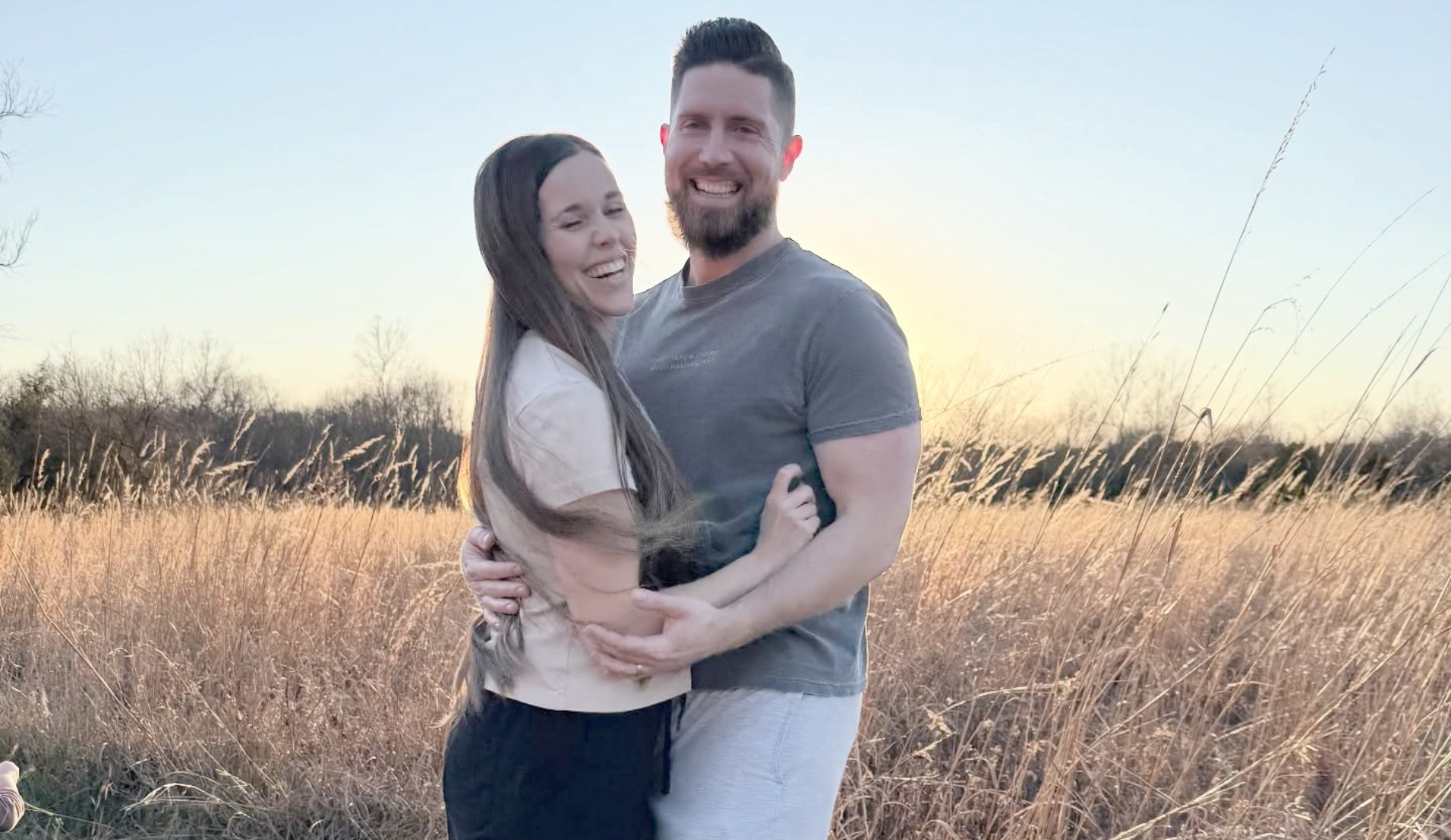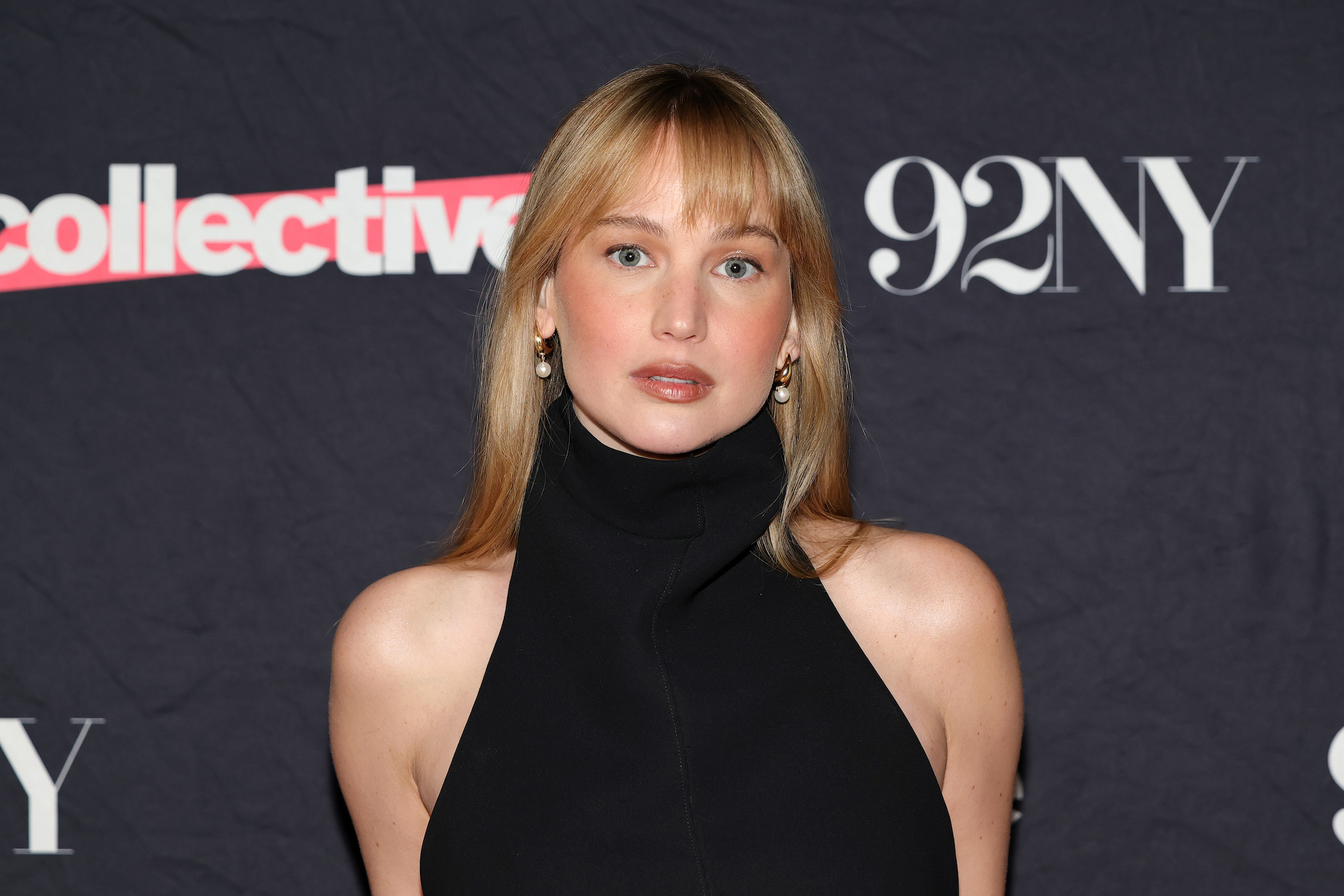
I recently read a story about popular mom-blogger Chrissy Horton’s TikTok video documenting the birth of her fifth child. In the video, she walked her followers through her birthing process, sharing details she did not know when she first gave birth. Needless to say, many of her followers were very grateful. I often say that when I gave birth many moons ago, the whole process was a mystery. I walked into the hospital with a belly, walked out with a baby, and I had no clue what happened in between.
So I could relate to Horton’s sentiment about being in the dark that first time around.
The perception of being dismissed when relaying health concerns may explain the poor birth outcomes for all demographics of Black women, including the high-earning and highly educated.
My personal history might lead one to think I would be less inclined to be concerned when it comes to childbirth: Just head to the hospital and let nature take its course. However, based on my training and experience as a certified doula, I can say with authority that there is a wide array of births that are more complex than my own. Coupled with health disparities that result in higher morbidity and mortality rates for Black women, the need to be informed is crucial.
Navigating maternal health care is challenging for everyone, even in the absence of stark bias. I often hear women say that they wished they had someone to guide them through the process. Women need education about the entire birthing process. And, ideally, before they go into labor, women should be informed about the various common interventions and alternative options.
|
The perception of being dismissed when relaying health concerns may explain the poor birth outcomes for all demographics of Black women, including the high-earning and highly educated.
My personal history might lead one to think I would be less inclined to be concerned when it comes to childbirth: Just head to the hospital and let nature take its course. However, based on my training and experience as a certified doula, I can say with authority that there is a wide array of births that are more complex than my own. Coupled with health disparities that result in higher morbidity and mortality rates for Black women, the need to be informed is crucial.
Navigating maternal health care is challenging for everyone, even in the absence of stark bias. I often hear women say that they wished they had someone to guide them through the process. Women need education about the entire birthing process. And, ideally, before they go into labor, women should be informed about the various common interventions and alternative options.
When I think back, I count myself lucky. I had a fantastic doctor who respected my wishes and did not push me in any way. However, I was confined to the bed with a fetal monitoring belt around my belly when I had no apparent risk factors, and my baby was doing well. As a doula, I am aware of the benefits of mobility during labor. Similarly, I was managing my contractions well, without complaint, so there was no need to offer an epidural. The episiotomy may or may not have been necessary. But there was no conversation about it. And, honestly, I lacked the tools to even weigh in.
As a doula, I learned the B.R.A.I.N. tool, which I share with my families to help with their decision-making. Ask what the problem or concern is and how this drug or procedure will help. Then ask questions to support your decision.
|
When I think back, I count myself lucky. I had a fantastic doctor who respected my wishes and did not push me in any way. However, I was confined to the bed with a fetal monitoring belt around my belly when I had no apparent risk factors, and my baby was doing well. As a doula, I am aware of the benefits of mobility during labor. Similarly, I was managing my contractions well, without complaint, so there was no need to offer an epidural. The episiotomy may or may not have been necessary. But there was no conversation about it. And, honestly, I lacked the tools to even weigh in.
As a doula, I learned the B.R.A.I.N. tool, which I share with my families to help with their decision-making. Ask what the problem or concern is and how this drug or procedure will help. Then ask questions to support your decision.
B- What are the benefits, what will this intervention do to address the concern?
R- What are the risks? What can go wrong and what are the side effects?
A- What are some alternative options?
I– Follow your intuition, what is your gut telling you to do?
N- "No" or "not now." Do you want to decline? Can you delay the decision?
The gratitude of the blogger's followers confirms my value as a doula. I have known for a while that I want to be a stand for women. They are the anchors of the family, and by extension, the community.
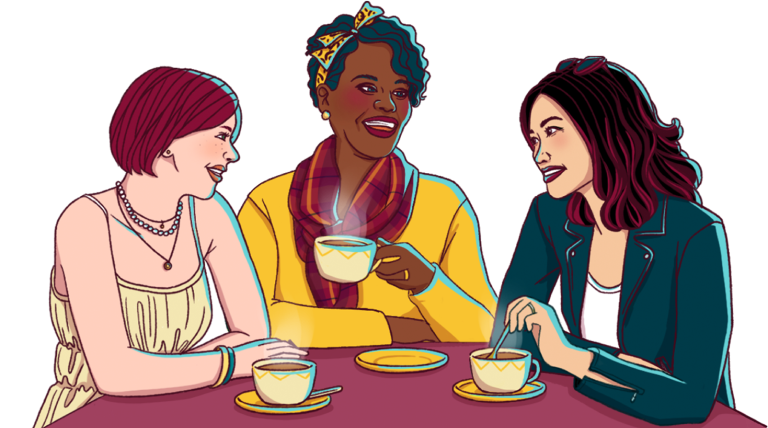
Doulas are not medical professionals. We do not give medical advice or tell families how they should proceed. Doulas provide pregnant women and their partners with emotional support, education, and referrals as needed. The information doulas provide can support families in having conversations with their care providers to make the best decisions about their health.
All certified doulas are educated about evidence-based best practices, but they come in many styles and personalities, with varying specialties. From holistic doulas who may focus on energy work, meditation, and healthful eating, to doulas who focus on the use of tools such as rebozos (a Mexican shawl that provides support and comfort to laboring women). Some doulas are no-nonsense while others are more easygoing.
Each pregnant person and the people they love should consider their circumstances and select the doula that best meets their needs. I lean into education, giving the mom-to-be and family a voice in the process. Timing is everything. My practice focuses on conveying valuable information and developing advocacy skills ahead of that trip to the hospital.
|
B- What are the benefits, what will this intervention do to address the concern?
R- What are the risks? What can go wrong and what are the side effects?
A- What are some alternative options?
I– Follow your intuition, what is your gut telling you to do?
N- "No" or "not now." Do you want to decline? Can you delay the decision?
The gratitude of the blogger's followers confirms my value as a doula. I have known for a while that I want to be a stand for women. They are the anchors of the family, and by extension, the community.
Doulas are not medical professionals. We do not give medical advice or tell families how they should proceed. Doulas provide pregnant women and their partners with emotional support, education, and referrals as needed. The information doulas provide can support families in having conversations with their care providers to make the best decisions about their health.
All certified doulas are educated about evidence-based best practices, but they come in many styles and personalities, with varying specialties. From holistic doulas who may focus on energy work, meditation, and healthful eating, to doulas who focus on the use of tools such as rebozos (a Mexican shawl that provides support and comfort to laboring women). Some doulas are no-nonsense while others are more easygoing.
Each pregnant person and the people they love should consider their circumstances and select the doula that best meets their needs. I lean into education, giving the mom-to-be and family a voice in the process. Timing is everything. My practice focuses on conveying valuable information and developing advocacy skills ahead of that trip to the hospital.