
“Developmental milestones” might seem more relevant for tots than for teens, and while you probably aren’t going to start keeping a baby book for your 14-year-old, there are still highlights to keep an eye out for as your kid moves through adolescence.
Teen friendships as support systems
How teens think
Twenty20
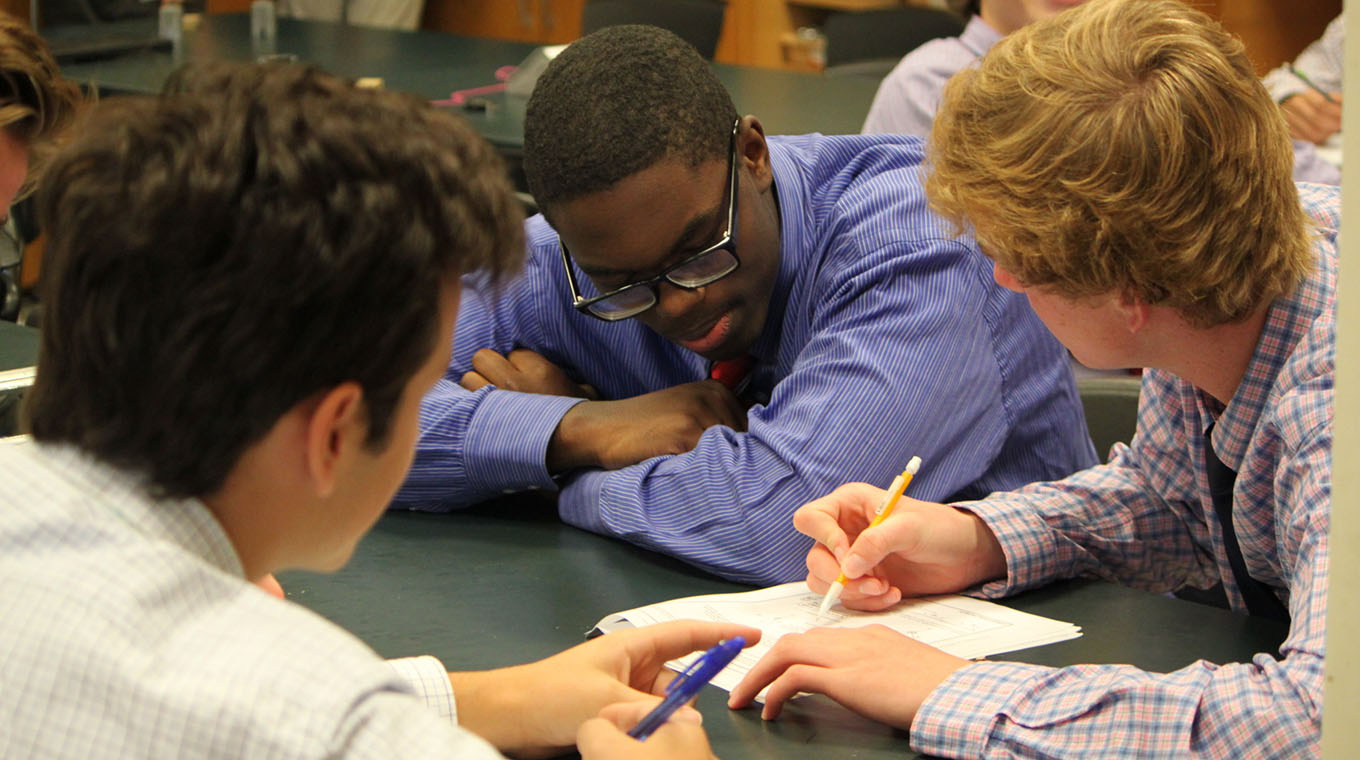
The teen years are when kids really develop the ability to think in a critical, nuanced manner. According to the American Academy of Pediatrics, early adolescents still tend to have very “black-and-white thinking,” but as they continue to grow, they become much more able to see the middle ground.
Similarly, as teens mature, they gain the ability to not only think about the future consequences of their actions, but also to actually apply this information to the choices they make in the present. In other words, “I want to go to a selective college” translates to “I should study for the test I have tomorrow, even though I’d rather hang out with my friends tonight.”
But be patient! This process doesn’t happen overnight, and chances are you’ll have to watch your kid choose their friends over their studies more times than you’d like, before they start regularly choosing the more prudent option. Do keep a close eye on your teen, though, as these challenges in thinking ahead can also lead some teens to make dangerous decisions.
Physical changes in teens

Twenty20
Rapid growth happens for kids throughout the teen years, though it continues later for boys than for girls. According to the Centers for Disease Control and Prevention, most girls complete puberty by their mid- to late teens, while boys continue their physical growth throughout this time. All of this development takes significant energy, and you’ll probably notice your teenager needing much more sleep and food than they did just a few years ago.
Your teen’s tendency to stay up later at night is biological, too. The so-called “sleep drive,” which accumulates throughout the day depending on the number of waking hours, takes longer to build up for teens than for adults.
“[Teens] don’t reach that critical level of sleepiness till a later time at night,” Dr. Daniel Buysse, a sleep medicine professor at the University of Pittsburgh Medical Center, told The New York Times.
Another byproduct of your teen’s rapid growth: They might suddenly seem to be a lot clumsier than they used to be. There probably isn’t much reason for concern, though. Just picture what it’d be like if you all of a sudden added a few inches to each of your arms and legs!