What to Know
Bryan Kohberger brutally murdered University of Idaho students Madison Mogen, Kaylee Goncalves, Xana Kernodle, and Ethan Chapin on November 13, 2022. Nearly four years later, a court unsealed documents related to Kohberger’s mental health.
In 2025, a doctor reportedly diagnosed Kohberger with Autism (Level 1), Obsessive Compulsive Disorder, Attention-Deficit/Hyperactivity Disorder, and Avoidant/Restrictive Food Intake Disorder. Until now, the court has revealed no other details about the “disorders.”
The newly unsealed neuropsychological evaluation gives more information about the four conditions and what led to the diagnoses. Rachel Lawson Orr, PsyD, ABPP-CN, conducted the evaluation during a three-month period and made some disturbing discoveries.
Kohberger’s defense team hired Orr.
According to court documents obtained by People, Kohberger’s defense team hired Orr as a mental health expert to conduct the testing. She reportedly met with the convicted killer six times during a three-month period for testing and conversations.
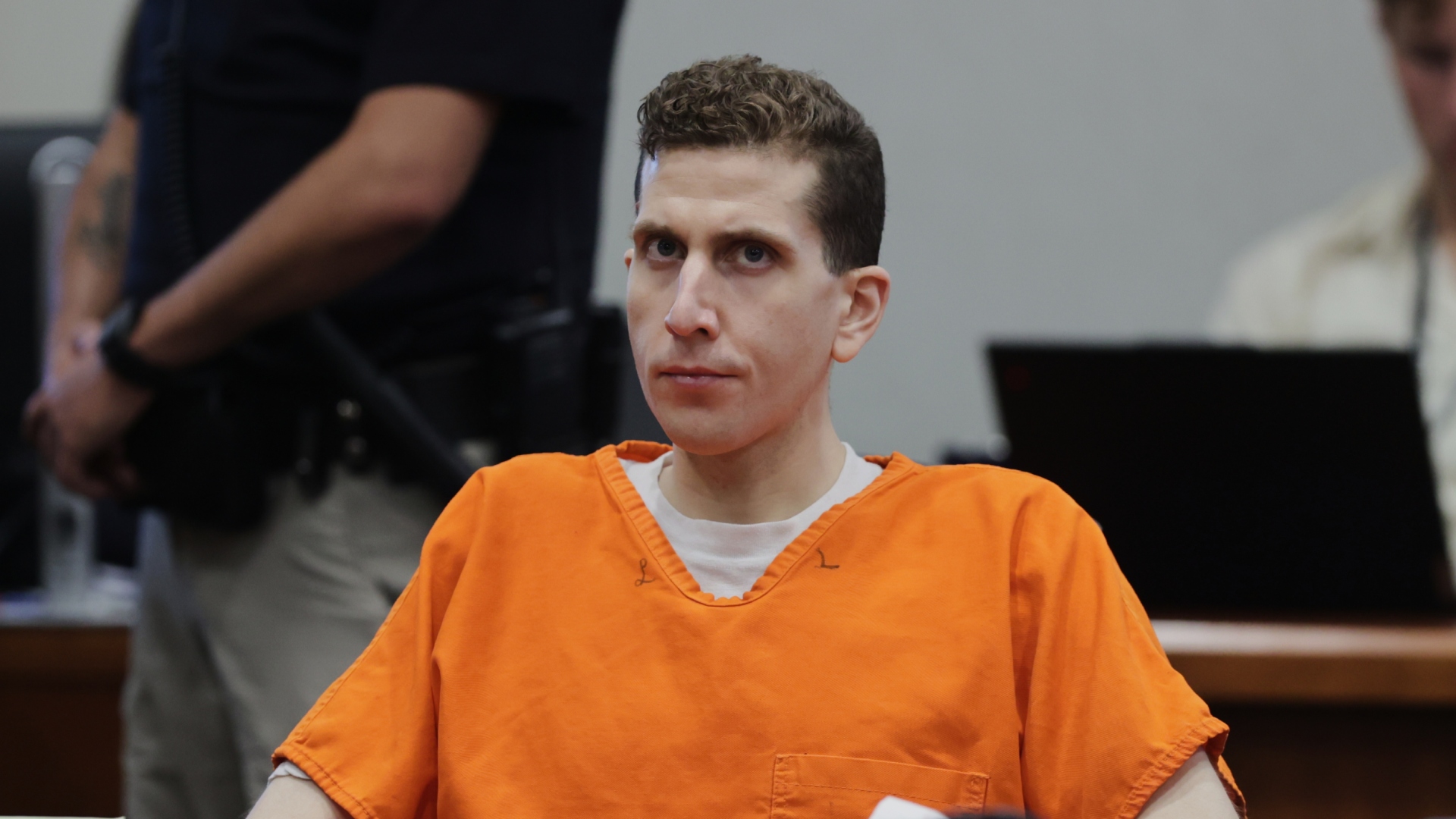
Orr noted early on in her report that Kohberger had unusual facial expressions and that his furled eyebrows during light conversation “contributed to awkward engagement.” Orr also found that Kohberger had a difficult time with social cues, including difficulty understanding humor and occasional intense gazes.
Kohberger’s family made similar observations.
Orr reported that Kohberger’s parents and two sisters made similar observations during her interviews with them. His family reportedly told Orr that Kohberger had “deficits in non-verbal communication” and “a limited range of facial expressions. He also evidently struggled with “coping with changes in routine.”
The family reportedly attempted to help Kohberger through the years with “extensive social coaching and provision of social feedback, to no avail,” Orr’s report noted.
Orr diagnosed Kohberger with multiple mental health disorders.
According to the report, Kohberger received diagnoses of Developmental Coordination Disorder, an unspecified depressive disorder, anorexia nervosa, and Opioid Use Disorder earlier in life, before meeting Orr.
After testing, she added Autism, OCD, ADHD, and ARFID. He did not attempt to use his mental health diagnoses as part of his defense in the murders of Mogen, Goncalves, Kernodle, or Chapin.
Kohberger filed an appeal in 2026.
Kohberger eventually pleaded guilty in 2025 to the murders just before his trial was scheduled to begin. Though a judge sentenced him to life in prison without the possibility of appeal or parole, he filed a handwritten appeal for a new attorney, claiming his attorney misled him.
“Petitioner was convinced that actual guilt was not an important factor in considering plea acceptance: death row was imminent, and advised to lie, petitioner was to gain a ‘legal victory’ in entering a false plea,” Kohberger wrote in the petition obtained by USA Today.
Per the Idaho Statesman, Gregory R. Rauch, of The Law Office of Magyar, Rauch & Thie, PLLC, was assigned to take on Kohberger’s case.
“Greg Rauch concentrates his practice primarily geared toward litigation inside the courtroom. His varied litigation experience includes over 20 jury and bench trials, plus numerous hearings on preliminary motions and injunctions in both state and federal courts. Greg also assists clients in investigating and responding to matters before administrative agencies,” according to the bio on the firm’s website.
READ NEXT: Chilling New Theory Explains Why Bryan Kohberger Chose That House