Babies are so sweet and cute that it’s hard to not want to smother them with kisses. But could all that affection actually be dangerous for a baby? While we know that lots of viruses can be shared through close contact, especially if you end up sharing saliva, can babies actually get “the kissing disease,” otherwise known as mononucleosis or mono? The answer is yes, but there may be some surprisingly good news about the risks of mono for babies and toddlers. Read on for the full scoop on babies and the kissing disease.
What is mono?
Mono and young children
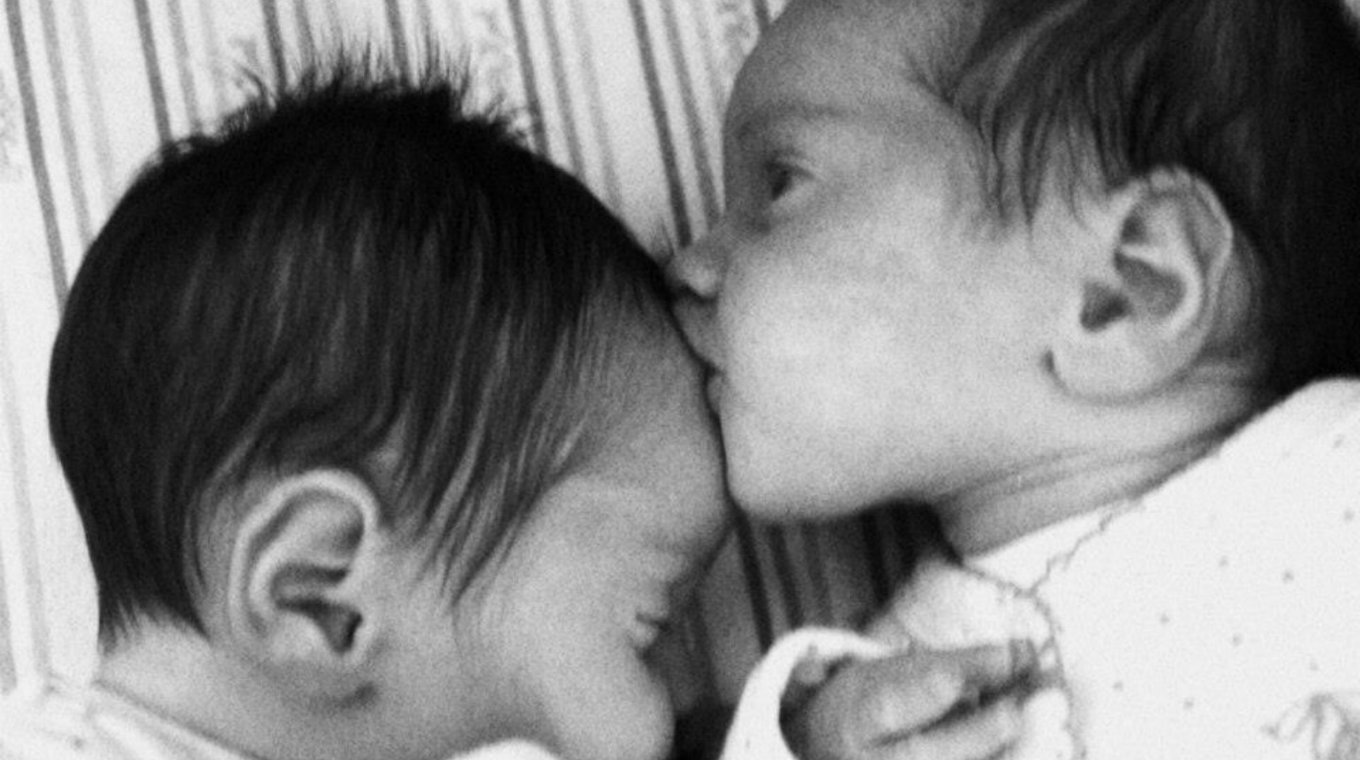
The good news about mono and babies is that while babies can catch it, they seem to have cases that are much milder. According to Dr. Eric Morley, a pediatrician with the Memorial Care Group, babies can catch mono as it “is transmitted through saliva, so if someone with the virus kisses a baby on the mouth, or shares spoons, forks, cups — or anything else their lips have touched — with a baby, then the virus can be spread. While babies can have sore throat, fever, and swollen glands, just like teenagers, in general their symptoms tend to be much less severe and look more like the flu. They may even have no noticeable symptoms at all.”
If your baby does have mono, the best treatment is rest, fluids, and treatment of symptoms as advised by your doctor.
Some young children may have mono without it being detected, which is actually great news, as it means they will be unlikely to contract mono later in life, when symptoms might be more severe.
Ways to prevent mono
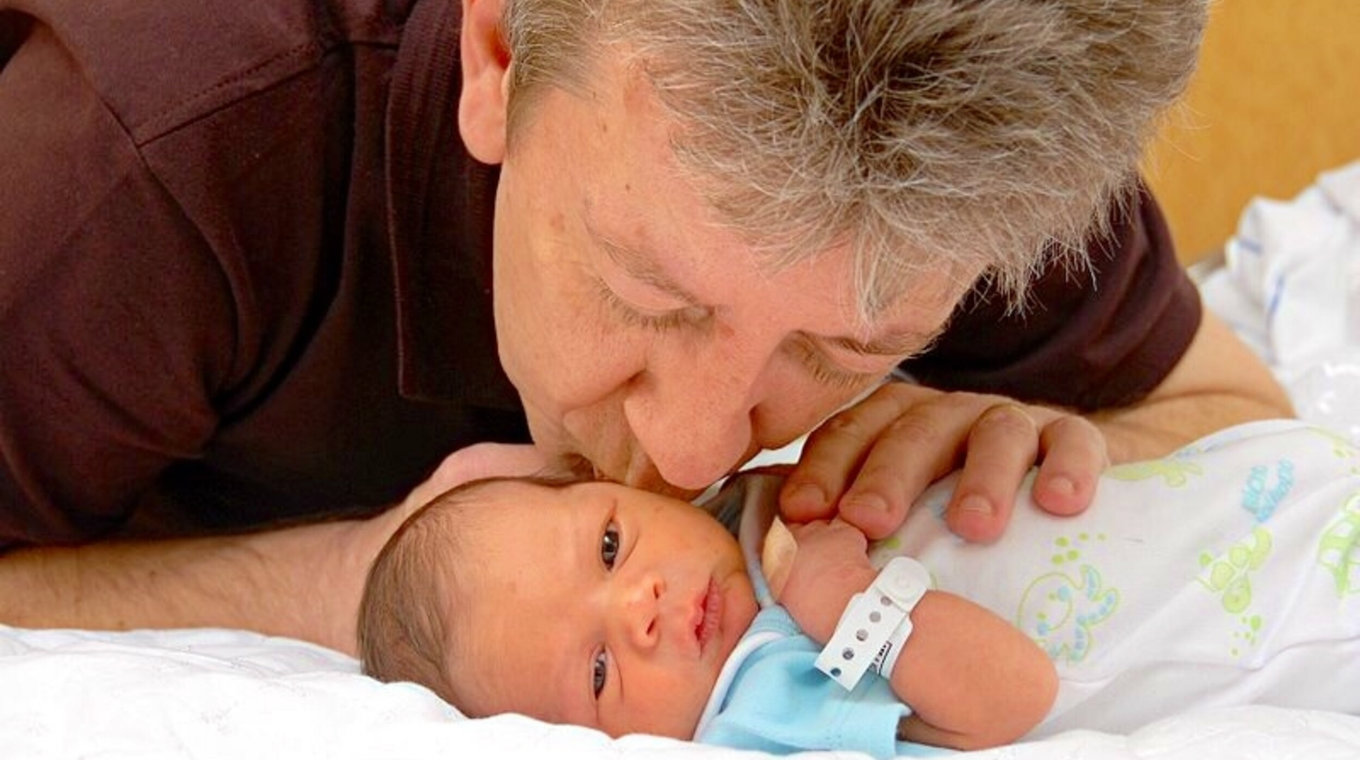
Researchers aren’t totally sure how long someone with mono is contagious. It can take four to six weeks from first exposure to the onset of mono symptoms. The best way to prevent mono is to practice good cleaning habits if someone with any illness symptoms comes into your home, and to try to prevent your baby from sharing saliva though toys, pacifiers — and yes, kissing. Short of putting baby into a bubble, it may not be possible to prevent exposure, but at least the odds are good that their case will be mild if it happens.