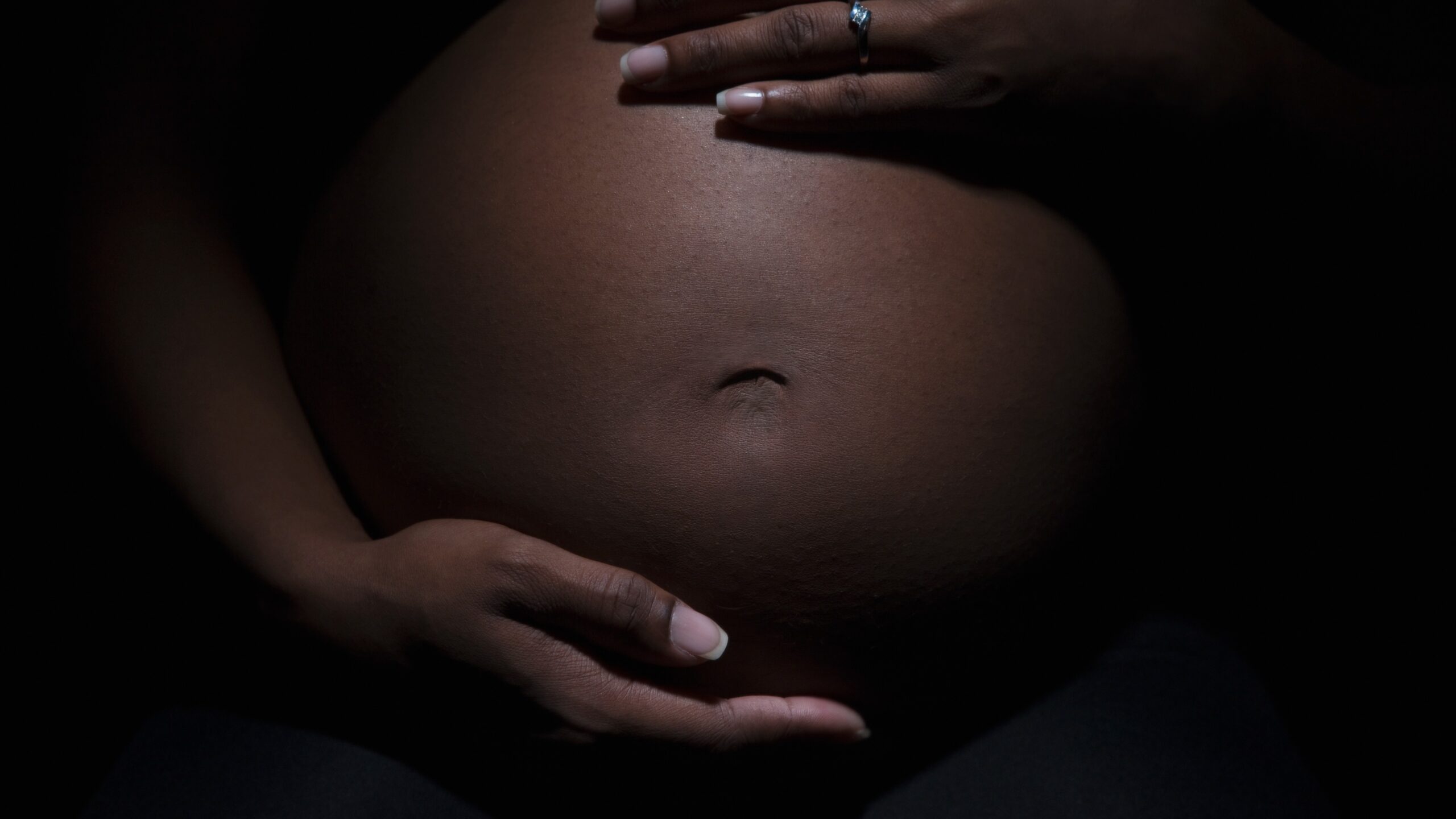
When we talk about maternal health for Black women, there is a group that often gets left out of the conversation: those who are incarcerated. We may not think about incarcerated women when we’re talking about birthing people, but they deserve to be included in conversations about maternal health. Most of the time, incarcerated birthing women are giving birth in subpar situations, and only have access to the most basic of prenatal care, which absolutely contributes to the outcomes of their births.
According to a 2023 report from The Sentencing Project, the number of incarcerated women has risen by 525% between 1980 and 2021, from 26,326 to 168,449. Black women are imprisoned at a 1.6 higher rate than white women (62 per 100,000 versus 38 per 100,000), even though the rate of imprisonment for Black women has decreased 70% between 2000 and 2021.
Each year, there are almost 58,000 pregnant people entering the prison system, and a disproportionate amount of them are women of color, especially Black women. Data from the Bureau of Justice Statistics shows that the majority of women under the age of 45 who end up in prison are mothers who are usually the primary caregivers to young children.
Some lawmakers are trying to change things
It feels like incarcerated Black mothers, and all incarcerated birthing people, are being ignored, but there are people fighting for their rights, including in the federal government.
Massachusetts Congresswoman Ayanna Pressley, who is a founding member of the Black Maternal Health Caucus, reintroduced her Justice for Incarcerated Moms Act in May 2023. The aim of the act is to improve not only maternal healthcare but also support for incarcerated pregnant people. This particular piece of legislation was reintroduced as a part of the Black Maternal Health Momnibus Package, which is a set of 12 bills aimed at addressing the Black maternal health crisis.
“Everyone deserves the resources and care necessary to support their pregnancy and postpartum recovery, including those behind the wall,” Rep. Pressley said in a press release. “Our bill would create the systems necessary to protect the dignity and humanity of incarcerated pregnant people and enlists them as partners in our fight for justice and equity. I thank Congresswomen Underwood and Adams for their ongoing partnership and once again including the Justice for Incarcerated Moms Act in this year’s Momnibus package, and look forward to continuing our work to affirm maternal health justice for all.”
The Justice for Incarcerated Moms Act could really change the game
The Justice for Incarcerated Moms Act, which was first introduced in 2021, would specifically address several key issues. One major thing it would do is create the first-ever comprehensive study to learn more about the maternal health crisis affecting incarcerated pregnant people. It would also provide funding to create maternal health programs in prisons and jails from the federal to the local level, allowing incarcerated pregnant people access to doulas, healthy food and nutrition, mental health and substance use counseling, and strengthening visitation policies. Additionally, it would provide funding to create programs that would act as an alternative to incarcerating pregnant people. Lastly, it would encourage prisons and jails to stop shackling incarcerated pregnant people by connecting federal funding eligibility to states who enact anti-shackling laws.
Shackling pregnant, birthing, or postpartum people has been one of the biggest parts of legislation surrounding pregnant incarcerated people. At the time of the creation of the Justice for Incarcerated Moms Act in 2021, 35 out of 50 states, plus the District of Columbia, had created anti-shackling laws. Illinois was the first state to introduce an anti-shackling statute in 2000, and California followed in 2006. This is good, but there’s still work to be done. Not only do 15 states still allow the practice, but even states with anti-shackling rules on the books illegally restrain pregnant incarcerated people for a variety of reasons.
However, these laws have opened the door for other positive changes and rules when it comes to handling pregnant incarcerated people. States like Minnesota and Oklahoma now require that pregnant inmates have access to doulas. And in 2018, California passed a law that requires county jails to facilitate access to lactation, like directly breastfeeding their babies or being given the opportunity to pump breastmilk. In 2021, Minnesota passed the Healthy Start Act, a bill that will allow the Commissioner of Corrections to redirect pregnant and postpartum people sentenced to prison into community-based alternatives for up to 12 months, which gives their babies the best chance at life.
Things could really change for the better
There is still a long way to go to make pregnancy, birth, and postpartum equitable for incarcerated Black moms, but it’s good to know that there are people out there willing to fight for them. All birthing parents deserve to have the healthiest and safest experiences, regardless of circumstances.