Pregnancy is hard — even the "easiest" pregnancies are challenging. It's a huge change, both physically and emotionally, and expecting parents have a lot of preparation to do. Luckily, there are so many things you can do to prepare your body and mind for becoming a parent. From reading pregnancy books to taking childbirth classes to hiring doulas to trying prenatal yoga, there are options for everyone.
Earlier this year, I gave birth to a beautiful baby girl. My pregnancy was relatively uncomplicated, but toward the end of my pregnancy, I was dealing with a lot of aches and pains, as well as anxiety about becoming a parent.
I had always been interested in trying acupuncture, so at 36 weeks pregnant I decided to go to my first appointment. I knew acupuncture could help with some of my pregnancy symptoms, and a few of my friends said they had great experiences with prenatal acupuncture.
I booked a session with Dr. Sarah Biffen, who also offered cupping. Before my appointment, I spoke with her about the benefits of prenatal acupuncture and prenatal cupping.

Here's the conversation we had.
Mom.com: How can acupuncture and cupping be beneficial during pregnancy?
Mom.com: Who should get acupuncture/cupping while pregnant?
Dr. Sarah Biffen: Acupuncture and cupping are generally safe for most women throughout pregnancy when performed by a licensed and experienced practitioner. However, it's important to avoid certain points and techniques that studies (and tradition) suggest may promote labor prematurely or cause discomfort. We are also very aware of conditions such as high blood pressure, polyhydramnios, breech presentation, sciatica, and certain resting positions that are just plain uncomfortable for pregnant folks. We are happy to work alongside your care team to ensure the safest possible treatment strategies.
For the most part though, women experiencing specific symptoms like nausea, back pain, insomnia, or anxiety, or those looking to support overall pregnancy health, may particularly benefit from both treatment approaches.
Mom.com: Can acupuncture help with labor and delivery?
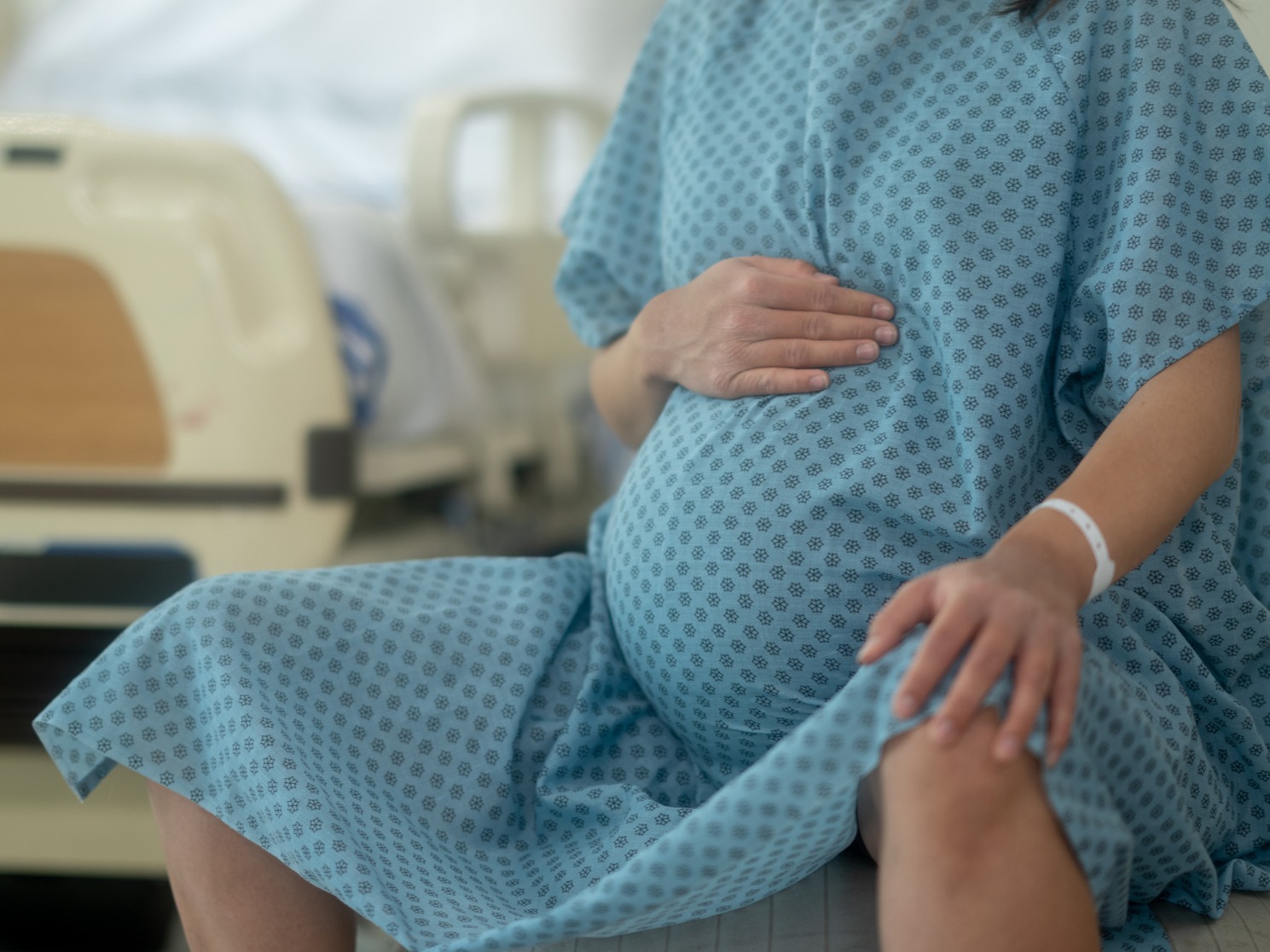
Dr. Sarah Biffen: Yes, acupuncture can be beneficial in preparing for labor and delivery, and is most often used in the following ways:
- Reducing pain and the need for pain medications
- Encouraging cervical ripening and dilation
- Decreasing labor duration
- Promoting relaxation and reducing stress
- Enhancing uterine contractions and efficiency
Specific points can be used to help encourage a timely labor process, but no matter what, it’s never a one-size-fits-all strategy!
Mom.com: Is acupuncture also beneficial for postpartum recovery?
Dr. Sarah Biffen: Definitely! Although with new parents it can understandably be difficult to pull themselves away from the home front, working with acupuncture and Chinese medicine during this time can be so beneficial for healing. We’ll frequently work with home visit care in these circumstances if folks aren’t able to come in to the office.
If you’re able to arrange for treatment during the initial postpartum recovery process, we’re very often focusing on:
- Reducing postpartum pain and discomfort
- Helping with hormonal balance and mood regulation, in hopes of addressing postpartum depression and anxiety
- Supporting lactation and managing breastfeeding issues like mastitis
- Boosting energy levels and combating fatigue
- Helping the body recover from childbirth by improving circulation and promoting tissue healing
The postpartum period is also an excellent time to incorporate breastfeeding, safe herbal medicine, supplementary treatment, and dietary therapy.
Mom.com: For people who are afraid of needles, can acupressure be a good alternative?
Yes! Acupressure can be an excellent alternative for those who are needle-averse. Acupressure involves applying pressure to specific points on the body using fingers, palms, or special tools. It can provide similar benefits to acupuncture, such as pain relief, stress reduction, and alleviation of pregnancy-related symptoms. Acupressure can be easily taught and practiced at home, making it a convenient option for ongoing self-care during pregnancy and postpartum.
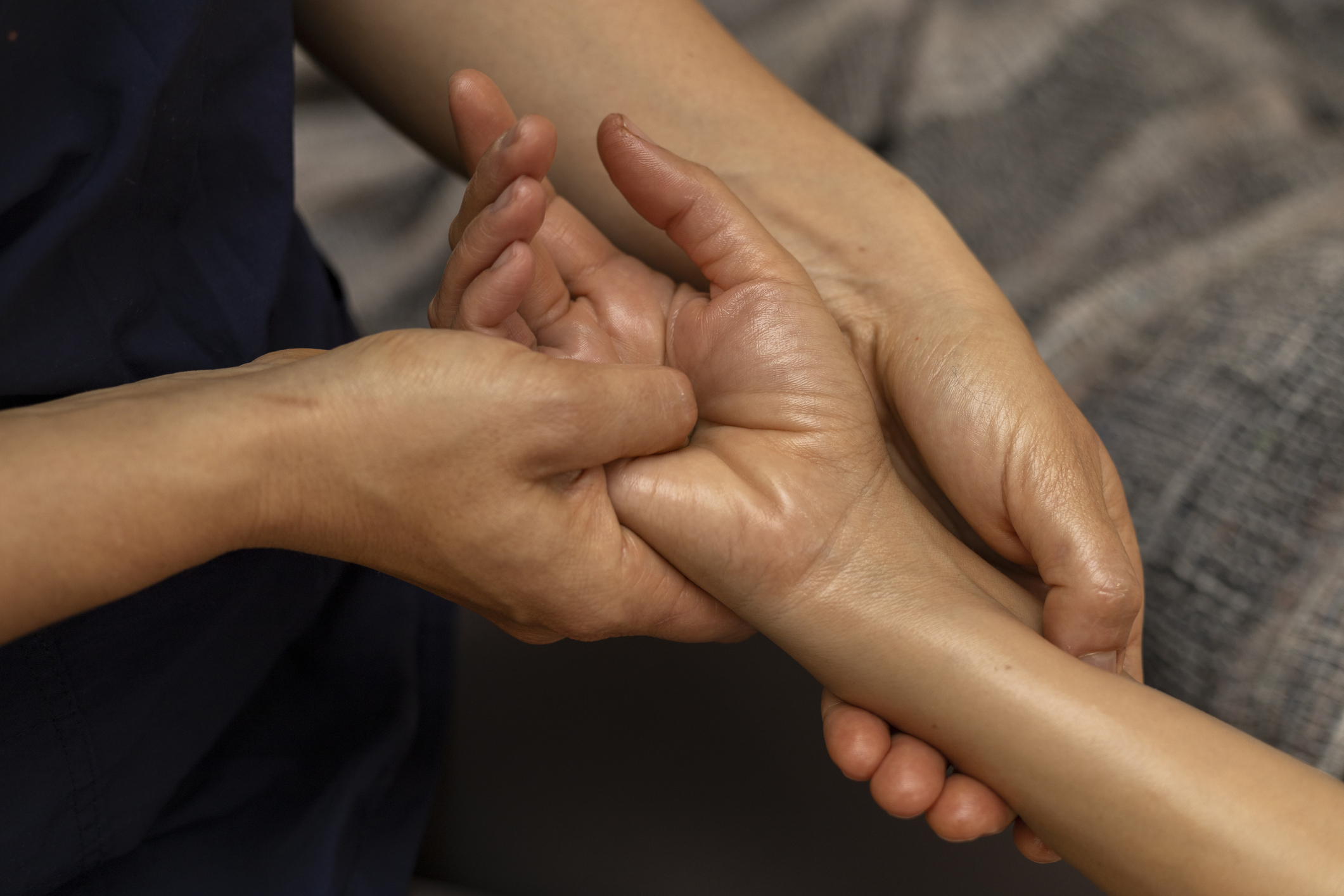
Additionally, ear seeds can be used as a form of acupressure — and I love using these in clinic! These are small seeds or beads that are placed on specific acu points on the ear (also known as auricular acupuncture points) and held in place with adhesive tape. Ear seeds can be effective in addressing various pregnancy-related issues such as nausea, anxiety, and pain. They provide continuous stimulation to the points and offer a non-invasive, convenient option for those that are uncomfortable with needles.
If folks are more needle averse they’re still totally welcome to chat with us about the benefits of acupressure and ear seeds. We coach people how to properly employ these techniques every day, and love to think of it as an at-home treatment strategy.
MY EXPERIENCE
When I arrived at the office, it immediately felt very serene. The room was comfortable and warm, with a massage table, a couch, and a desk. The floor-to-ceiling windows offered a stunning view. I sat down on the couch, and Sarah asked me about what I was hoping to get out of my acupuncture and cupping session. I explained some of my symptoms — hip and pelvic pain, insomnia, and anxiety — and Sarah told me how she thought acupuncture would be able to help.
Acupuncture can help induce labor, so many people seek support as they approach the end of their pregnancies. Because I was only 36 weeks pregnant, Sarah didn't want to do any sort of labor-inducing acupuncture or cupping. Instead, she wanted to focus on easing my symptoms and helping me relax.