You’re 1 week pregnant!
Your ultrasound
Typically, at 1 week pregnant, you would not get an ultrasound because ultrasounds don’t usually start until week 8 or 9. However, if you have been trying to conceive and seeing a fertility specialist, your doctor may conduct an ultrasound to check for fibroids, to see if your uterine lining is thick enough for possible implantation, or to check the number of follicles in your ovaries (which would grow into eggs). If the specialist finds anything concerning, they may suggest different fertility treatments.
Your pregnant belly at 1 week
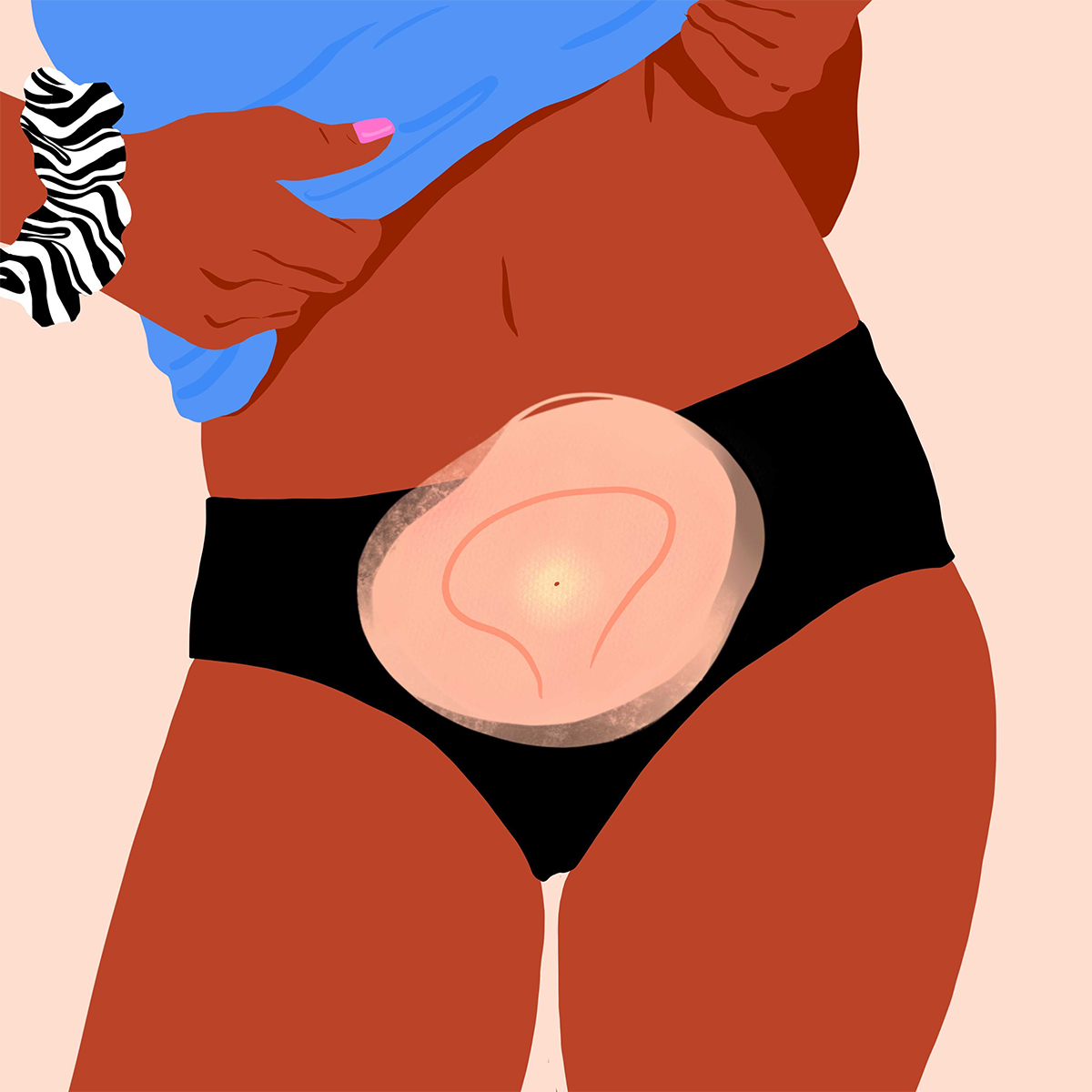
Remember, you’re not actually pregnant, so at one week pregnant, your “belly” is probably shedding its uterine lining and forming a new one in preparation of another round of menstruation and getting ready to ovulate.
Pregnancy tips at 1 week
Your most fertile time is during ovulation — but don’t worry if you don’t conceive after your first month of trying. “About 15% to 20% of women will conceive that first month; with 50% of women conceiving by 6 months of trying,” ob-gyn Dr. Mary Jane Minkin told Mom.com.
Generally, people with uteruses ovulate approximately 14 days before the estimated date of their next period, so if you have a 28-day menstrual cycle, the first day of your period is day one and you’ll likely ovulate around day 14 or 15. If your cycle is longer or shorter than 28 days, adjust the ovulation date accordingly.
Regardless of how many days your cycle is, you may want to consider tracking your body’s physical changes (e.g., changes in cervical mucus or basal body temperature) or using an ovulation kit, a calendar, or apps like Period Tracker Period Calendar or Flo Period & Ovulation Tracker.
Your pregnancy checklist at 1 week
This week, you can start preparing your body for pregnancy by doing the following:
- Stop smoking, drinking alcohol, and/or taking drugs
- Stop (or significantly cut down) consuming excessive caffeine (e.g., more than five cups of caffeine a day)
- Check with your medical professional to see if any of your medications or supplements are safe to use during pregnancy or if they may hinder conception
- Consult with your doctor to see if you should get any vaccines, such as for the flu, COVID-19, or whooping cough (T-dap) to protect yourself and your baby
What are you eating for you and your baby?
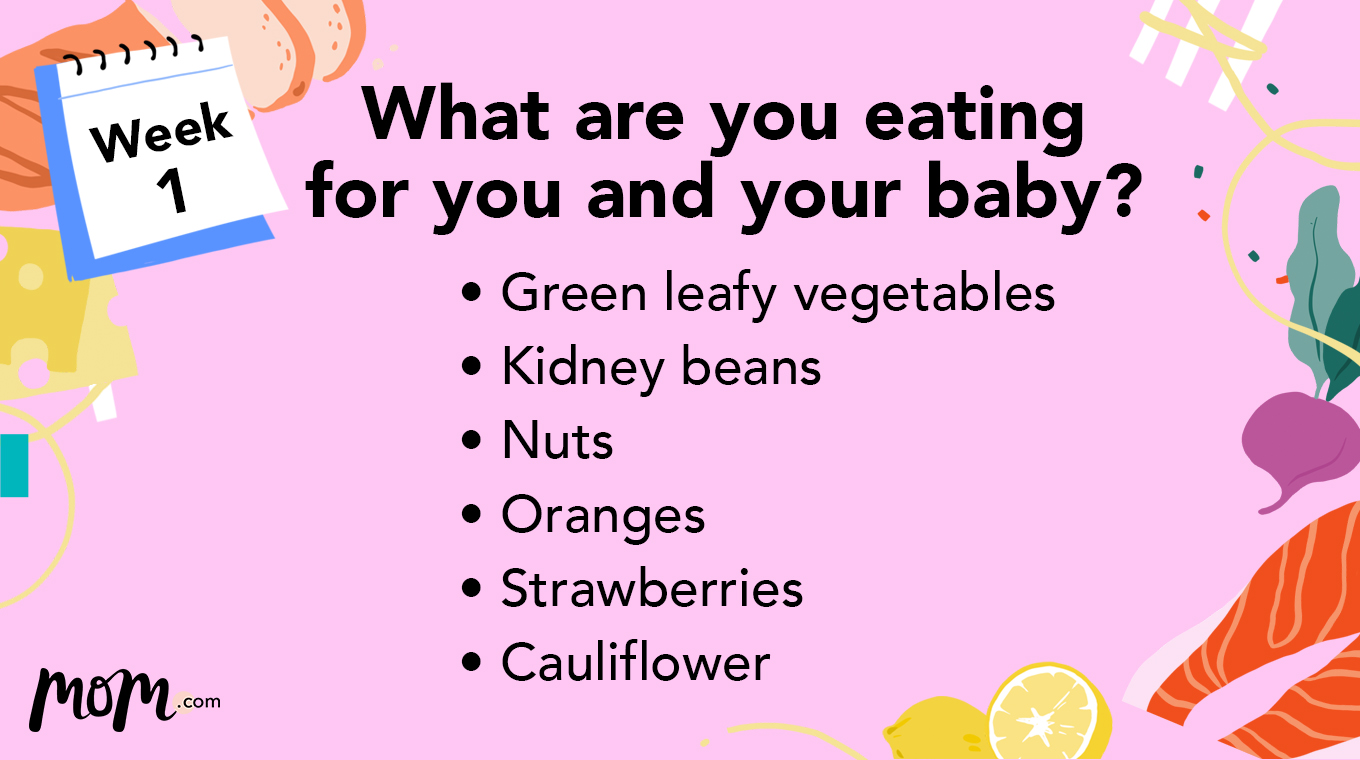
Your body will need all sorts of nutrients when you are literally growing a fetus, so make sure you eat healthily and add supplements for the nutrients you lack. If you haven’t started prenatal vitamins, now’s the time! Ask your provider about the right supplement for you, and make sure it contains folic acid, a B vitamin that is critical for a healthy central nervous system and brain development. If you prefer to eat your vitamins in the form of food, here are some foods that are rich in folic acid:
- Green leafy vegetables
- Kidney beans
- Nuts
- Oranges
- Strawberries
- Cauliflower
You may also want to get into the habit of upping your fiber consumption. All those hormones we mentioned before can really mess with your digestive system, and constipation is never pleasant — let alone when you’re carrying a baby inside your uterus.
When to call your doctor
The most common reason for which pregnant women call their doctors is bleeding, with a third of pregnant people experiencing some bleeding during the first three months of pregnancy. If that happens, please call your medical professional to determine whether the bleeding is something of concern. In general, about half of the time it ends in miscarriage, and the other half of the time there’s no “bad” reason and the pregnancy proceeds as normal.
According to the Centers for Disease Control and Prevention (CDC), pregnant women are at a higher risk of severe illness from COVID-19 and death compared to non-pregnant women. Furthermore, pregnant people with COVID-19 are at increased risk of delivering a baby before 37 weeks (preterm birth) and other adverse ramifications.
Note: If you are visiting a medical professional during COVID, make sure to ask about the facility’s safety measures and confirm that they are following COVID protocols as indicated by the CDC.