From their first steps to learning to drive, growing up is full of developmental milestones. Of course, every child is unique and experiences growth in different ways, but in a general sense, these childhood milestones are useful averages against which you can measure your child’s progress. (Do your best not to over-compare, though, as that’s not useful for anyone and will definitely drive you mad.) Here’s a rough outline of what you can expect when your little one is 2 years old.
Language
Behavioral
The terrible twos are a thing for a reason. Tantrums aren’t uncommon when your child is this age, for a variety of reasons. Because of her newfound independence, she’s starting to test boundaries. And, though her language skills are getting better, they’re still not strong enough to truly articulate the way she feels — and that can get frustrating! Keeping a consistent routine helps your child know what to expect, and is one good way to minimize toddler meltdowns. On the bright side, children of this age are generally affectionate, and are starting to learn to show their love to you with cuddles, kisses, and hugs.
Physical

Twenty20
By the time children are around 2 years old, most are able to jump up and down with both feet, climb stairs using the railing, scribble with a pencil, feed herself somewhat successfully, and create towers of around ten blocks. The best way to encourage development in this area is simple: play! Experimenting with his body and watching other kids do the same will help him learn and practice the different ways in which he can move. Self-care activities like getting dressed also start to happen at this age.
Social
Parallel play, which is when two children play alongside each other, is common at this age. They’re starting to learn to play together, though, so exposing your little one to other kids is important. Just know that sharing skills aren’t quite developed yet, so they may need a bit of help navigating how to take turns. Playgroups that focus on music, dance, or other semi-organized activities are a good way to encourage appropriate social interaction. Kids around the age of 2 are also able to imitate others in both action and language, so be careful what you do in front of them!
Education
Little baby steps that happen around age 2 include learning colors, naming basic objects (apples, houses, trees) in pictures, pointing out simple body parts, and sorting items into categories. Making art with crayons, markers, and watercolors on blank pages is a good way to encourage creativity.
Eating
Twenty20
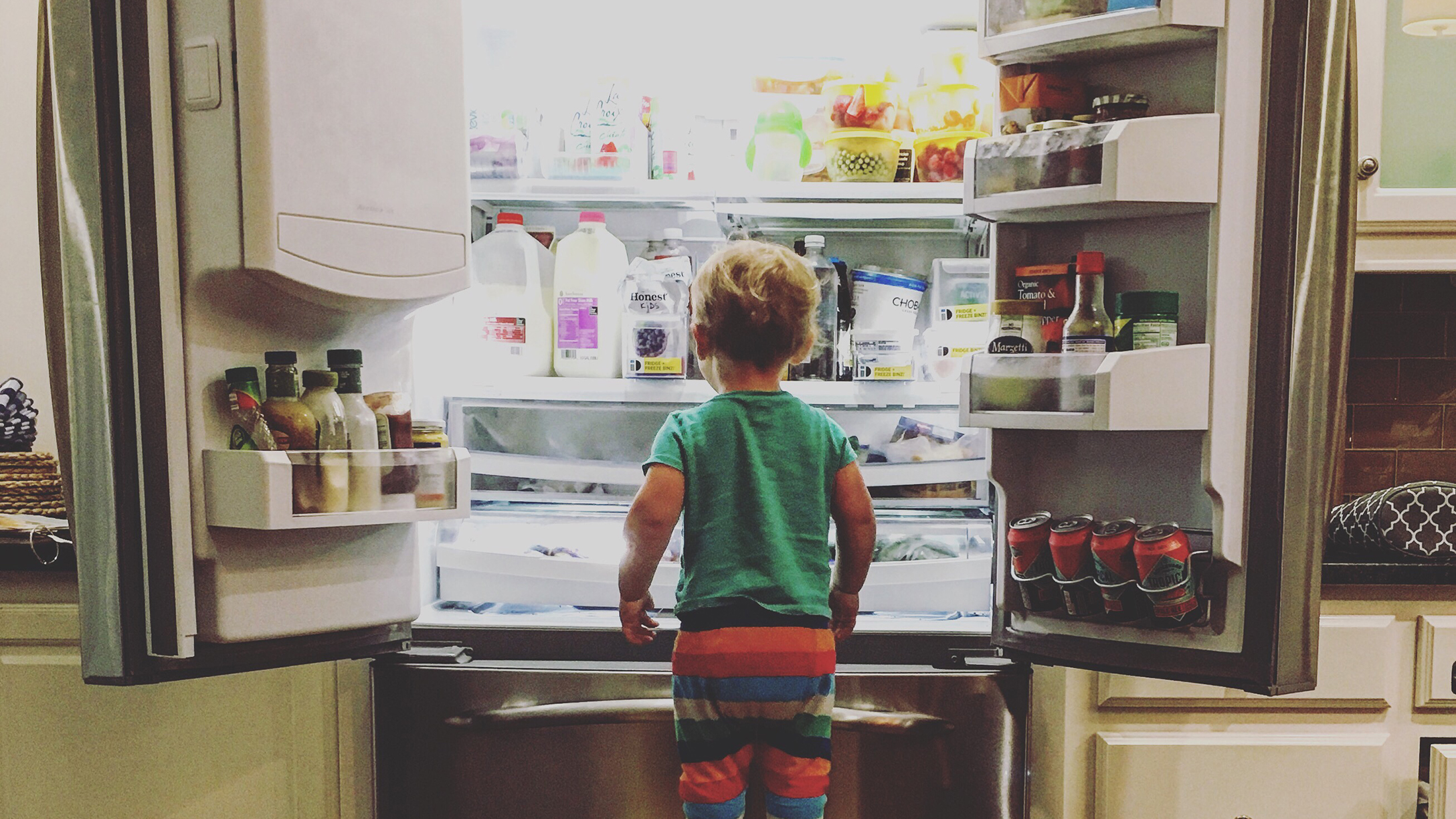
One not-so-exciting milestone that many parents notice around this age is the emergence of picky eating. Unfamiliar foods can spark fear and avoidance. If this is the case for your little one, don’t panic – and resist the urge to get in a battle over it. Just continue providing your child with a variety of nutritious options, and when your child is ready, he will eat.
Sleep
At age 2, you might see your child starting to try to climb out of their crib. It’s best to wait to move toddlers into a big-kid bed until age 2 1/2, or when they’re able to understand when they should (and shouldn’t) be getting out of bed. Until that’s the case, keep your little one safe by putting the crib mattress as low as possible, and taking big stuffed animals or other toys they could climb onto out of the crib.