It’s never fun to have a sick toddler, but it is especially unpleasant when diarrhea is involved. Not only do you have to worry about the cleanup after yet another diaper or potty explosion, there is a real risk of dehydration and even weight loss. Making sure your toddler with diarrhea has tummy-friendly things to eat and drink is an important part of helping them recover.
What causes diarrhea in toddlers
In addition to bland food, foods that are high in fiber may also help. This could include dry cereal, potatoes, or low-sugar yogurts. Yogurt with probiotics may also be a good choice for healthy toddler tummies. Another choice is a mild soup or broth for a child who isn’t quite ready for a full meal. Chicken noodle soup is a classic for a reason!
Foods to avoid for toddlers with diarrhea
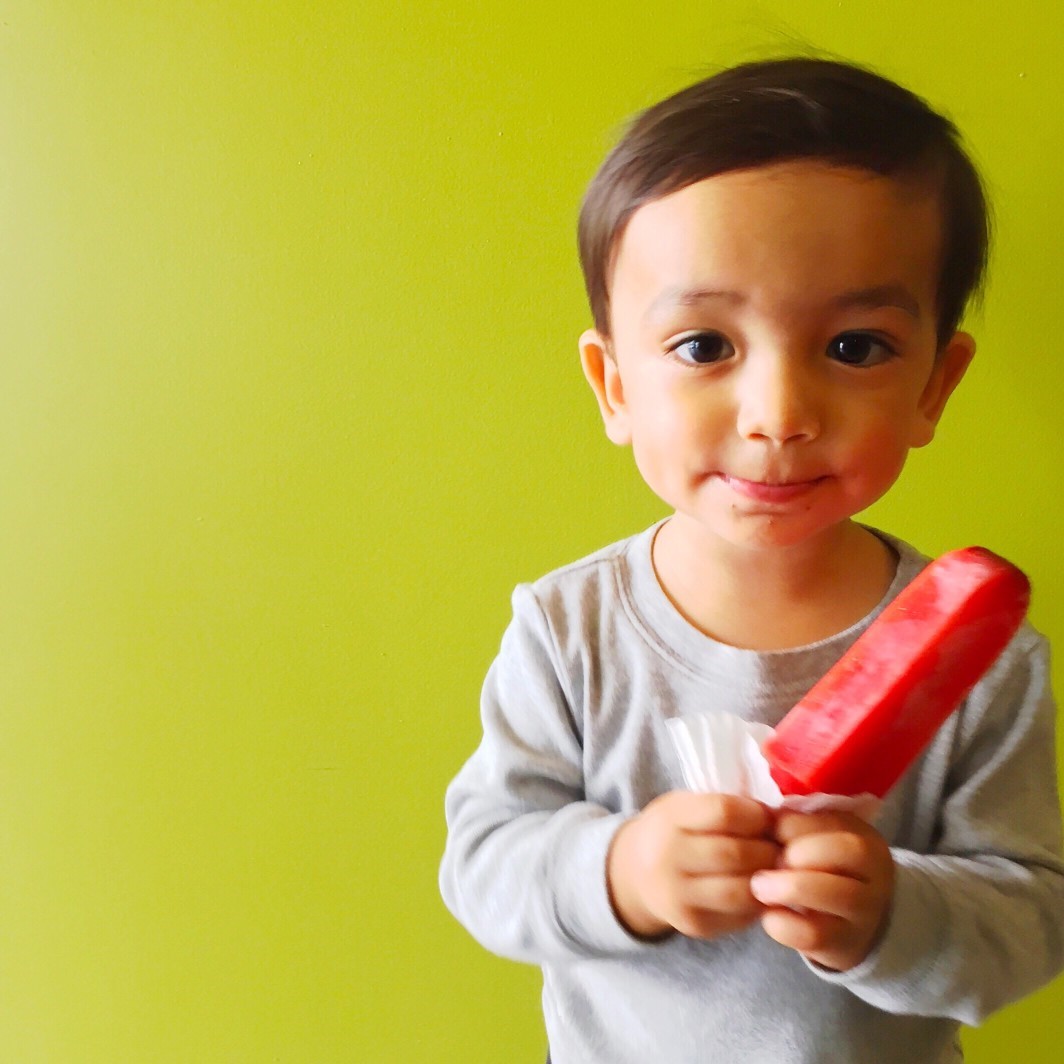
There are some normally healthy food choices that may cause more harm than good as your toddler recovers from diarrhea. You’ll want to avoid milk, juice, dried fruits, and multiple servings of fruit. Now is not the time for prunes or other foods known for getting the digestive system moving! Some children may be more sensitive to dairy than others, so stick to popsicles instead of ice cream for a treat until things are back to normal.
The importance of fluids
In addition to food, making sure to encourage your toddler to drink regularly. Dr. Lewis notes that fluids are just as important as foods while your toddler has diarrhea, stating, “The best treatment for diarrhea is to have your toddler drink plenty of fluids. Drink fluids at least once an hour, and also drink after each episode of diarrhea. Water is the best fluid to rehydrate. For toddlers who aren't eating at all or refusing water, give a mixture of half Gatorade, half water. Pedialyte or electrolyte solutions specifically made for children are OK to drink, but many toddlers refuse to drink them.”
When to talk to a doctor

Most cases of toddler diarrhea clear up in a day or two, so you’ll want to reach out to your doctor if your child has had loose stools for more than two days. Other signs that it’s time to call the doctor are bloody in the stool, no urine for more than six hours, or if your toddler has a persistent fever.