Three Wins
Buy Experiences
They say that money can't buy happiness. And that may be true for the most part. But according to a study out of San Francisco State University, people are actually happier when they spend their money on experiences rather than things since experiences often lead to a deeper closeness between those who share them. So instead of buying a new handbag, book a family vacation to a place you've never been, buy tickets to a concert you've wanted to go to for years or take a class you've always wanted to try.
Written Gratitude
With the start of a new year, it's tempting to fixate on everything we don't have and want—whether it's returning to your pre-baby weight or not having that dream job. Though setting resolutions to attain whatever it is you want are certainly fine to have, it's equally important to acknowledge what you do have at this present moment. This can be especially vital in strengthening your relationships. According to a study conducted by the University of Pennsylvania, participants who wrote a letter of gratitude to someone showed a surge in their "happiness scores," with benefits that lasted for a month. Think of twelve people you'd like to thank (yourself included!) and pick one to write a note to each month.
Surrounded by Happiness
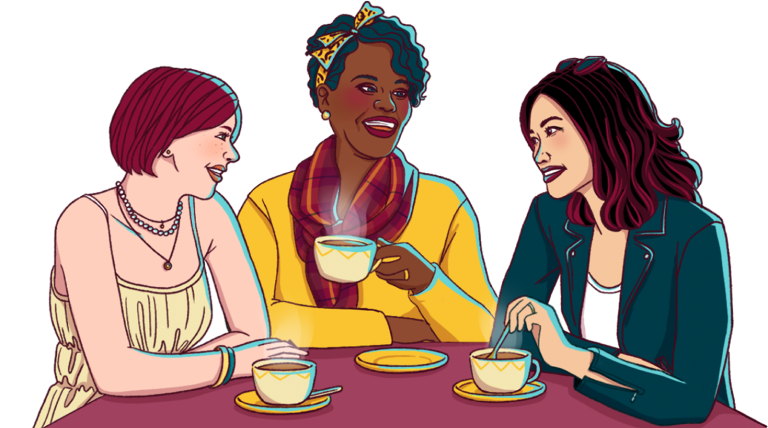
When you choose to have happy, charismatic people in your social circle, you can't help but feel invigorated by their energy. In a recent study that focused on teens' mental health, having happy friends cut the participants' chances of developing depression within the next 12 months by 50 percent. Meanwhile, if they were already experiencing depression, having happy friends doubled their chances of recovery within 12 months. Do an inventory of the people you spend the majority of your time with and the topics of your conversations. Do they gravitate toward gossiping and complaining? Or do they give reassurance and encouragement? Spend more time with upbeat people this year and see how it affects your emotional well being.
Tidy Up
Cleaning out clutter can have as profound of an effect on our mental state as it can on our closets. If there's one motto to have when tackling this task, consider the premise of Marie Kondo's "The Life-Changing Magic of Tidying Up: The Japanese Art of Decluttering and Organizing" and only keep what brings you joy. She suggests cleaning by category, not location. For example, gather every piece of clothing from every part of your house and place all of them on the floor. If you're having trouble letting go of something (because you've never worn it or it was expensive), thank the item for the joy it once brought you and then put it in the giveaway pile. It may sound simple, but organization can carry over to other parts of your life. "When people are organized and tidy, they feel more powerful," Dr. Drew Ramsey, an assistant clinical professor of psychiatry at Columbia University, told the "Today" show. "If you build that into your life, that helps you in everything."
Endorphin Boost
Simply put, exercise produces endorphins (a chemical to counteract stress), which can minimize discomfort and even create euphoria. And research suggests that you can experience the after-effects of post-exercise happiness even on days when you aren't able to get in a workout, so long as you exercise regularly. If you're not much of an exerciser, start small by merely stretching in the morning before getting into the shower. One idea is to do a 60-second "moving meditation," suggests Stephanie Mansour, a health coach and founder of Step It Up with Steph. The practice consists of doing half a yoga sun salutation as you repeat one word that you'd like to be the theme for your day, such as "happiness," "patience"or "productivity." This will stimulate circulation, stretch tight muscles and get your day on "a centered foot," she says, all before breakfast.
Give Back
It probably isn't news to you that giving is more gratifying than receiving. The reason? It creates a "positive feedback loop," according to a study published in the Journal of Happiness Studies. In other words, volunteering or performing random acts of kindness brings about higher levels of happiness, which makes you inclined to continue doing kind things. Whether you volunteer an afternoon each week at the Humane Society or buy coffee for the person behind you at the drive-thru one morning each month, bringing happiness to others will benefit your own.