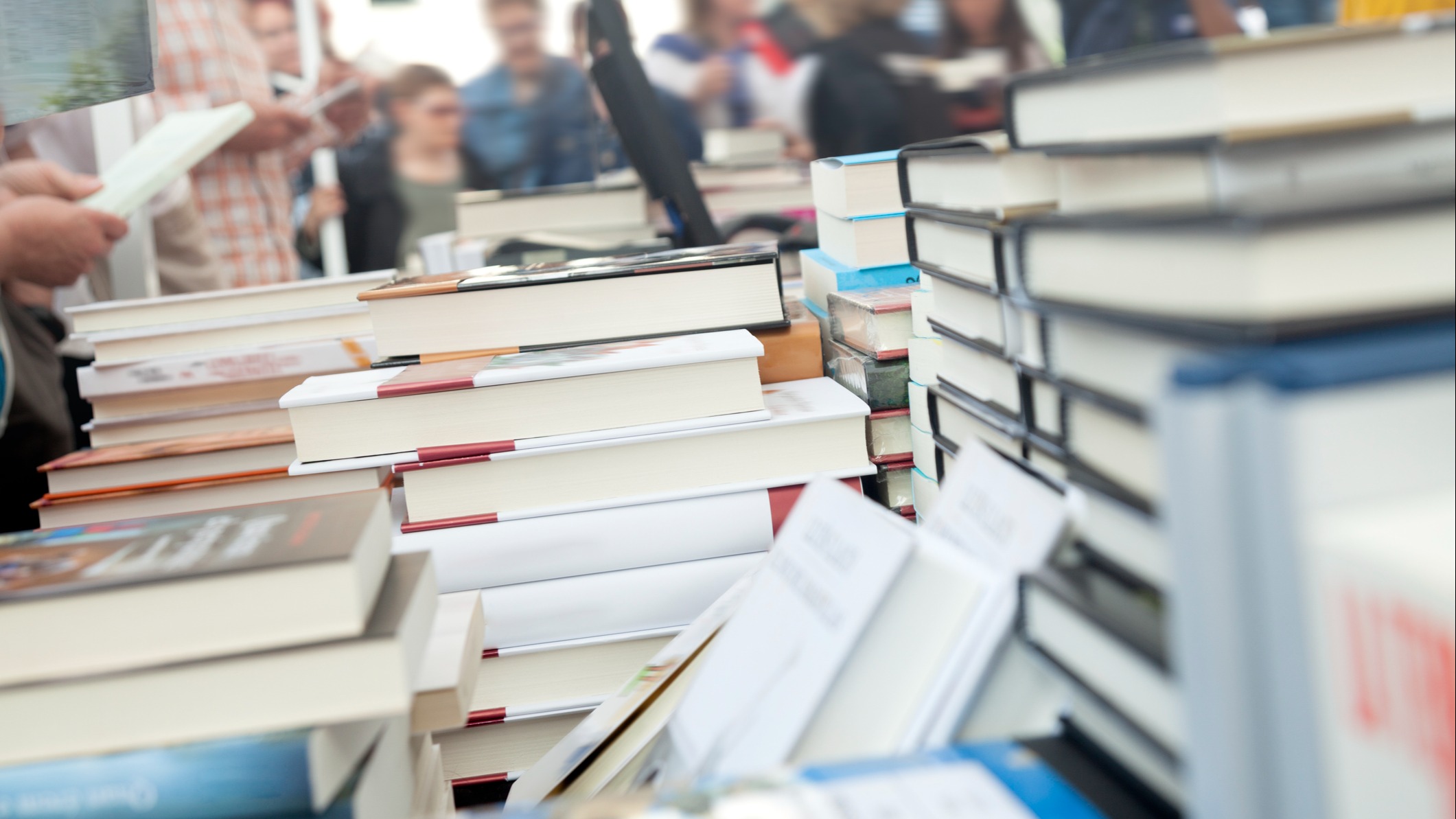
Few things used to beat my excitement for the Scholastic Book Fair at my elementary school. I was an avid reader, so every year my parents gave me $10–$12 to buy a book at the school fair where kids in every class were invited to purchase the newest paperbacks. It’s where I bought my beloved copies of Superfudge and Blubber</em>; and possibly a pencil with a whimsical eraser. I loved the school book fair.
Today, as a parent of two kids who also volunteers at their book fair and holiday parties, I view them through different lenses. Recently, a social media post went viral confirming what I pondered in the back of my mind — are book fairs emotionally harmful to kids who don’t have the financial means to buy the shiny, new books, calendars, and posters being sold? Are book fairs inadvertently identifying students as the “haves” and the “have nots”?
Advocates also encourage parents to reach out to their child’s teacher or principal and inquire about Scholastic dollars.
“It’s important for parents to advocate for other free options in their schools. Many times, there are funds to allocate free books for students to take home,” says Dr. Kamilah Hampton, the principal of a Chicago-area elementary school. “There’s an amazing program called Bernie’s Books, which supports these initiatives. In return, my school often receives Scholastic dollars and we set aside funds for students who can’t afford anything from the fair.”
Additionally, Hampton advises that schools should work with Scholastic to identify ways to support families seeking book fair funds, “such as providing them with a certain amount of Scholastic dollars based on need. Educators can possibly pose a small application to display student needs and or recommendations from the school.”
Most important, Cook reminds parents not to be so hard on themselves.
“Your value as a person is not defined by how much money you spend or how many ‘things’ you can buy,” Cook added.