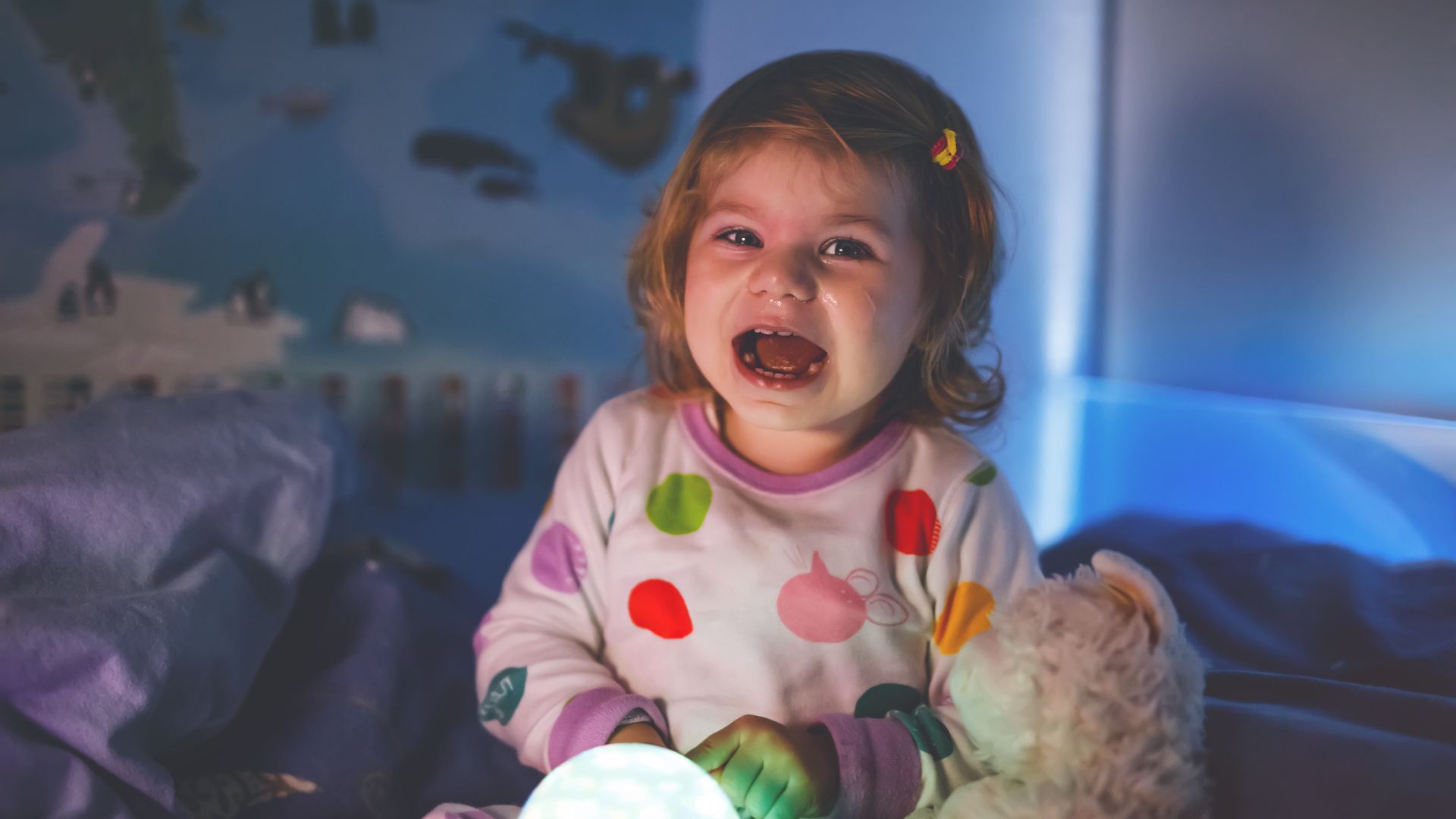
It can be such an alarming thing as a parent to have your toddler abruptly wake up from a seemingly decent sleep visibly upset and practically inconsolable all due to something they likely can’t quite explain. Sleep is such a valuable thing for children, especially for toddlers who are constantly learning and growing every single day.
If you find yourself growing tired (literally), and unsure if your toddler has been suffering from nightmares or night terrors, I’ve put together a list of the top questions that parents are asking that are directly related to this tricky subject. Plus, I’ve enlisted the help of several pediatric sleep experts to help uncover the answers and some common misconceptions you might have heard about night terrors.
What is the difference between a night terror and a nightmare in toddlers?
For parents who aren’t quite sure how to decipher whether their toddler is experiencing nightmares or night terrors, there are several key differences to watch out for. According to Deborah Pedrick, who has been in the pediatric sleep field for nearly 30 years and is the president and founder of the Family Sleep Institute, you can usually identify a night terror because they occur during the first half of the night during NREM sleep. Nightmares typically happen during the second half of the night during REM sleep, Deborah says.
Technically speaking, Pedrick clarifies that night terrors are classified as parasomnia, which is alongside sleepwalking, sleep talking, and confusional arousals, and they’re disruptive behaviors and events that interrupt sleep. Night terrors really only affect approximately 5% of children.
The pediatric sleep expert explains that nightmares are simply a “dream disturbance” that are incredibly common in children of all age groups. One thing to note that Pedrick points out is that night terrors can run in families, so there is a genetic predisposition. They’re also more prevalent in boys.
Also, Pedrick explains that a lot of parents with toddlers who suffer from night terrors will likely find that they have no memory of the episode while a child can usually recall a nightmare. For toddlers who are just having a nightmare, they will usually respond well to comfort and show awareness when they wake up. Parents will typically find that toddlers who have night terrors will not respond to their parent’s voice or comfort because they are not truly awake.
Why does my toddler scream in their sleep but not wake up?
If you’ve ever been woken up in the middle of the night to hear your toddler screaming or crying but once you get to their bedroom, they still seem like they’re asleep, it’s because a part of them still is. According to the Children’s Hospital of Philadelphia, you may find your toddler screaming or crying during a night terror due to parasomnia or “disorders of arousal,” which happen when some parts of the brain are asleep while others are awake. This occurs during that first half of the night or while they’re in “slow wave sleep.”
According to Deborah Pedrick, who is also a co-founder of the International Association of Child Sleep Consultants, there is a distinction to note between confusional arousals and night terrors, because they can look similar. She explains that night terrors can be often characterized by “intense crying or screaming, which is precisely why they’re called terrors.”
If you find that your child stirs during the first half of the night without that intensity or perhaps they appear “confused, looking around, or mumbling, but not visibly distressed, it is most likely a confusional arousal” and not a night terror. The pediatric sleep consultant explains that if that’s the case, the best response is to leave them be and allow it to pass.
How long do night terrors last in toddlers?
According to Tara Hess who works as a certified gentle sleep coach and is the founder and owner of Tulsa Pediatric Sleep Consulting where she works with families and children through the age of 10, most parents will find that night terrors can last anywhere from a few minutes to about 15 minutes. You will rarely see that they continue for 30 minutes or longer.
“The intensity can be alarming for parents, but the child is typically not aware of what is happening and usually settles back to sleep on their own,” the gentle sleep coach with a background in child development also explains.
According to the Cleveland Clinic, children are more at risk for night terrors, especially those between the ages of 3 and 7. Most kids will grow out of them as they get older, particularly when they reach adolescence or adulthood.
What age do night terrors start and stop?

According to Violet Giannone, a registered nurse who works as a pediatric sleep consultant and is also the founder of Sleep, Baby, Sleep, “It’s estimated that sleep terrors occur in 1 to 6.5% of children between the ages of 1 and 12 years old.” She explains that parents will find that the typical onset for night terrors is between 3 and 7 years old, with many cases beginning around 3 and 5 years old.
The pediatric sleep consultant and published author of Baby Sleep Training in 7 Days explains that a lot of parents will note that peak prevalence for night terrors is preschool age children. Luckily, most kids outgrow night terrors by between 10 and 12 years old. There are an unfortunate few who experience them through adolescence.
Should I wake my child during a night terror?
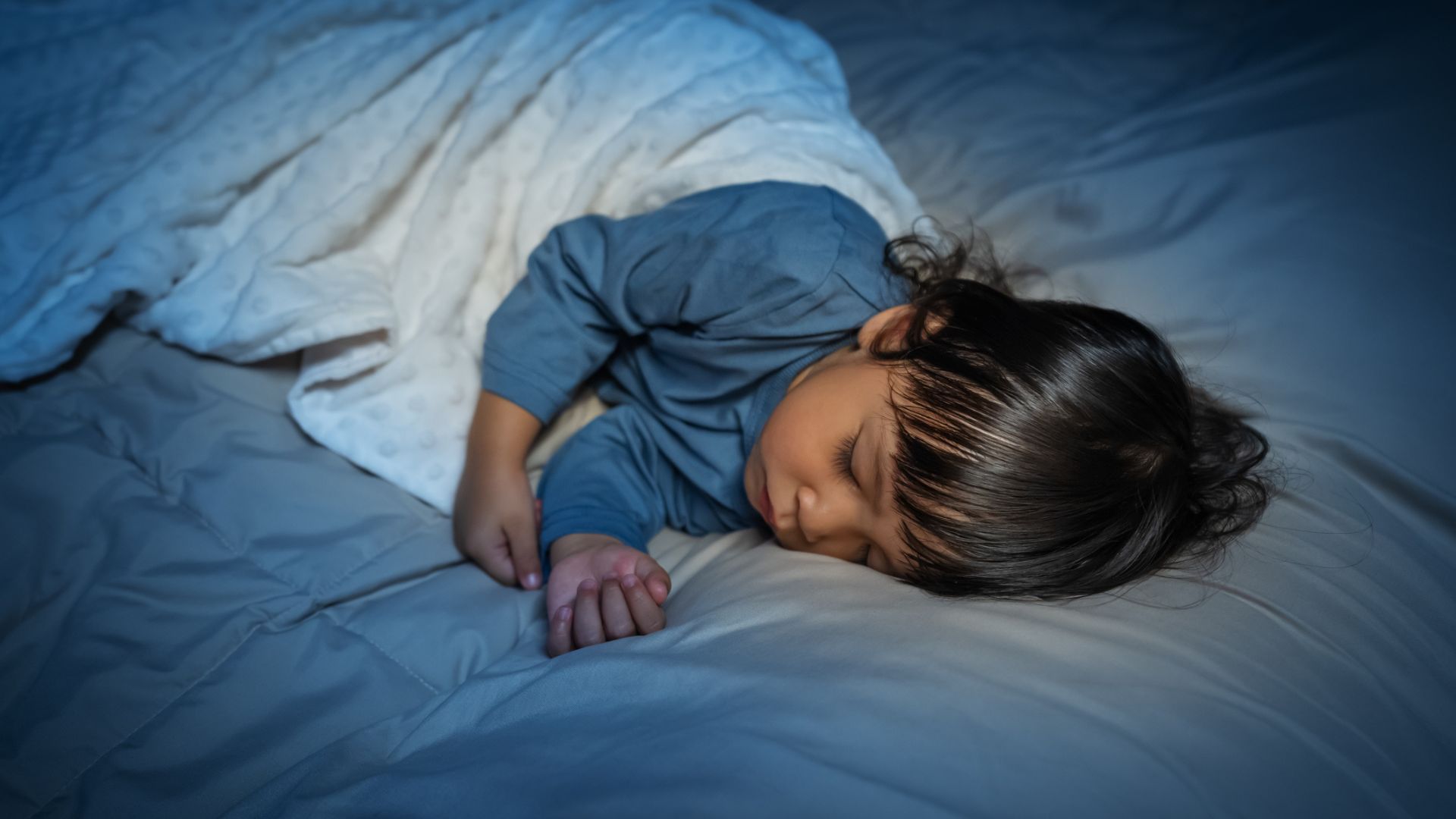
It may be extremely difficult for a lot of parents who find their toddler having a night terror and not immediately begin to comfort and console them, but many pediatric sleep experts advise directly against that.
For instance, Tara Hess, the certified gentle sleep coach and member of the International Association of Child Sleep Consultants, advises parents that the most important thing they can do when their toddler is having a night terror episode is to “ensure their child’s safety, remain calm, and allow the event to run its course.” She clarifies that trying to wake them up during a night terror may cause confusion “and actually make the episode last longer.”
Pediatric sleep expert Deborah Pedrick agrees that waking up a child during a night terror is a mistake. “Some sources suggest a technique of gently rousing the child shortly before the terror is expected to occur in order to interrupt the sleep cycle before it reaches the point of intrusion,” she notes, but she also does not recommend that method. With unpredictable timing, you risk fully waking up your child in the process.
Can night terrors be caused by stress or anxiety in young children?

According to Children’s Hospital Colorado, night terrors can be inherited. So, if the condition is something that you dealt with as a child or teenager or someone in your family suffers from night terrors, these are the young children who may be predisposed to this type of sleep issue. The health organization clarifies that night terrors are not usually caused by “psychological stress.”
Deborah Pedrick explains that night terrors are “almost always triggered by something, and identifying that trigger is the key to reducing their frequency.” She explains that when parents work to a properly address the trigger, like treating an illness, you can help your child find some relief with their night terrors. She notes that it’s also worth trying to put your child to bed earlier for several consecutive nights to disrupt their night terror cycle.
The pediatric sleep expert lists some common night terror triggers as:
- Illness and/or fever
- Skin conditions such as eczema that disrupt sleep through scratching
- Lack of sleep or overtiredness
- Significant life events or big changes (positive or negative)
What do I do when my child has a night terror?
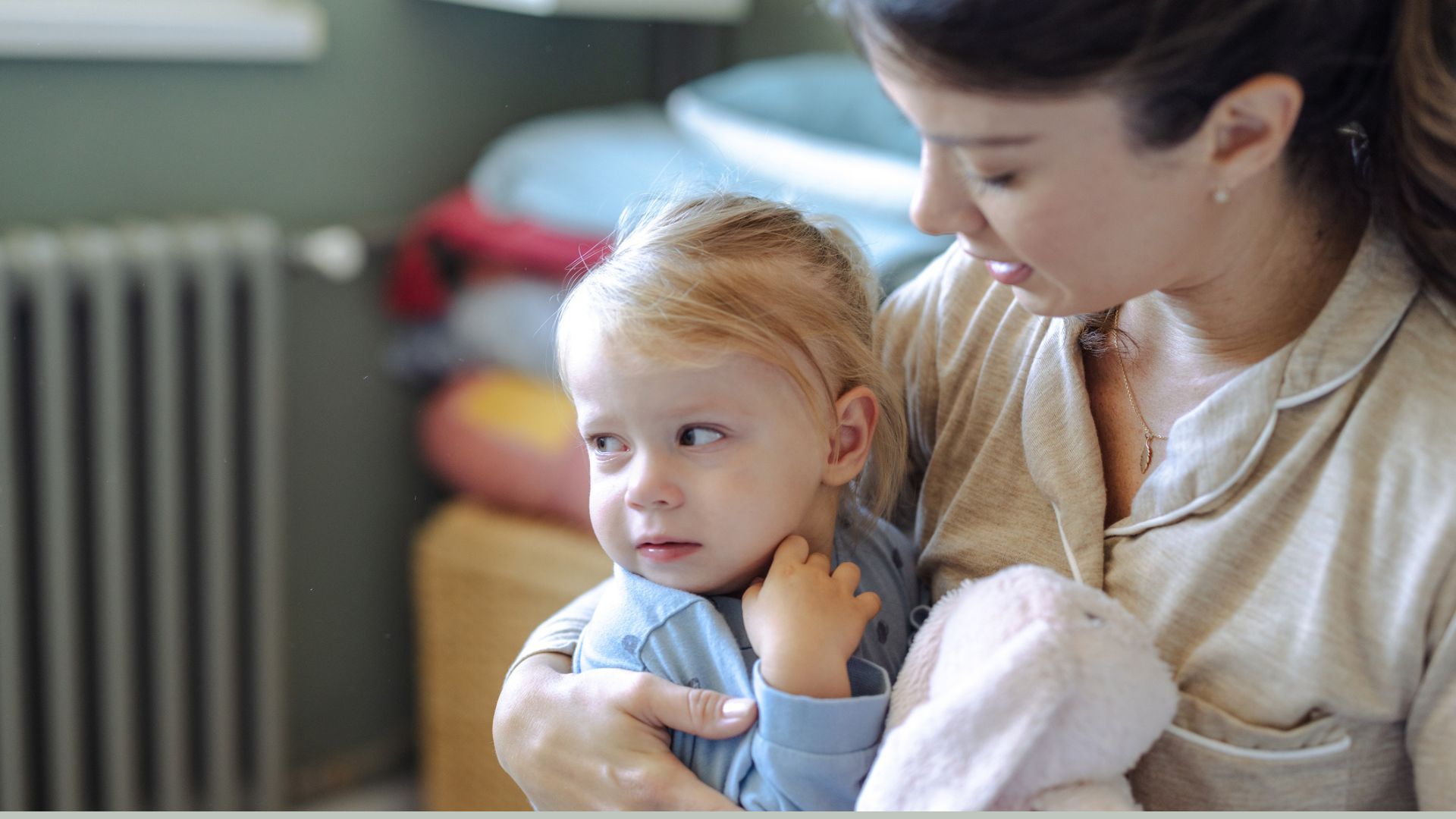
There is a vast difference for parents who are responding to their child having a nightmare versus when they are having a night terror. Pediatric sleep expert Deborah Pedrick explains that when your toddler wakes up from having a nightmare, it’s important to remember that the experience “feels very real to them, so comfort is key.” You can reassure them that they are safe, give them a cuddle, and make sure they feel safe and ready to get back to sleep as quickly as possible.
When it comes to night terrors, Pedrick clarifies that even though it may be an “alarming” experience for parents to witness, the best response is to do as little as possible to help ensure that the episode passes. Parents may see their child “crying or screaming intensely, sweating, with glassy eyes, and looking visibly terrified” during a night terror, but they’re not truly awake at that moment.
A lot of parents will find that a night terror episode will last anywhere from a couple of minutes up to 30 minutes. Pedrick reiterates that it’s best for your child to do as little as possible during those moments: “the less interaction, the faster the terror will subside.” You can always keep close by to ensure that your toddler is in no physical danger, but you should really allow things to run their course.
Keeping that in mind, it’s imperative that parents not attempt to wake their child up during a night terror because they’re actually in a deep sleep state, and waking them up right in the middle of that can be traumatic.
Is it normal for toddlers to have night terrors every night?
Speaking with Erin Junker, who is a professional infant and toddler sleep consultant and owner of the Happy Sleep Company, while it’s considered “developmentally normal” for toddlers to experience occasional night terrors, it certainly isn’t common for them to experience them nightly or several times per week. Though the cause may be due to overtiredness, it’s something that you might want to bring up with your pediatrician if they’re getting to be a regular occurrence.
Tara Hess, a certified gentle sleep coach, clarifies that it is also crucial to be sure that your toddler is having night terrors rather than nightmares or something else. To help subside night terrors, she suggests that parents focus on maintaining a consistent sleep schedule and making sure that their child is getting adequate sleep for their age. She also notes that a consistent and calming bedtime routine can often help.
Nationwidechildrens.org advises that you speak to a healthcare provider if your child’s night terrors include two or more episodes per week, if they’re causing injury to themselves or others during the episodes, or when you spot drooling, jerking of the body, or stiffening.
Why does my child not remember their night terror in the morning?

It may seem like such a strange experience to go through when you watch your child cry and scream and sit up in their sleep during a night terror, but when they wake up the next morning, they won’t even remember that it happened. In a way, it’s almost a blessing in disguise.
According to Junker, the pediatric sleep expert with a certificate in infant and toddler sleep consulting, children are much more likely to remember nightmares “because they occur during REM [rapid eye movement] sleep,” which is when “vivid dreaming” takes place. She explains that since night terrors occur during “deeper, non-REM sleep,” that vivid imagery is lacking during that time, so no memory is created.
READ NEXT: E-Bikes and Kids: Fun, Dangerous, and Not Going Away