A scoliosis diagnosis may have parents wondering: What exactly is scoliosis, and is it preventable? In doctor's offices and schools around the country, children routinely undergo health screenings. These early intervention tools can detect potential issues before they progress. Scoliosis screenings are one such tool.
More common in adolescent girls than it is in boys, scoliosis is an abnormality of the spine. The sideways curvature can present as either an S-shaped or C-shape. It is primarily diagnosed during a routine checkup. Of the three categories of scoliosis that most types fall under, idiopathic scoliosis affects 3% of adolescents, according to the National Institutes of Health (NIH). Both neuromuscular and congenital scoliosis can be present at birth.
What causes scoliosis
Scoliosis diagnosis and treatment
Scoliosis is normally diagnosed during a routine spine check at a child's annual checkup. During the exam, the physician checks to make sure the child's head and neck are aligned. They will also check to make the sides of the body are symmetrical. Because children grow so quickly during puberty, idiopathic scoliosis is often diagnosed during the adolescent years.
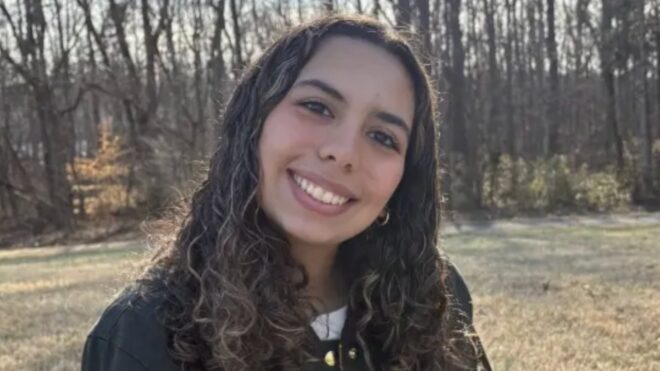
For Bryant's daughter, the diagnosis came during a chiropractic exam and X-ray. "It was in this free exam that my daughter's X-ray showed her scoliosis,” she said. “It went completely unnoticed by her pediatrician for 10 years."
While chiropractic care and treatment are popular options for some, parents should discuss scoliosis screenings with their child's pediatrician if they have concerns. The severity of the spine curvature will dictate what your child's treatment looks like.
In my case, I was instructed to perform core-strengthening exercises, my scoliosis was monitored for a few years and later resolved itself as I got older. Doctors may suggest continual observation and monitoring, since as a child grows and throughout puberty the spine can straighten out.
Bryant can attest to this. She told Mom.com that it has been 4 years since her daughter's diagnosis. "As she gets taller, her curves have actually decreased slightly."
If your child's pediatrician suspects scoliosis, they will refer you to a pediatric orthopedic surgeon. A complete evaluation will offer you the opportunity to ask specific questions and discuss treatment plans.
Scoliosis treatment options
When a physician opts to monitor the child's spine curvature, they take a few things into consideration. Generally, a girl will continue to be monitored through the start of her first menstrual cycle. It is then that a girl's growth will normally slow. For boys, who stop growing around age 16, spine checks will continue as they grow. Your child's doctor may also take into consideration the age at which they were first diagnosed to determine how long to continue with screenings.
For children with spine curvatures beyond 25 degrees, doctors may suggest orthotics or braces. For more pronounced curves, usually in excess of 45 degrees, surgery may be advised.