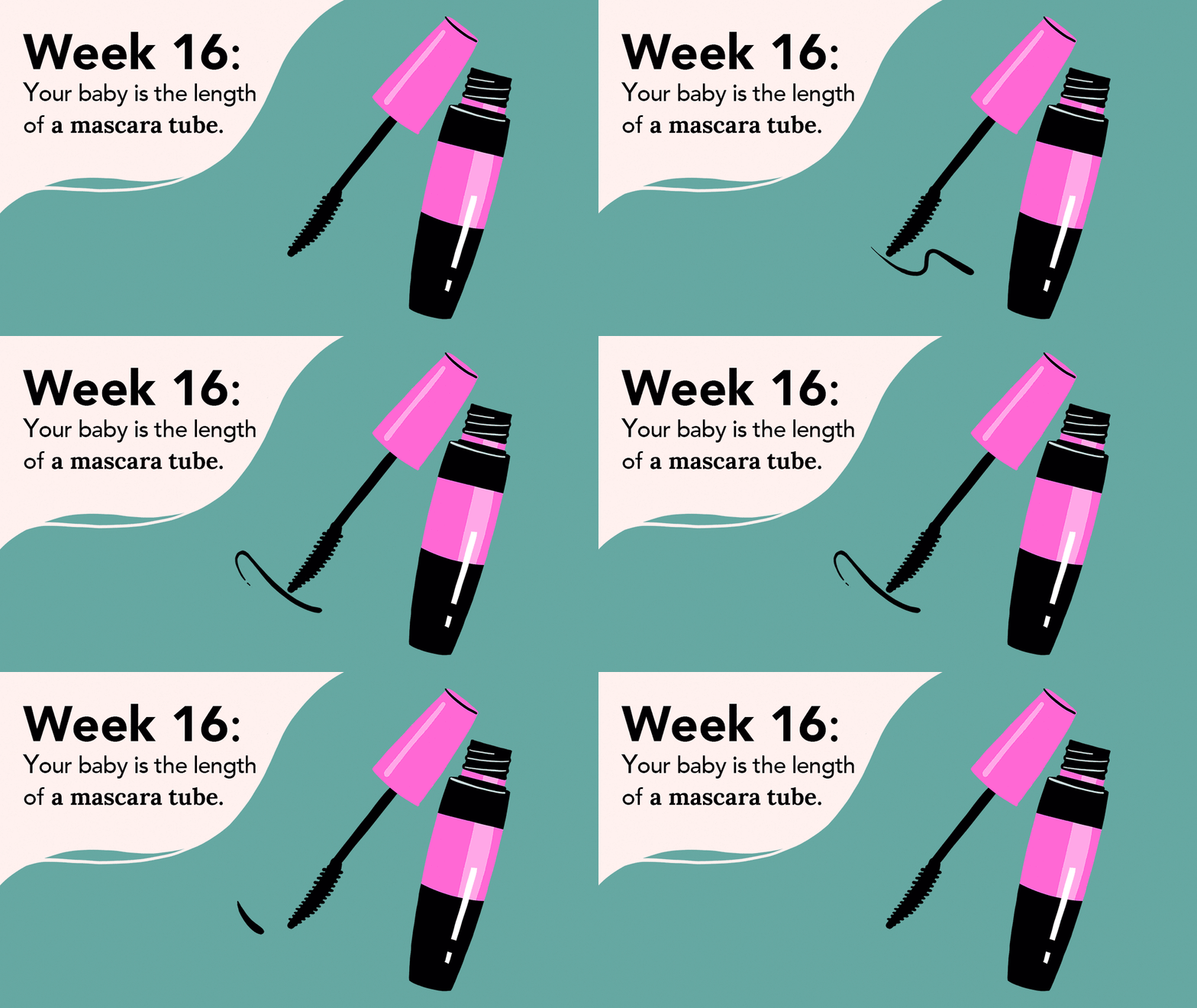
You’re 16 weeks pregnant!
What does 16 weeks equal in months?
At 16 weeks pregnant, you’re in your fourth month of pregnancy and second trimester. Here’s what pregnancy weeks equal to in months for the second trimester:
- Month 4: Weeks 14 to 17
- Month 5: Weeks 18 to 22
- Month 6: Weeks 23 to 27
Your ultrasound
At 16 weeks pregnant, most doctors won’t schedule an ultrasound since they typically follow the American College of Obstetricians and Gynecologists (ACOG) recommendation of getting at least one ultrasound around 18 to 22 weeks. If you require an amniocentesis, those are usually scheduled around 15 to 20 weeks. During the procedure, the medical professional will also conduct an ultrasound to check on your baby’s health and development. This allows them to get better data on your fetus’s gestational age, check for certain genetic disorders, and listen to the fetal heartbeat.
Your pregnant belly at 16 weeks
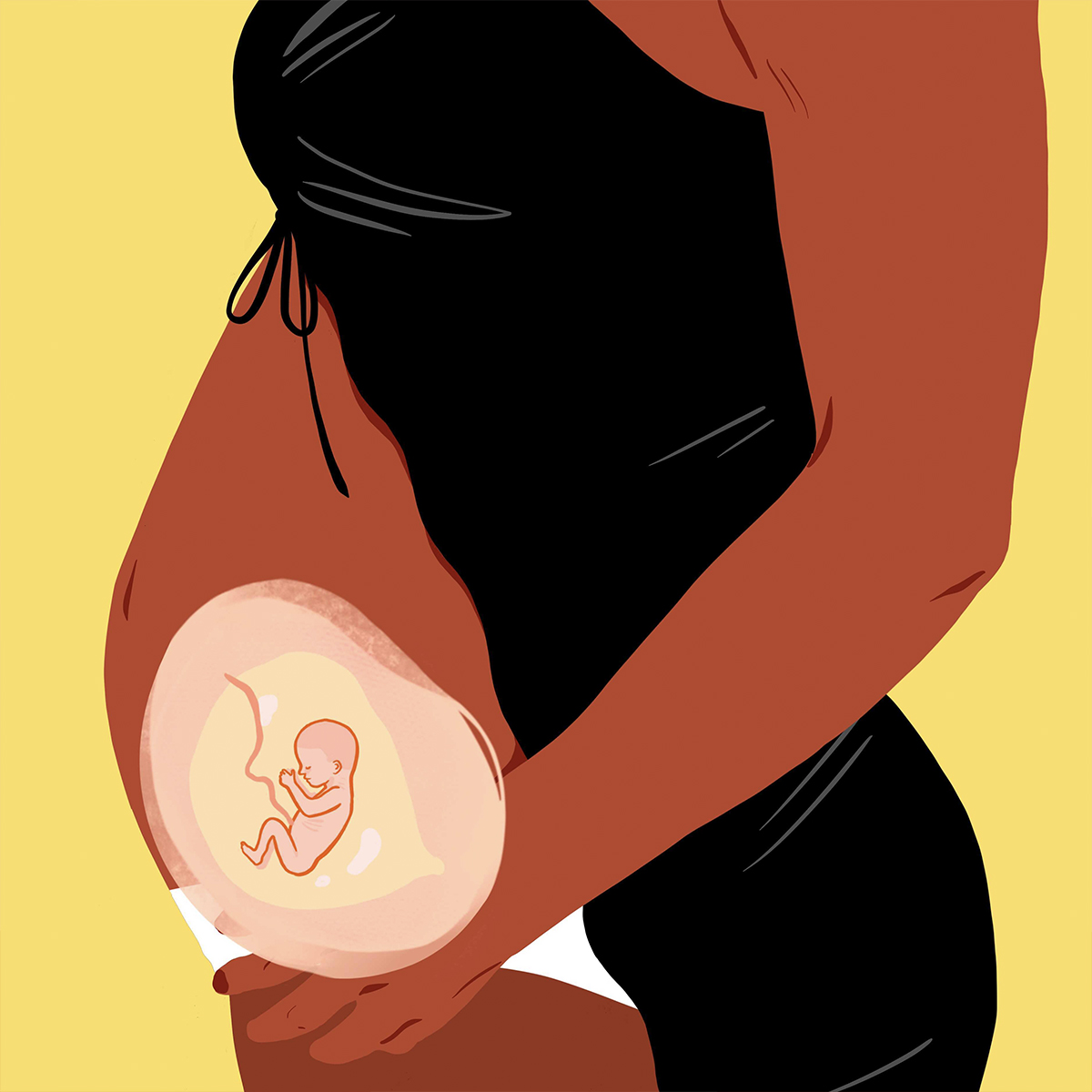
At 16 weeks, your baby is typically around 4.5 inches long, weighs about 3.5 ounces and is about the size of a pint of ice cream. Because your uterus is developing at around the same rate as your baby, you likely can no longer hide your pregnant belly. As a result, you might also be gaining more weight than you are normally accustomed to.
Again, don’t worry! Your size and weight will vary even from pregnancy to pregnancy. All that matters is that you and your baby are getting the nutrients they need from the foods and supplements you’re eating.
Your baby can now straighten out their head and neck more due to the spine and back muscles gaining strength. Their face muscles are also developing and now your baby can frown or squint and make some facial expressions. Plus, their eyes are finally working and can shift side-to-side as well as sense light through their sealed eyelids.
Pregnancy tips at 16 weeks
At 16 weeks pregnant, you may want to do the following for yourself:
Schedule an amniocentesis
The amniocentesis is usually scheduled around 15 to 20 weeks and is used to determine the health of your baby. Plus, the procedure can be used to diagnose specific birth defects or chromosomal anomalies. Generally offered to people who are 35 or older at the time of pregnancy, it can also be recommended for people who may need additional genetic assessments.
Check with your doctor about preeclampsia
Ask your doctor if you are at higher risk for preeclampsia. Developing in later pregnancy (typically after week 20), preeclampsia is characterized by a sudden spike in blood pressure. Not only may you have high blood pressure, you may have severe hand and face swelling, terrible headaches, protein in your urine, and abdominal pain. Find out if your doctor would recommend a daily dose of low-dose aspirin to reduce your risk of preeclampsia.
Take care of your skin and potential acne
The combination of hormones as well as possible extra oil production from your skin can lead to acne and flare-ups. Choose oil-free or more gentle products that may have glycolic acid or benzoyl peroxide. Avoid products with retinol, and always consult with your physician before trying anything.
Your pregnancy checklist at 16 weeks
Once the second trimester begins, you will be at the OB/GYN every four weeks so make sure you schedule those visits ahead of time.
Schedule prenatal testing
Within the next four weeks, you’ll likely take a blood test to help screen for Down syndrome as well as schedule an amniocentesis. The amniocentesis tests a small sample of amniotic fluid withdrawn by an ultrasound guided needle. Whether or not you need these tests depends on your prenatal care provider and your general age and health.
What are you eating for you and your baby?
Your appetite at 16 weeks pregnant may be picking up so that you can provide the calories your baby needs to grow and develop properly. You’ll need approximately another 300 to 340 calories per day to provide the nutrients and calories for your growing baby so choose good calories. Pick nutrient-rich foods like hearty soups, and go for leafy greens and lean protein that benefit both you and your developing fetus.
Iron
“Eat lean red meats, leafy green vegetables, whole grain breads, dried fruits and beans,” recommended Lizellen La Follette, M.D., OB-GYN at Marin General Hospital in Greenbrae, Calif. Your blood volume increases during pregnancy and as a result, your body will need additional iron. Pregnant women are also at higher risk for anemia, so if you find yourself constantly fatigued, weak, short of breath, have pale or yellowish skin, chest pain, dizziness, or cold hands and feet, your OB/GYN may suggest having your iron levels tested.
Protein
You should be eating approximately 1.52 grams of protein per kilogram you weigh. Protein contributes to fetal brain development as well as other fetal tissues. Some excellent sources of protein are:
- Nuts
- Tofu
- Eggs
- Lean meats
- Cooked fish
- Lentils, beans, and peas
Calcium
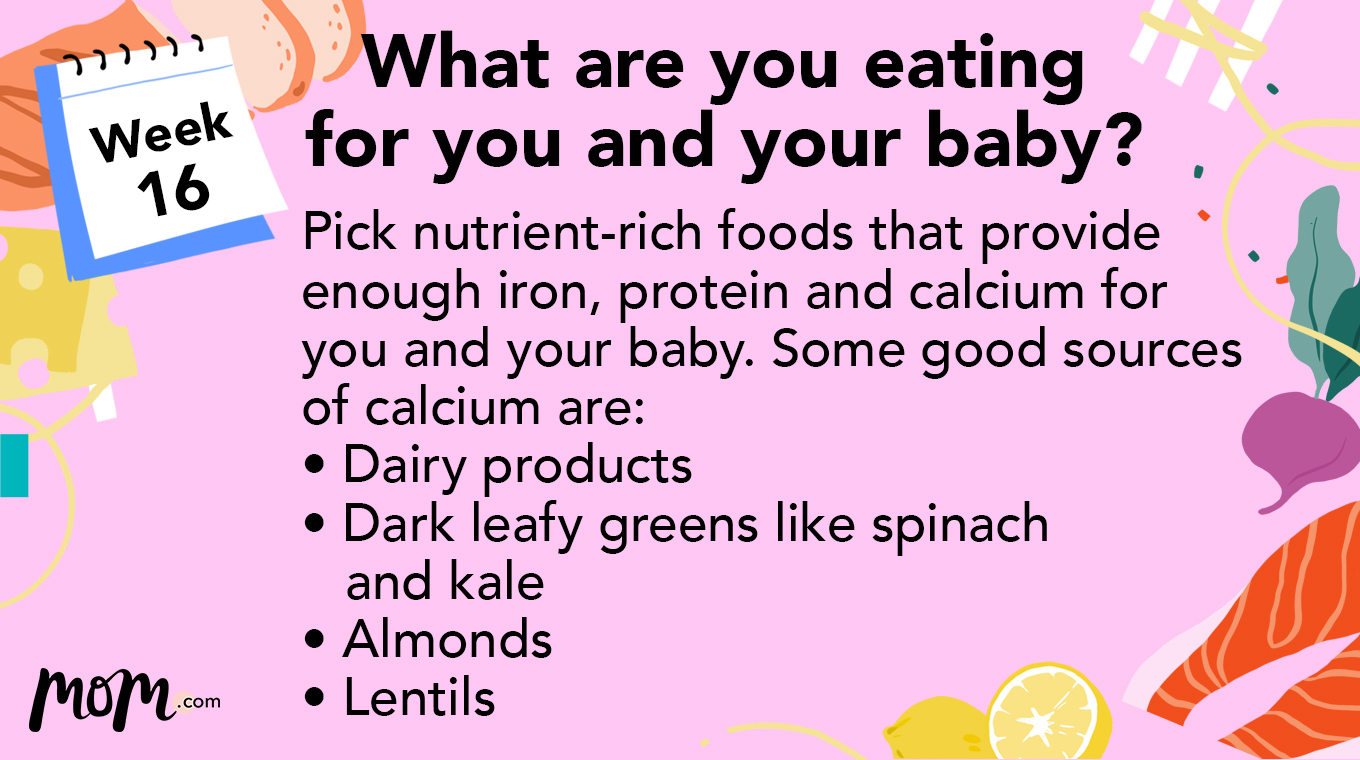
Eat calcium rich foods found in dairy products, dark leafy greens like spinach and kale, almonds, and lentils. Eat calcium rich foods in conjunction with foods high in Vitamin D like salmon, egg yolks, and herring or sardines to help your body better absorb the calcium.
In addition, try to avoid or restrict the following foods:
- Caffeine, alcohol, and drugs
- Undercooked meats
- Unheated lunch meats
- Unpasteurized foods (e.g.: soft cheeses)
- Unwashed fruits and vegetables
- High mercury seafoods
- Raw seafood (e.g.: sushi)
- Raw eggs