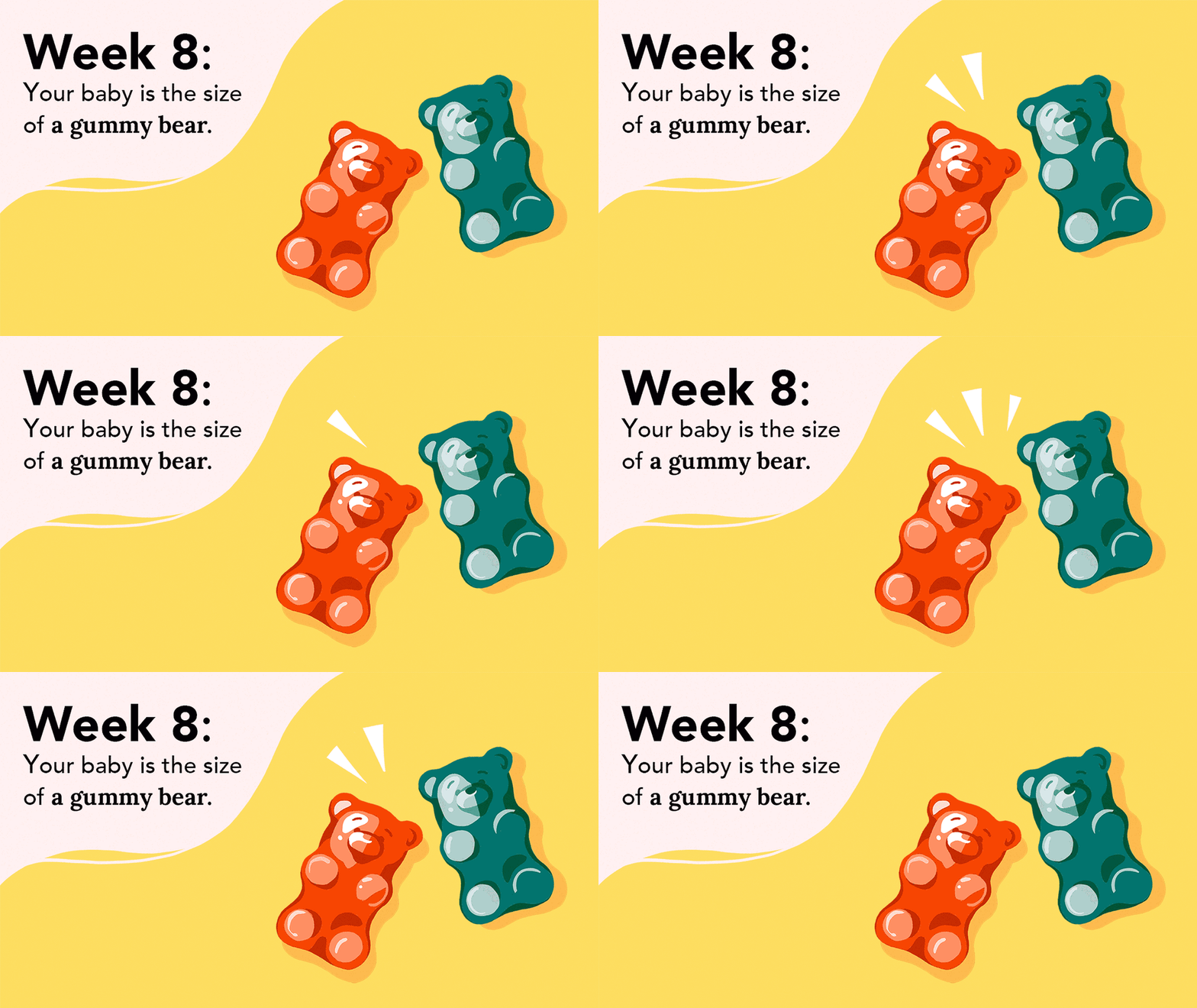
You’re 8 weeks pregnant!
What does 8 weeks equal in months?
So, what exactly is 8 weeks pregnant in months? At this stage of our pregnancy, you’re two months pregnant. There are approximately seven months left to go before you get to meet your new bundle of joy. Technically, the 40 weeks of pregnancy are 10 months long, but since February is short and some months have 30 days while others have 31, each month truly is about 4.3 weeks long, making a total full-term pregnancy nine months in length.
Your ultrasound
Once your pregnancy is 8 weeks along, an ultrasound may be ordered to measure your baby’s size and the amount of amniotic fluid present. An ultrasound this early in the pregnancy may be done with a transvaginal wand vs. a transabdominal ultrasound over your 8 week pregnancy belly. Your doctor will also be looking to ensure all is well with the placenta, confirm the 8-week-old fetus’ heartbeat, and that the fetus is located where it should be within the uterus.
Your pregnant belly at 8 weeks
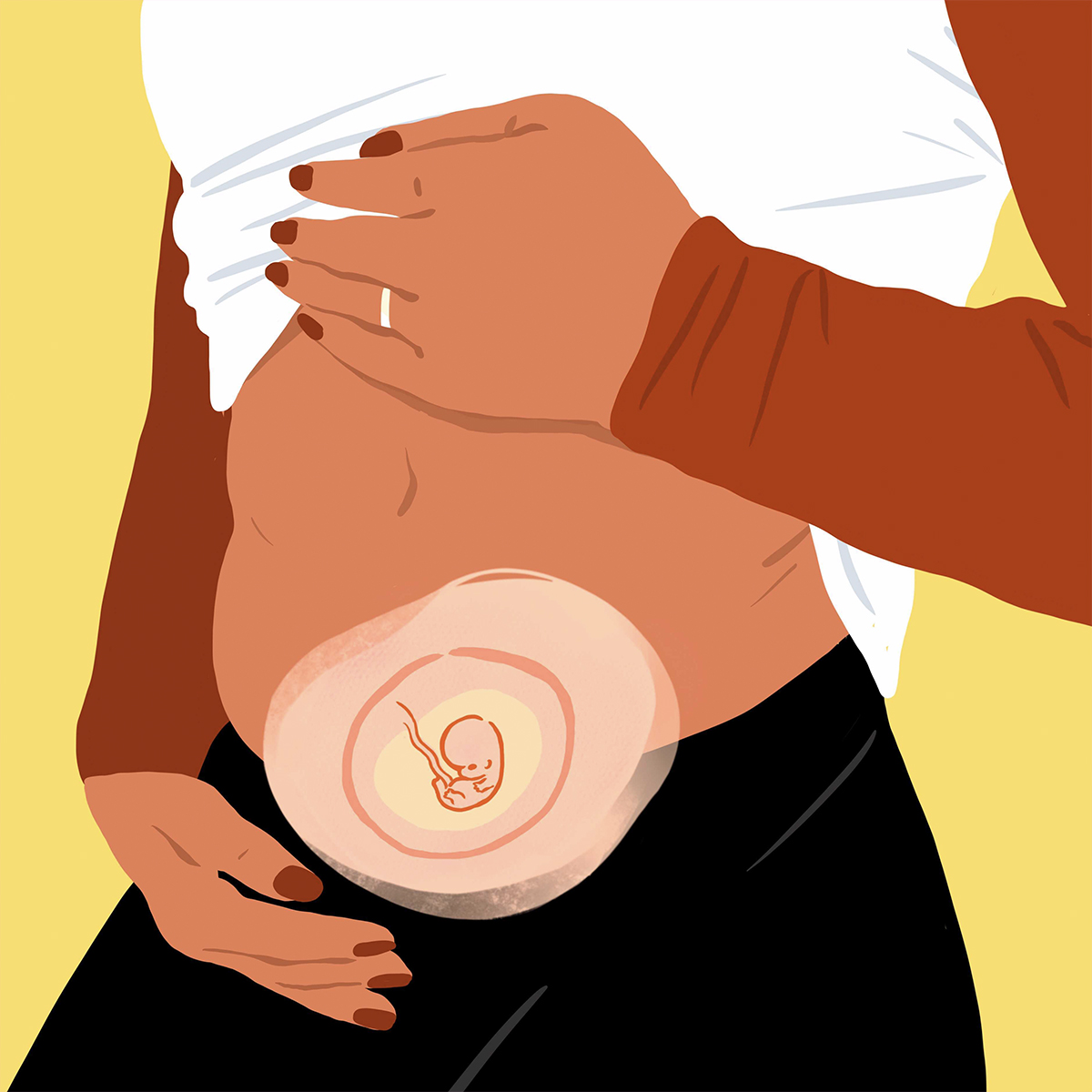
Your 8 week pregnancy belly may be undetectable right now. You may have just a slight bump or you may not be showing at all. Your stomach may start to be itchy now or this could happen later as the skin over your belly begins to stretch and grow.
Pregnancy tips at 8 weeks
- If you’re having twins, 8 weeks pregnant is likely when you’d find out. Your early pregnancy would detect two heartbeats vs. one, so your health care provider will help you prepare and let you know what you need to do next.
- You may be feeling constipated more often lately as the hormone relaxin tends to slow down the digestive process. Now is a good time to increase your water intake and start eating more fibrous foods. Constipation coupled with tiredness and exhaustion do not make a good mix, so try to stay active when you can to keep everything moving as it should.
- Continue taking your prenatal vitamins. Talk to your doctor about whether or not you should be taking a folic acid supplement. Folic acid is helpful in preventing neural tube defects of your baby’s spinal cord, spine, and brain.
- A common complaint during week 8 of pregnancy is cramps. If you are experiencing cramping know that it’s normal as your uterus expands. The stretching of muscles and ligaments can cause a cramp feeling that can sometimes be alleviated by staying hydrated or changing the position you’re sitting or lying in. Now would be a great time to buy a pregnancy body pillow to help you redistribute your weight as your belly starts to grow and throws off your center of gravity.
Your pregnancy checklist at 8 weeks
- Now may be a good time to go over with your doctor which types of screening tests you should have. Some will depend on your age, background, and risk factors.
- If you’re working, be mindful of your work environment. Talk with your doctor about any changes you might need to make to your schedule or duties, especially if your work involves heavy lifting.
- Be mindful of how you’re feeling. Signs of a miscarriage include excessive bleeding and a rush of discharge or tissue from the vagina. Contact your doctor if you experience unusual symptoms.
What are you eating for you and your baby?
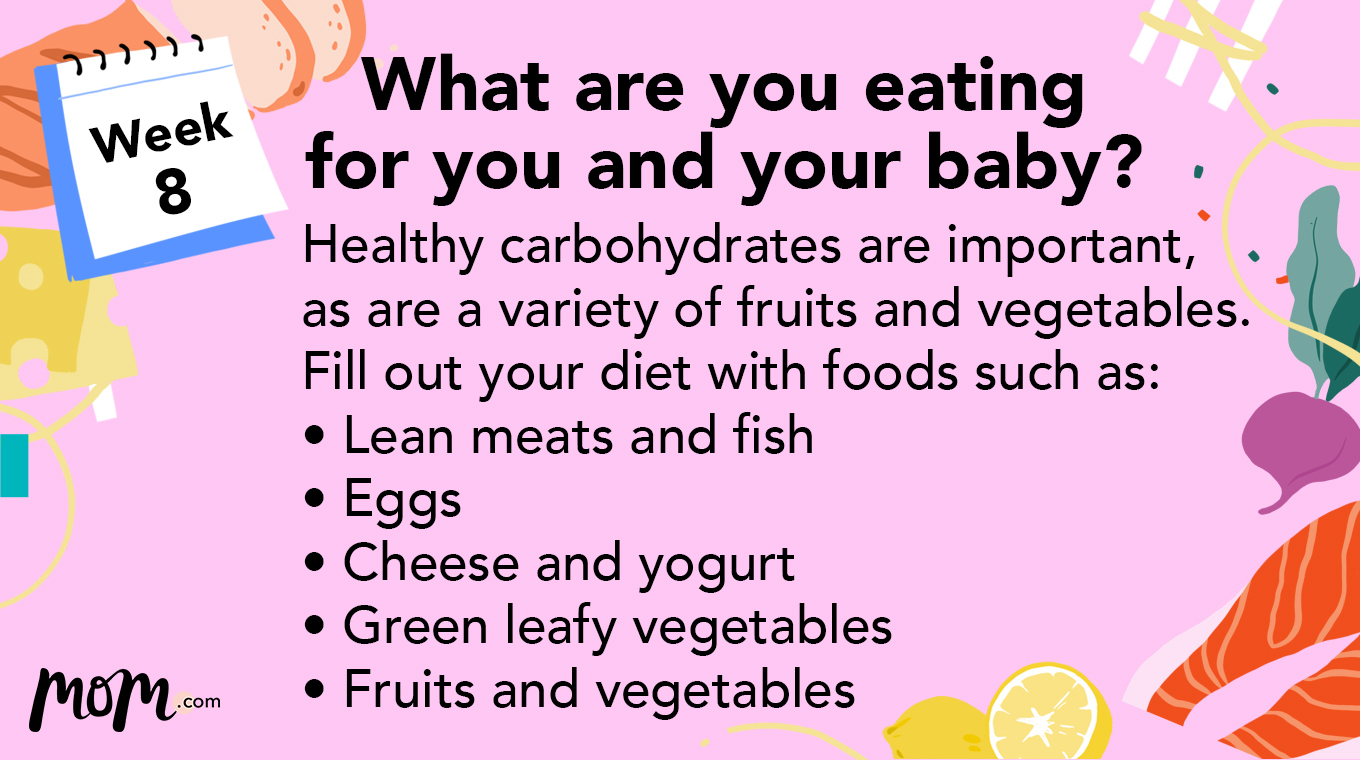
What you are eating will have an effect on your growing baby. If you’re taking prenatal vitamins or supplements suggested by your doctor, continue to do so but also ensure you’re eating healthful, whole foods regularly. You’ll want to eat protein-rich foods like lean meats, fish, eggs, legumes, and beans. Healthy carbohydrates are important as are a variety of fruits and vegetables. If you are vegan or vegetarian, talk to your doctor about how you can be sure you’re getting the proper nutrients. You may need additional supplementation like B-12, vitamin D, calcium, and iron, but it’s important to go over this with your doctor early on.
- Lean meats and fish
- Eggs
- Cheese and yogurt
- Green leafy vegetables
- Fruits and vegetables