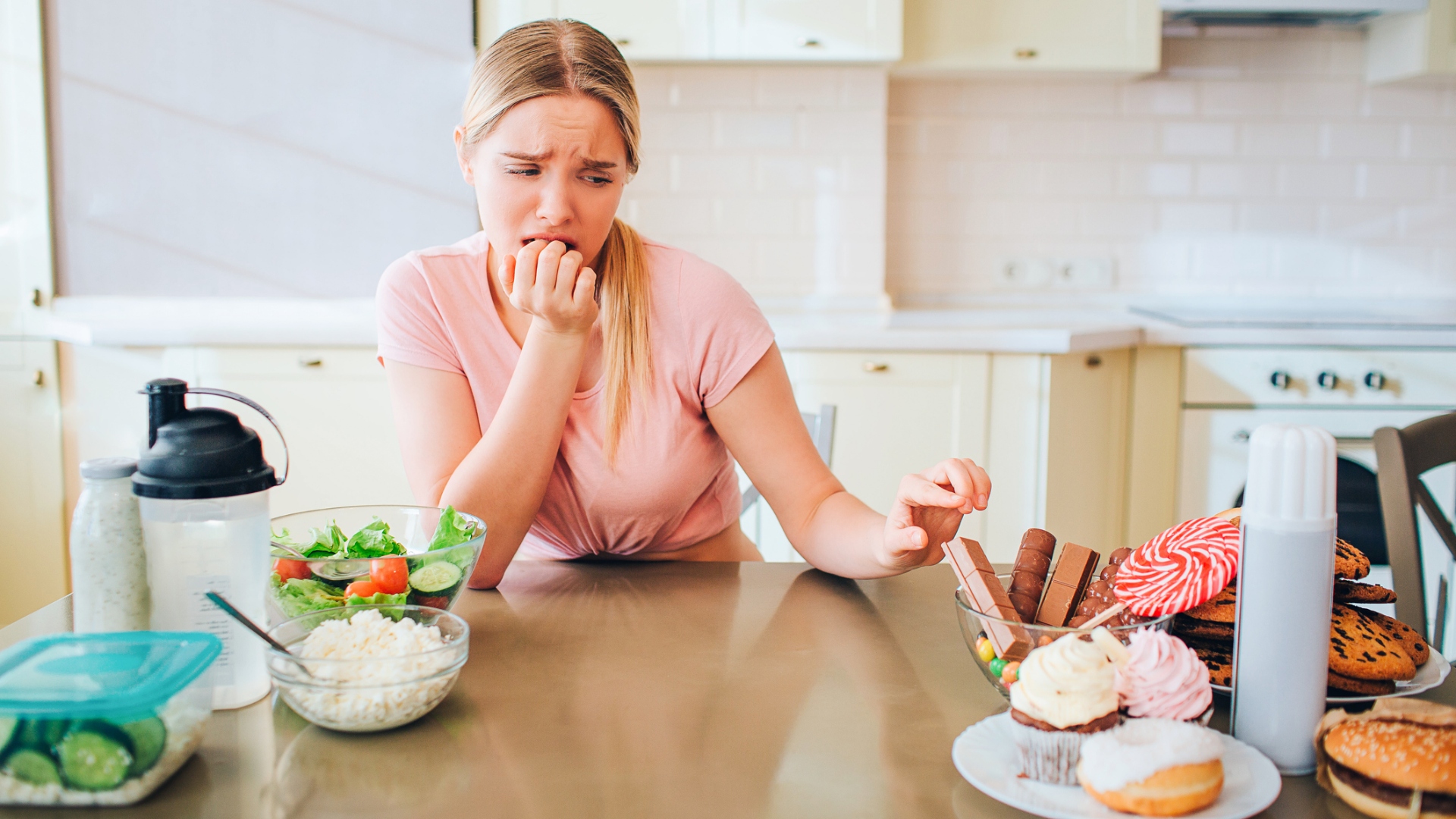
Adolescents can be awkwardly self-conscious or even obsessive when it comes to personal appearance, which in some cases can lead to anorexia or body dysmorphia and eating disorders. But teenagers who turn to artificial intelligence for dieting and weight-loss tips are putting themselves at risk of malnutrition, according to Turkey-based researchers whose investigation of five chatbots was published in the journal Frontiers in Nutrition.
“The resulting plans may not always adequately cover necessary nutrients and calorie intake,” according to the nutritionists.
They warned that adolescents using AI as a diet counselor could end up denying themselves around 700 calories per day — the equivalent of one meal.
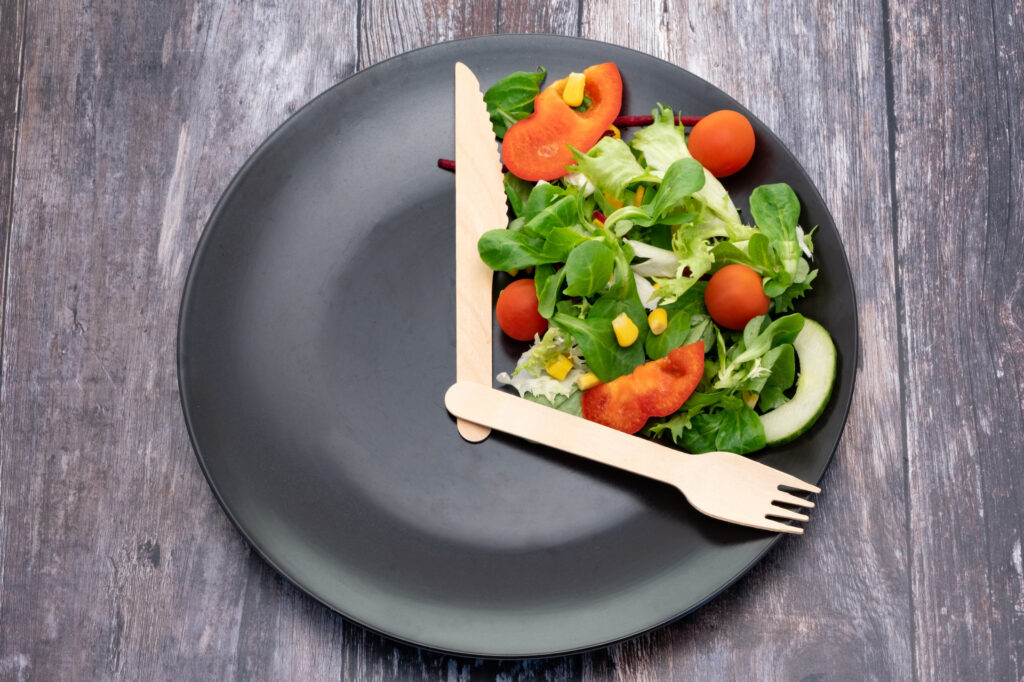
“Diet plans generated by AI models tend to substantially underestimate total energy and key nutrient intake when compared to guideline-based plans prepared by a dietitian,” said Ayşe Betül Bilen of Istanbul Atlas University, whose team looked at the eating blueprints provided by ChatGPT 4, Gemini 2.5 Pro, Bing Chat 5GPT, Claude 4.1 and Perplexity.
The chatbots not only undercooked the estimated caloric intake of their diet plans, but they also at the same time over-egged the “intake of certain micronutrients,” the team said, after reviewing meal advice that did not contain enough carbohydrates.
‘Following such unbalanced or overly restrictive meal plans during the teenage years may negatively affect growth, metabolic health, and eating behaviors,’ Bilen warned.
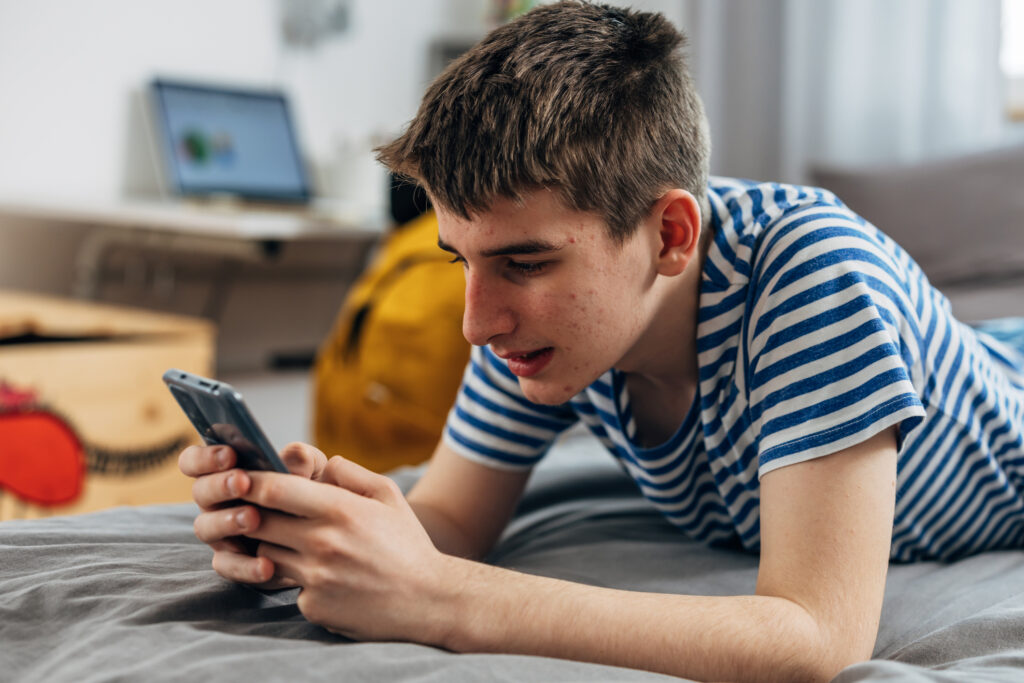
For teenagers in the middle of a growth spurt as well as significant hormonal and brain changes, the subtraction of hundreds of calories “is large enough to have serious clinical consequences,” the researchers warned.
“AI-based dietary recommendations are not appropriate to use without professional supervision, emphasizing the need for model improvements for more reliable data generation in this area,” the team concluded in their paper.
The findings follow the publication last month of research showing young people as increasingly influenced by eating advice and trends they see on social media.
“Culinary trends presented on TikTok’s videos can determine what young people will eat, which food places they visit, and how they evaluate presented recipes,” said Artur Strzelecki of the University of Economics in Katowice.
©2026 dpa GmbH. Distributed by Tribune Content Agency, LLC.