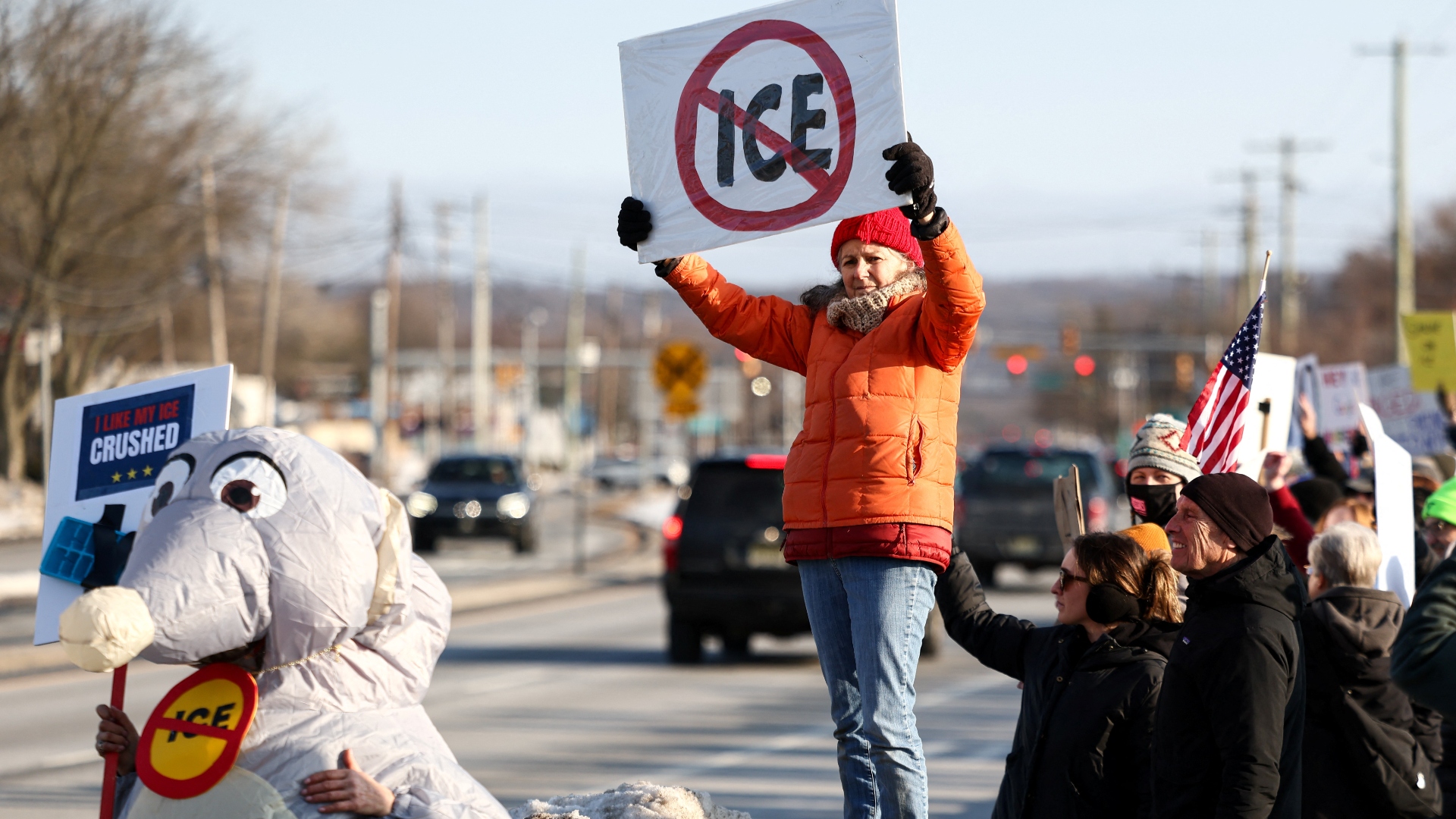
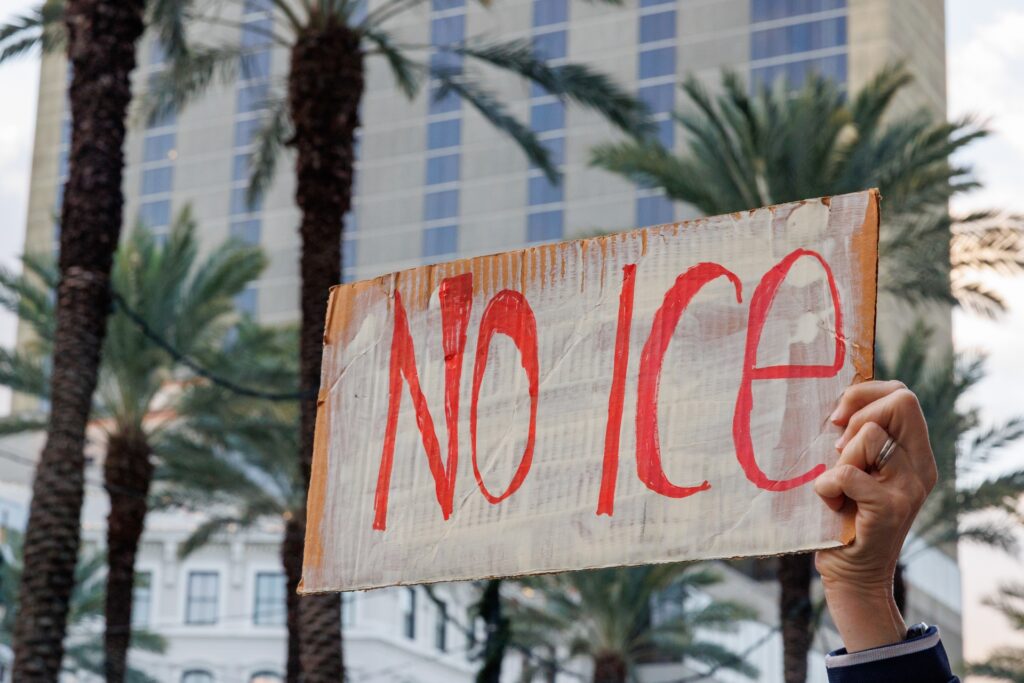
We were stopped at a red light when my daughter leaned forward from the backseat and squinted out the window. “Why are they protesting ice?” she asked. I glanced over. A large group of people stood on the corner holding signs. Cars honked in support. A few drivers rolled down their windows to shout encouragement. It was one of those scenes that has become part of the background lately — energetic, emotional, unmistakably adult. The kind of moment that carries urgency even if you don’t fully understand it. “Ice?” I repeated. “Yeah,” she said, genuinely worried. “Don’t they like cold drinks? Is something wrong with ice? Should we not be using it? Is it bad for us?!”
She was not being sarcastic. She was not trying to be clever. She truly believed these people were upset about frozen cubes of water. For a moment, I didn’t correct her. I just sat there, caught by the simplicity of it.
The world feels heavy right now. Conversations are sharper. The news never seems to pause. Even ordinary words feel charged, carrying more meaning than they used to. Everything seems to come with urgency, with consequence, with an expectation that you already know what side you’re on.
And meanwhile, in the backseat of my car, my child was worried we might need to stop using ice for our beverages. This is the strange duality of parenting: holding the weight of the world while raising people who are still light enough not to feel it yet.
I did eventually explain — carefully, gently — that the word “ICE” meant something else. That the protest wasn’t about drinks or freezers or even winter storms. It was about grown-up things. Complicated things. Things we could talk about more later.
She nodded, satisfied enough, and went back to looking out the window. But the moment stayed with me. Because it reminded me how much of childhood is shaped by language — by words before they harden. By acronyms before they carry history and fear. By meanings that are still literal, still neutral. Ice is cold. A protest is confusing. Adults are still learning too.
There will come a day when the same words land differently. A day when context rushes in. When meanings stack. When innocence gives way to nuance, anger, fear, or disappointment. When the world no longer feels simple, but layered and loud. And while I can’t control when that day arrives, I can help shape how she meets it.
As parents, we spend so much time trying to protect our children from what’s frightening, unfair, or broken. We monitor what they watch. We soften explanations. We translate reality into something age-appropriate and manageable.
But moments like this remind me that protection isn’t only about shielding them from the world, it’s also about honoring the world they’re still living in.

A world where ice is just ice. Where protests are sometimes confusing, but not threatening. Where the biggest concern is whether something familiar might suddenly become unsafe.
I don’t want to rush her out of that world. I don’t want every car ride to become a civics lesson or every headline to feel like a burden she has to carry too soon. But I do want her to know she can come to me with her confusion. That questions are welcome. That we can talk — slowly, honestly, gently — when the time is right.
Childhood isn’t ignorance. It’s a brief window where the world is still allowed to be simple, even as we quietly prepare them for the complexity ahead.
The light turned green. We drove on. Later that night, she asked for a cold drink. I filled her cup and dropped in a few ice cubes. They clinked together, harmless and familiar. She smiled. And I thought: for now, at least, ice can still just be ice.
Ashleigh Spurgeon is a writer and mom of two who creates heartfelt essays about family, faith, and finding light in hard seasons. She’s also the creator of Story Sparks Creative, a line of printable storytelling kits that help kids grow their imaginations, sold on Etsy. You can find her on Instagram @justsayitcreative.