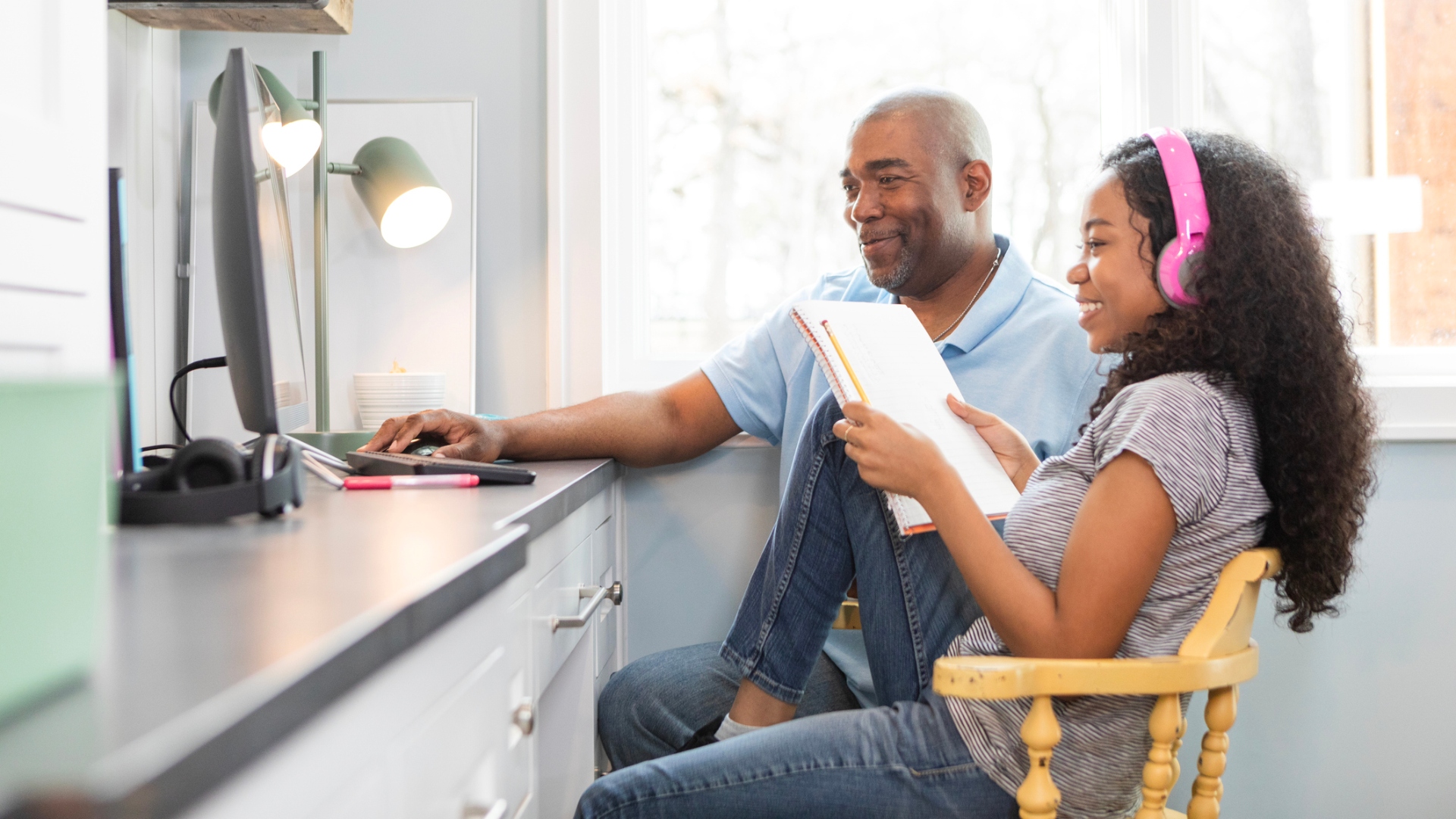
It’s no mystery to parents that babies and toddlers thrive on structured days, but this basic understanding is backed up by plenty of child-rearing experts. According to Seattle Children’s Hospital, routines and rituals keep kids feeling safe and secure. The same institution notes that this remains true from day one through to the day they leave the nest. Something that I think gets lost in this common refrain is how a relatively rigid daily life structure and rules help parents just as much as kids.
My wife and I have taken this approach on sleep training via the cry it out method, which is challenging but ultimately rewarding. We also kept a firm stance when the kids were young and learning to eat solid food with the “no thank you bite” or corrected them biting their siblings with the unpleasant vinegar and paper towel method recommended to us. Because nobody wants a biter.
This has carried through into the teenage years as their independence has grown, but structure still is necessary. The dishwasher gets emptied before school, the phones live in the kitchen overnight, and the toilet gets flushed after any kind of use.
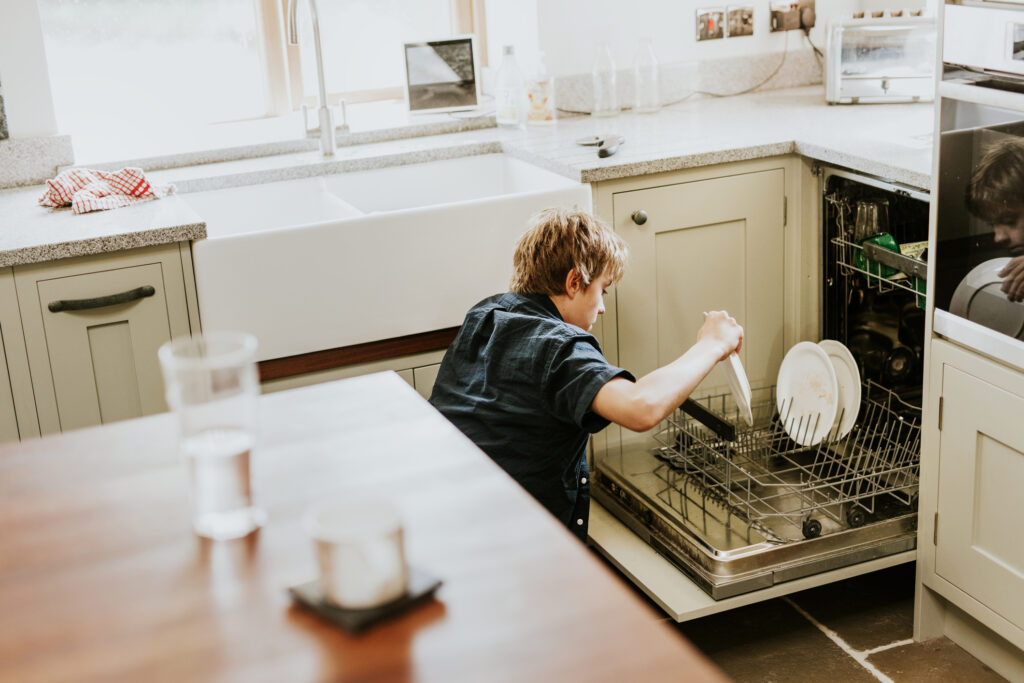
There is plenty of sighing and moaning, but generally speaking, the job gets done. We’re largely on time, we usually have all the things that a family needs to do all the things, and the children are mostly fed and rested … mostly. Much of which I would chalk up to having structured days.
I’m not sure my kids would use the words “safe” and “secure” to describe the upshot of this mentality, but I can absolutely tell you that my mental, emotional, and physical well-being is safer and more secure as a result. The truth is, my head would likely spin right off my neck, given the madness that is raising children, were we not so structured.
All that said, there’s an equally important other half to this equation — letting the kids figure it out for themselves. As youngsters, that would be called free play. As older kids, you might call it unstructured and they might call it boredom. Regardless of the phrase, this approach “helps kids build resilience, flex their creative muscles, and engage organically with their peers,” according to the American Psychological Association.
In other words, we give our kids the framework of what’s going to and expected to happen each day but let them take it from there. When they were little, it might have meant a hard no-screens policy for a certain stretch of time, with the option to be as bored as they wanted. These days, it’s best represented by my favorite phrase: “Use your best judgment.”
My point is that a blend of structured and hands-off parenting has worked really well in our household. Eating, sleeping, schooling, and getting the various things done properly are a must. How exactly the rest of life happens is largely left up to the kids.