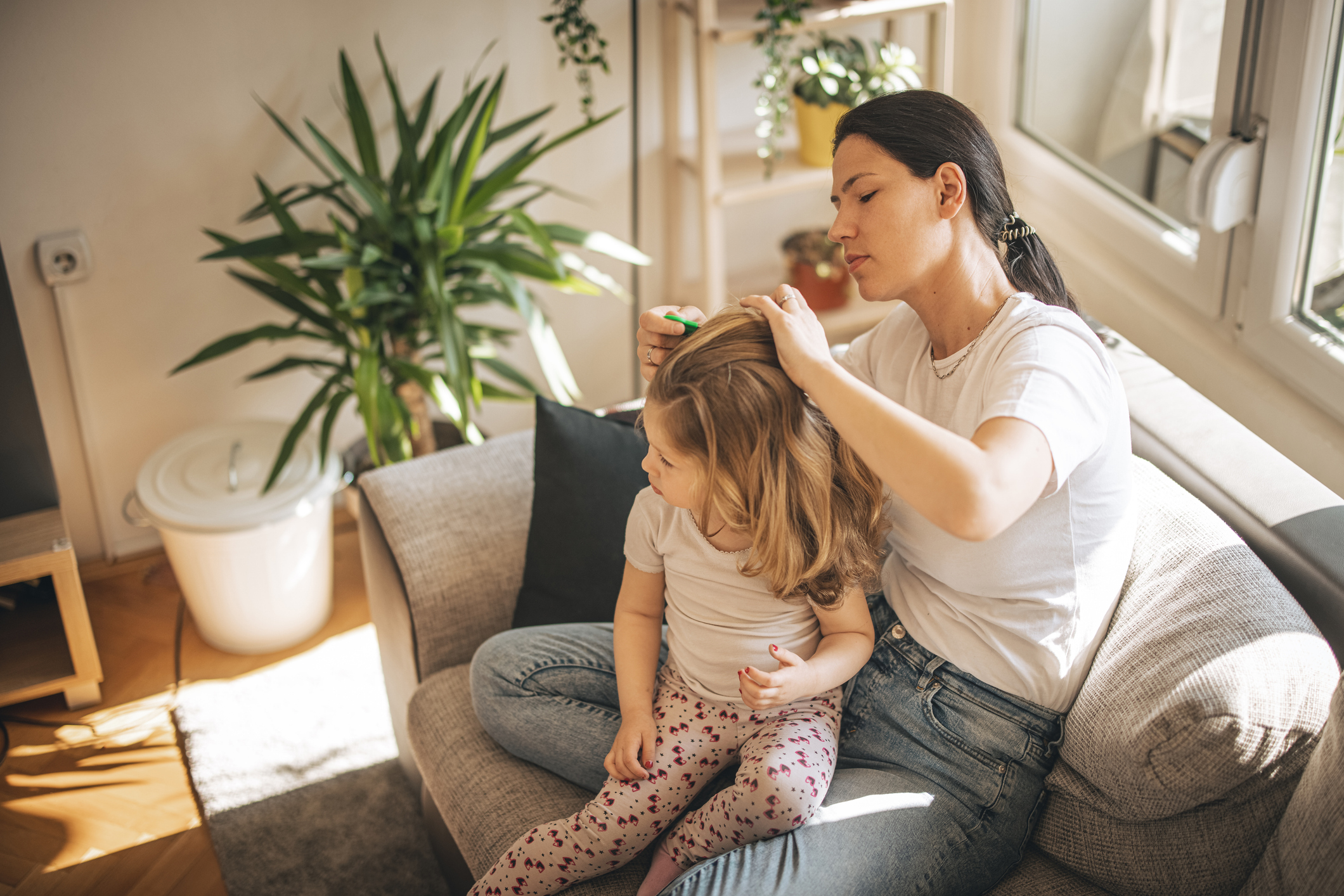
We were getting ready for another busy summer camp morning when it happened. I went to comb my daughter’s hair, and spotted something white moving in her hair.
Startled, I dropped the brush and felt the fear grip my stomach. It couldn’t be…could it?
Unable to face looking for myself, I slowly walked her out to the kitchen, where my husband was preparing breakfast for the other kids, and asked him to look. His face confirmed my worst fear as a mother. For the first time in our 14 years of parenting, lice had entered the chat.
I’d like to tell you that I handled our first bout of lice well, but with five kids in the house, I went into full panic mode. I was ready to burn everything and anything down to get rid of it. But here’s the surprising thing that I learned: lice are not as terrible as you think. Truly. Here’s why everything you probably think about lice is wrong, just like I did.
Lice actually don't spread that easily.
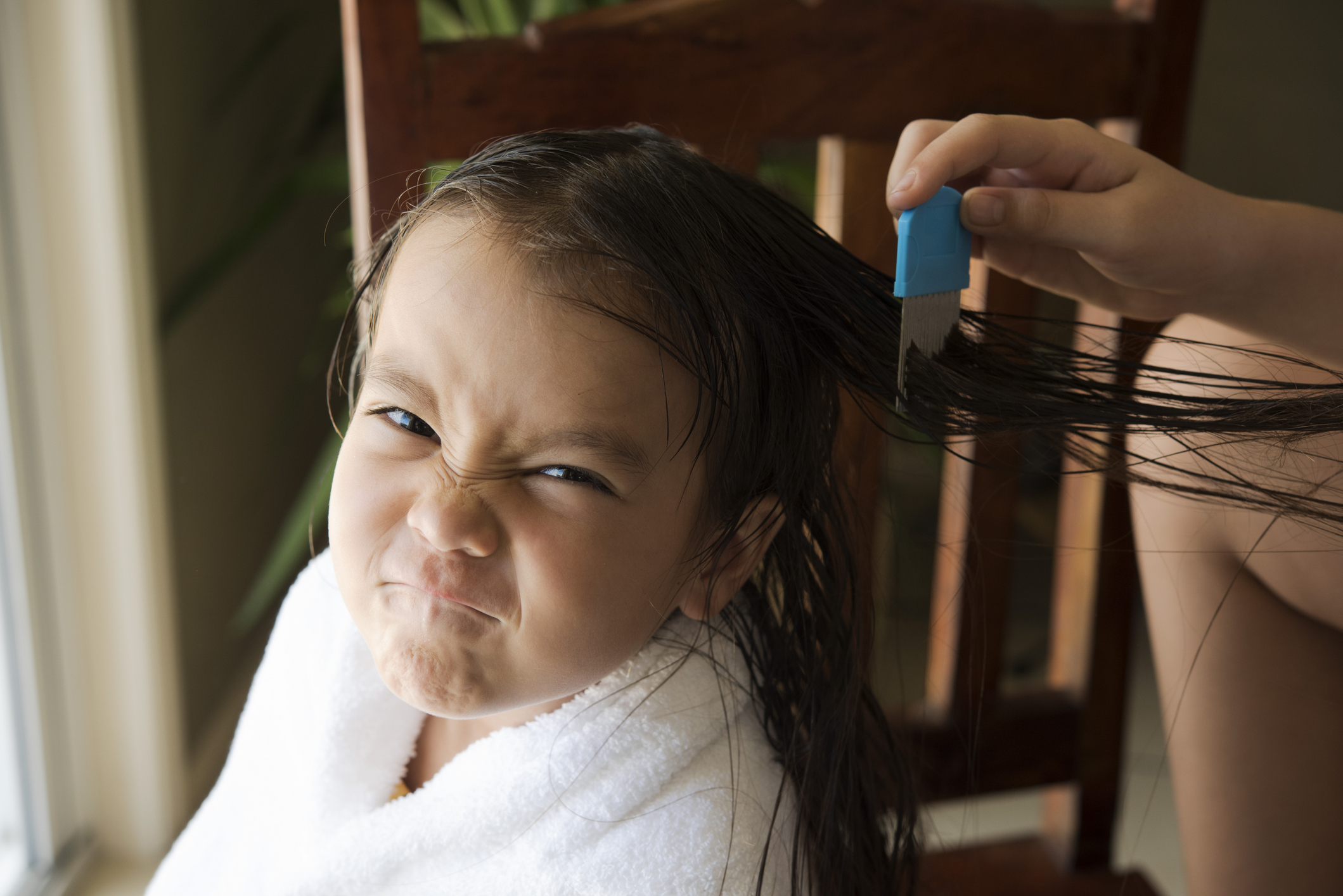
Okay, obviously, lice can spread, but the lice expert we worked with assured me that spreading lice is not as easy and carefree as most people think. Once lice find a good host (aka, your child’s head), they want to stay put to maintain their food supply. So they aren’t going to jump from head to head willy-nilly.
I have anecdotal proof she is right: of my five children, only one had lice, and no other child got it. The child who had lice had lice in every stage of their life cycle (I know, it’s gross, I’m sorry), meaning she had had the lice for weeks without me noticing. (Again, I know, and I don’t know how I didn’t notice earlier!) That means there had been plenty of time for the lice to spread around to all of us, but it had not. Additionally, my niece had spent the night with my lice-infested child the night before I found it, and they had even shared a pillow, and that niece never developed lice either.
Case in point: if you find it, don’t panic! It is possible to contain it.
You don't need to burn your entire house down.
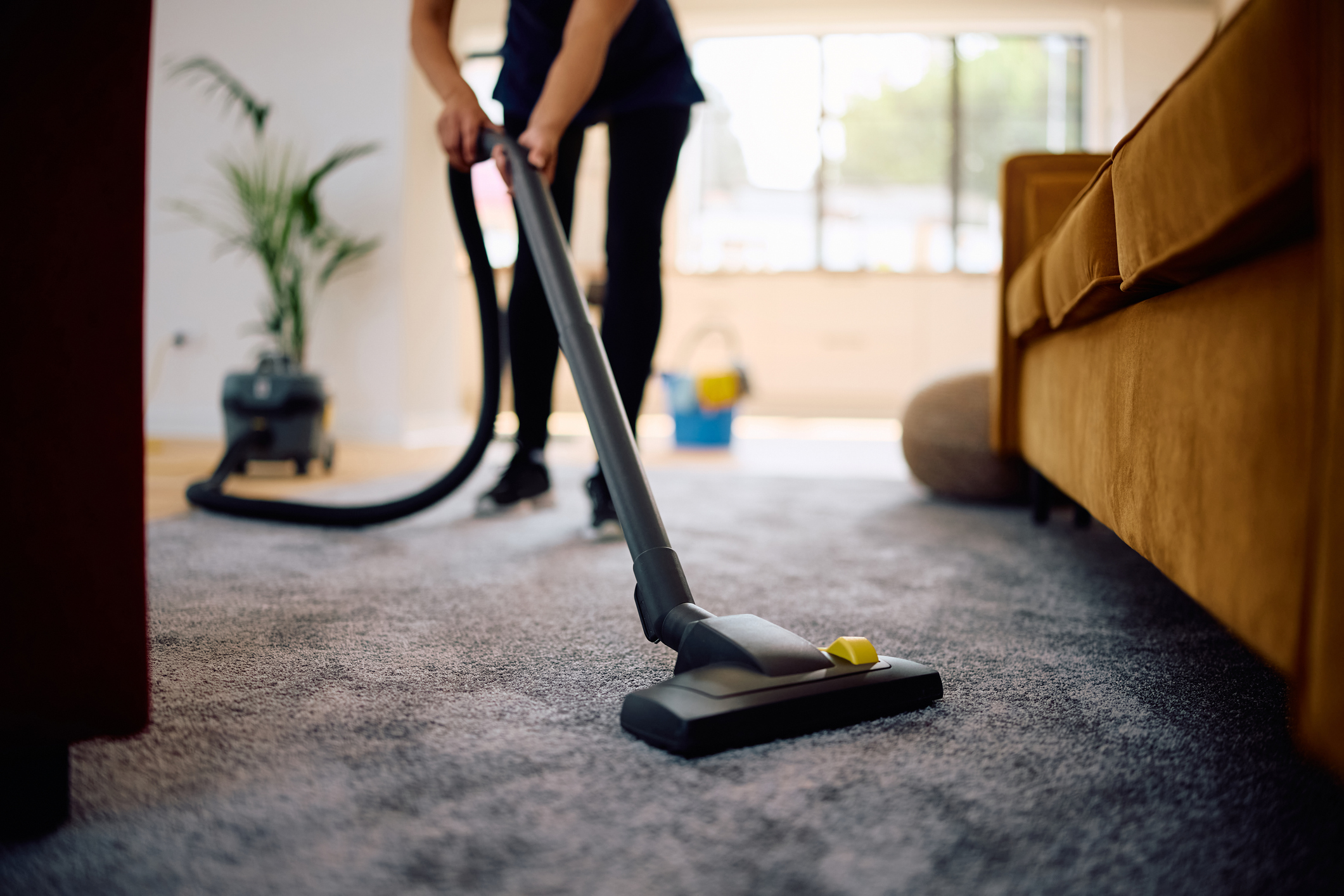
I admit, this was my first reaction. I even threw out my daughter’s beloved giant stuffed unicorn in a panic. But Joanna Shu, CEO & cofounder of Cartwheel, an at-home lice removal kit, says parents absolutely “do not need to turn their homes upside down” when they find lice.
She explains that head lice survive best on the human scalp, and according to the Centers for Disease Control and Prevention (CDC), adult lice cannot live more than two days without a food source. “Basic cleaning of frequently used items, bedding, and brushes is reasonable, but extensive household decontamination is usually unnecessary,” says Shu. “This is one area where parents often spend significant time and energy without substantially improving outcomes.”
Focus on treating the lice, not the environment.
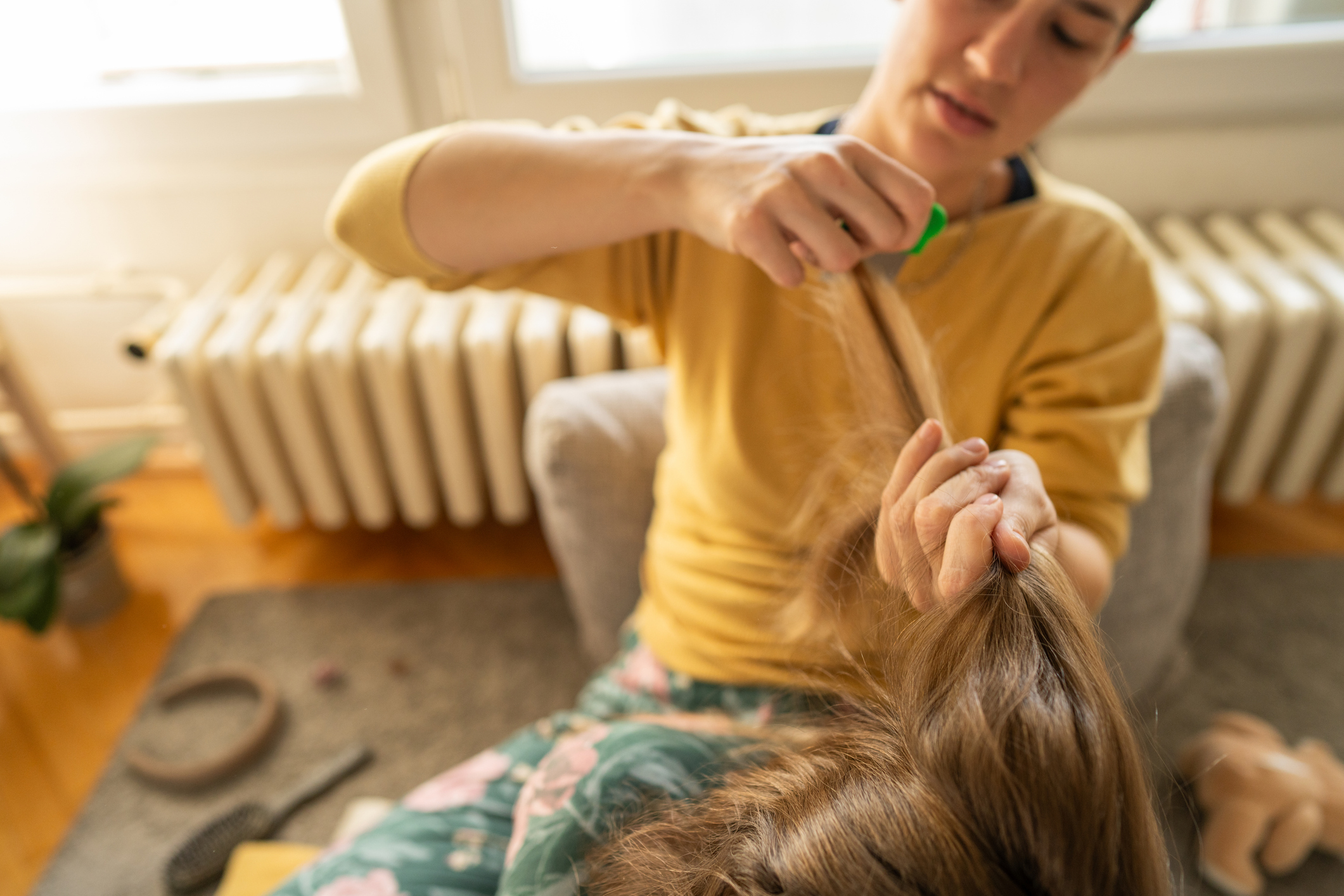
To Shu’s point, she adds that many families spend far too much time deep-cleaning their homes when their primary focus should be eliminating the lice from the hair.
“Parents often go immediately into crisis mode, but lice are not dangerous and do not spread disease,” she continues. “The first step is to confirm that you’re actually dealing with an active infestation. Many parents mistake dandruff, lint, or old nits for live lice. Once lice are confirmed, choose a treatment plan and begin treatment promptly.”
For items that have come into contact with the lice, the quickest option is to wash items at 130 degrees and dry them at high heat.
You don't necessarily have to go to the doctor for lice.
Incidentally and perhaps ironically, the same week I discovered my child had lice, my household also got hand, foot, and mouth disease and strep throat, all at the same time. As a result, I had to haul all the children into the doctor’s office to get antibiotics for the strep throat, so of course, I mentioned to the nurse practitioner we were also dealing with lice to see if there was anything we could do. The only thing she offered me was pure horror at dealing with us, and she immediately donned a face mask, glove, and gown.
The point is: you are not required to see a healthcare provider, but fortunately, most over-the-counter at-home treatments are effective.
Treating lice is easier than you think.
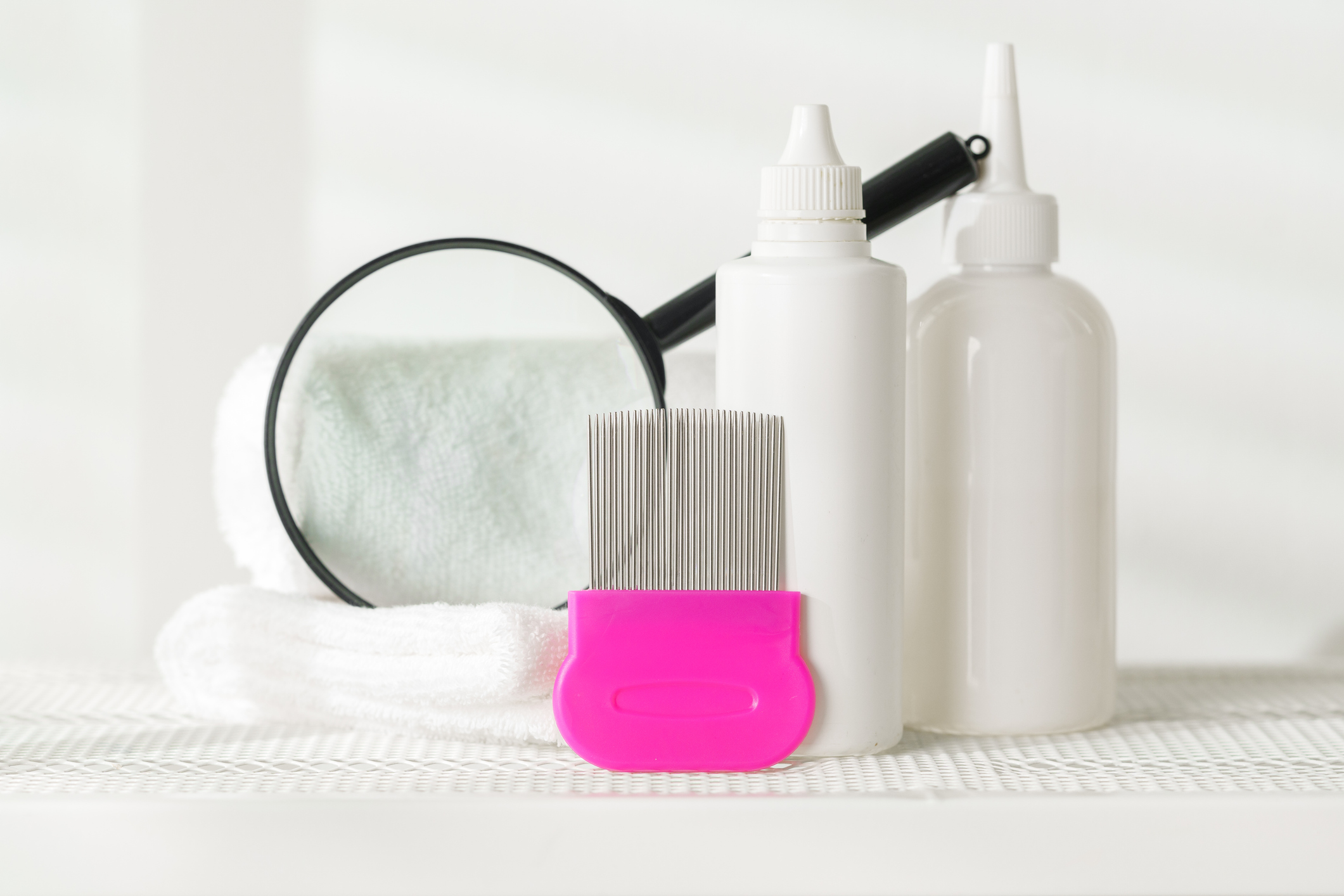
I was terrified of the work involved in treating lice, but Nicole Carpenter, pest control expert and President at Black Pest Prevention, in Charlotte, NC, explains that eliminating lice can be as simple as a good lice comb and one FDA-approved treatment product.
“The sooner you start treatment and combing, the better, because this gives lice less time to spread,” Carpenter explains. She recommends the following steps, which are backed up by the CDC’s advice:
- Wash all items and clothes used by the infected person in the two days before treatment in hot water and high heat drying.
- Anything you can’t wash, put into sealed bags for at least two weeks.
- Use a fine-tooth lice comb to remove live lice and nits once every two days for the next three weeks
- Buy an FDA-approved lice treatment product and apply it exactly as directed on the label.
- Use the product designed specifically for head lice and repeat as often as needed.
'Super' lice do exist.
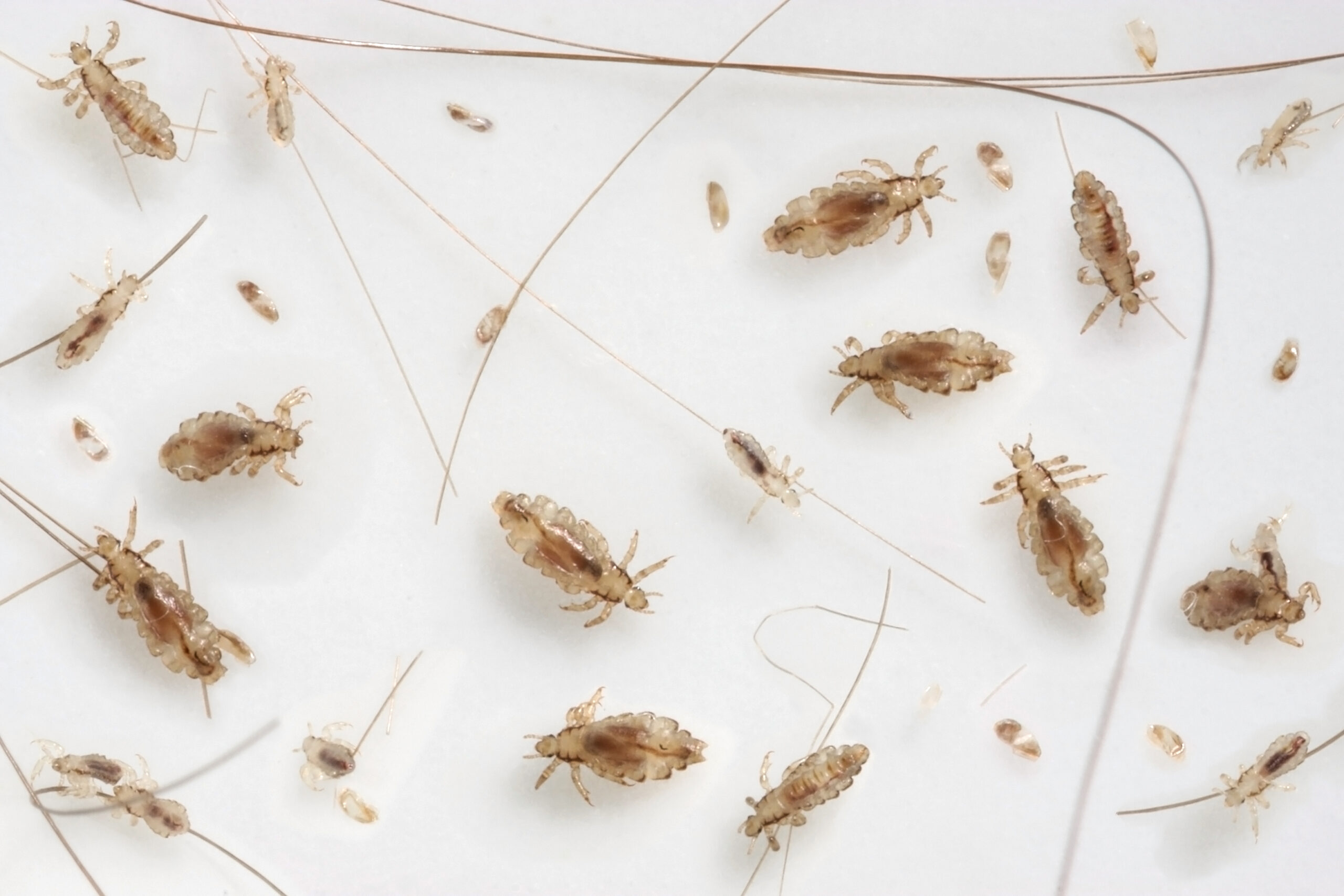
In that same breath, unfortunately for all of us, “super” lice, which are lice that have developed resistance to some commonly used chemical treatments, do exist. “They’re not larger, stronger, or more dangerous than regular lice,” Shu explains. Super lice simply refer to some lice populations that have developed resistance to certain chemical ingredients that were commonly used for decades.
If the OTC treatment does not work, in that case, it may be best to consult a healthcare provider or call a lice expert. But when in doubt, plain ol’ hand removal always works best. The fewer lice, the less they can spread or hatch more.
Home remedies don't work (really).
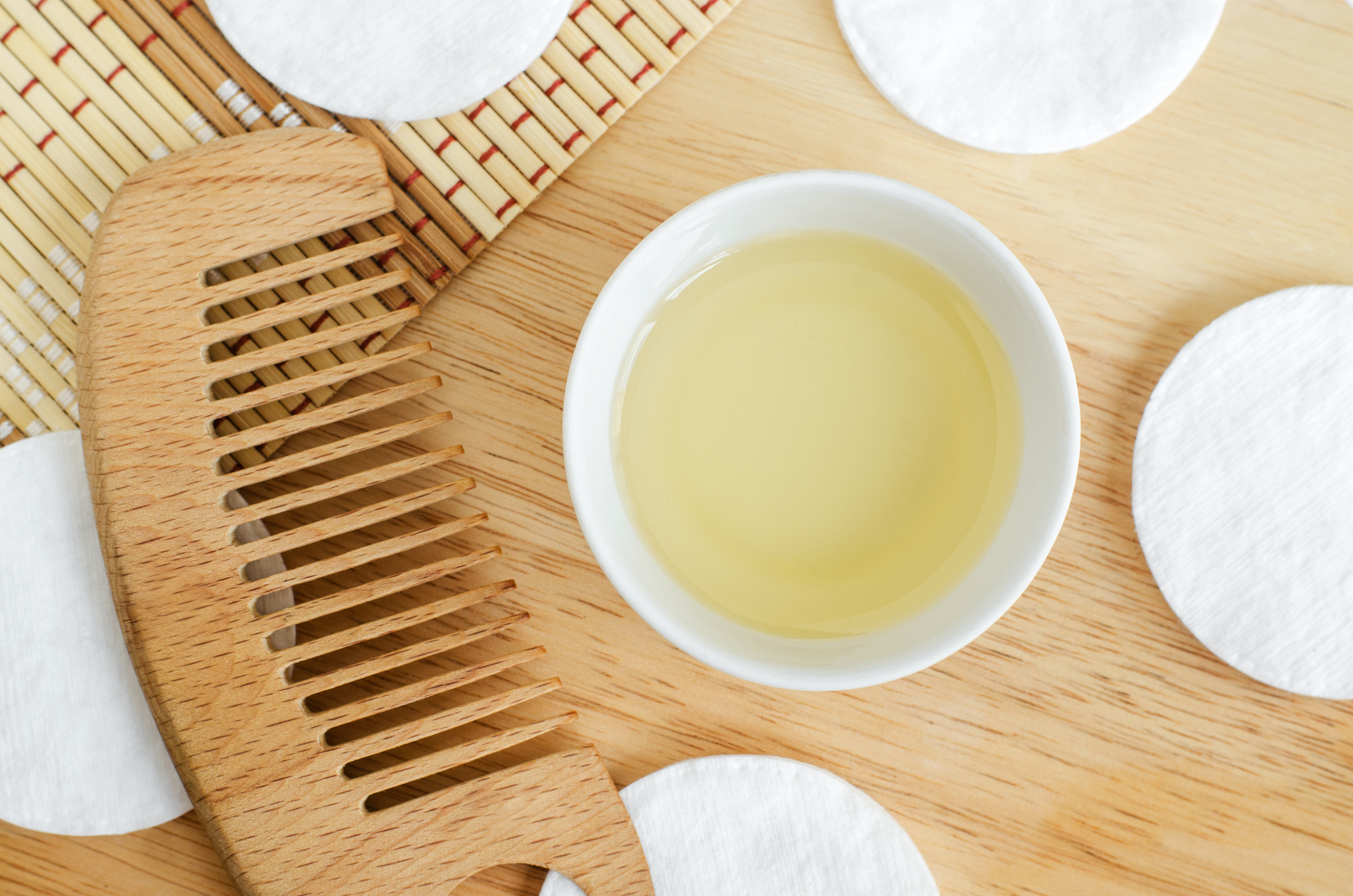
Many of us may remember our own mothers slathering our heads in mayonnaise for a “beauty” treatment at some point during our youth (just mine?), but both experts we spoke to cautioned that there is just no evidence that home remedies like olive oil or mayo will help. They can be messy, burdensome, and unfortunately, ineffective, so it’s best to stick with FDA-approved treatments whenever possible.
“Home remedies like olive oil, mayo, or just a regular hair conditioner can help with combing, but they won’t kill lice,” says Carpenter.
She recommends sticking to one FDA-approved treatment, like lice shampoo, and following all directions for use. “You usually don’t need to use multiple treatments at the same time unless a doctor tells you to, so it can be a shampoo, lotion, or cream rinse,” she adds.
Lice has literally nothing to do with being dirty.

This should go without saying, because this old misconception about lice has fortunately been corrected many times recently, but just in case, let us be clear: getting lice has nothing to do with being “dirty” or having unclean hair.
“There are no specific conditions that make some people more susceptible to lice than others,” says Carpenter firmly. “Lice don’t need poor hygiene to survive and reproduce. All they need is access to a human host, no matter how dirty the hair and scalp are. Dirty hair, dirty clothes, and dirty homes are not the ‘perfect condition’ for lice because all lice need is access to a human host, because they survive by feeding on small amounts of blood from the scalp.”
You don't need to suffer for weeks at home.
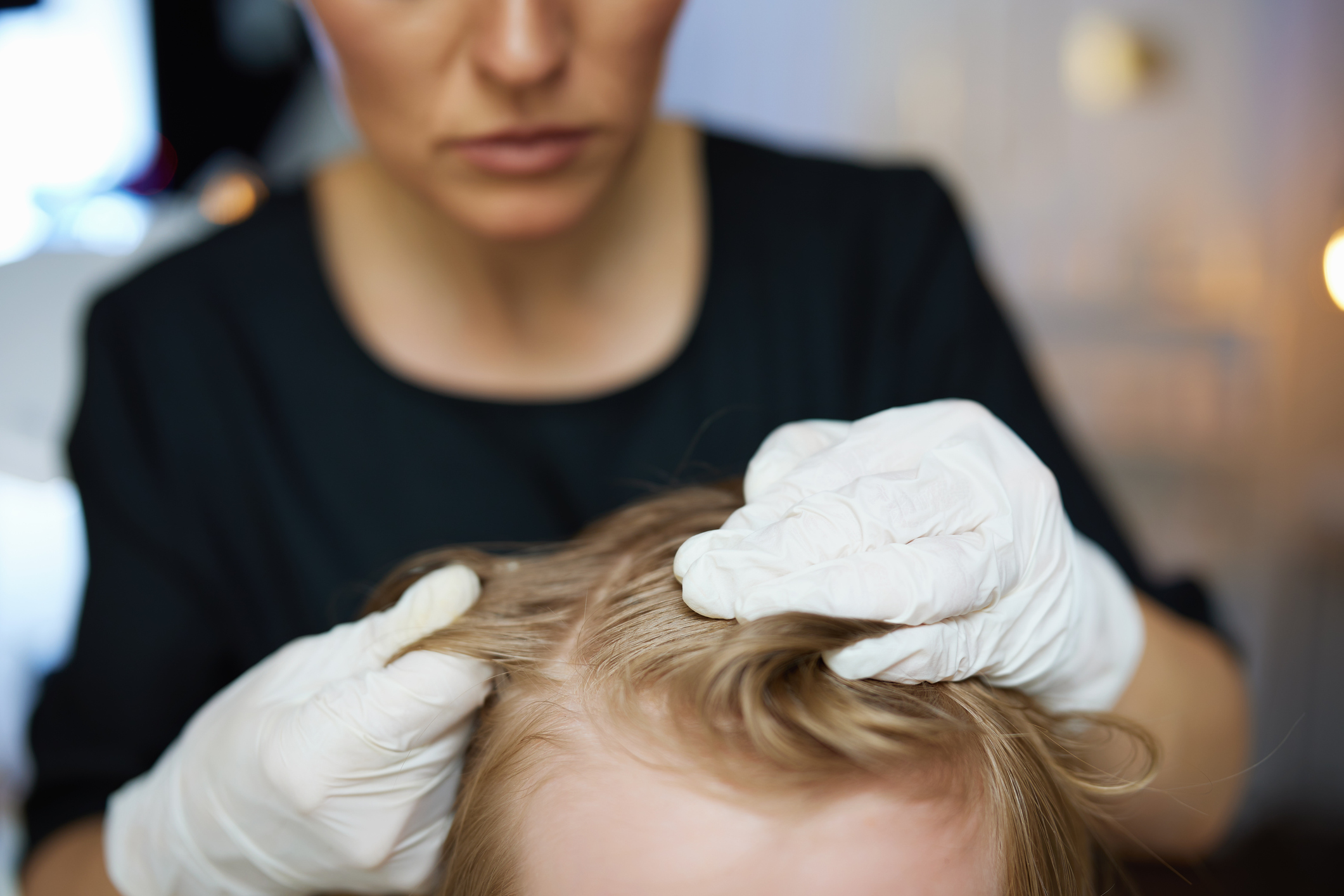
I end on this note, because I want every parent who can access it and afford it: you can pay an expert to remove all of the lice from your child’s hair in less than an hour, and it is 1000% worth it. It’s not a guarantee, but in our case, it was truly a one-and-done situation. I googled, found a lice removal boutique near us, begged for an emergency appointment, and hauled six of us over there.
The lice removal professional was so kind, professional, and explained to us that lice is not as scary or easy to “catch” as most people think. She calmly removed the lice from my daughter’s hair, treated it, checked all of us for lice, too, and then recommended an at-home solution to use to kill any lice eggs that may have been laid. We all used the solution that night, then repeated it in a week (lice eggs take about a week to hatch), and our lice journey was over, as simple as that, with no other infestations.
Also, if your head is now itchy after reading all this, same, and I’m sorry. But the takeaway is, lice are harder to catch than you think, it has nothing to do with being “dirty,” and if your child has it, don’t panic!