
It’s something that so many parents are extra cautious about because the very idea of it immediately causes a rush of alarm bells to go off. Recently, when I was hanging out at home, my baby fell off the bed. It all happened so fast. One second he was on the bed, the next he wasn’t. I heard the dreaded thud before I even registered what was going on. I picked him up and he was screaming — and then he stopped screaming — and I didn’t know which one was worse! I Googled everything I could think of while holding him and got 40 different answers.
I didn’t know if I was supposed to go to the ER, or watch him, keep him in my arms, or try to keep him awake for as long as possible. Nobody could have predicted this was going to happen, and there was nobody to tell me what to do when it did.
If you have lots of questions, just like I did, and you’re looking to keep those definitive answers close for the time when your baby falls off the bed, I’ve covered all the important details. Plus, I also reached out to a pediatrician for some firsthand advice about baby concussions and head injuries from an expert who works in the field.
My baby fell off the bed — what do I do?
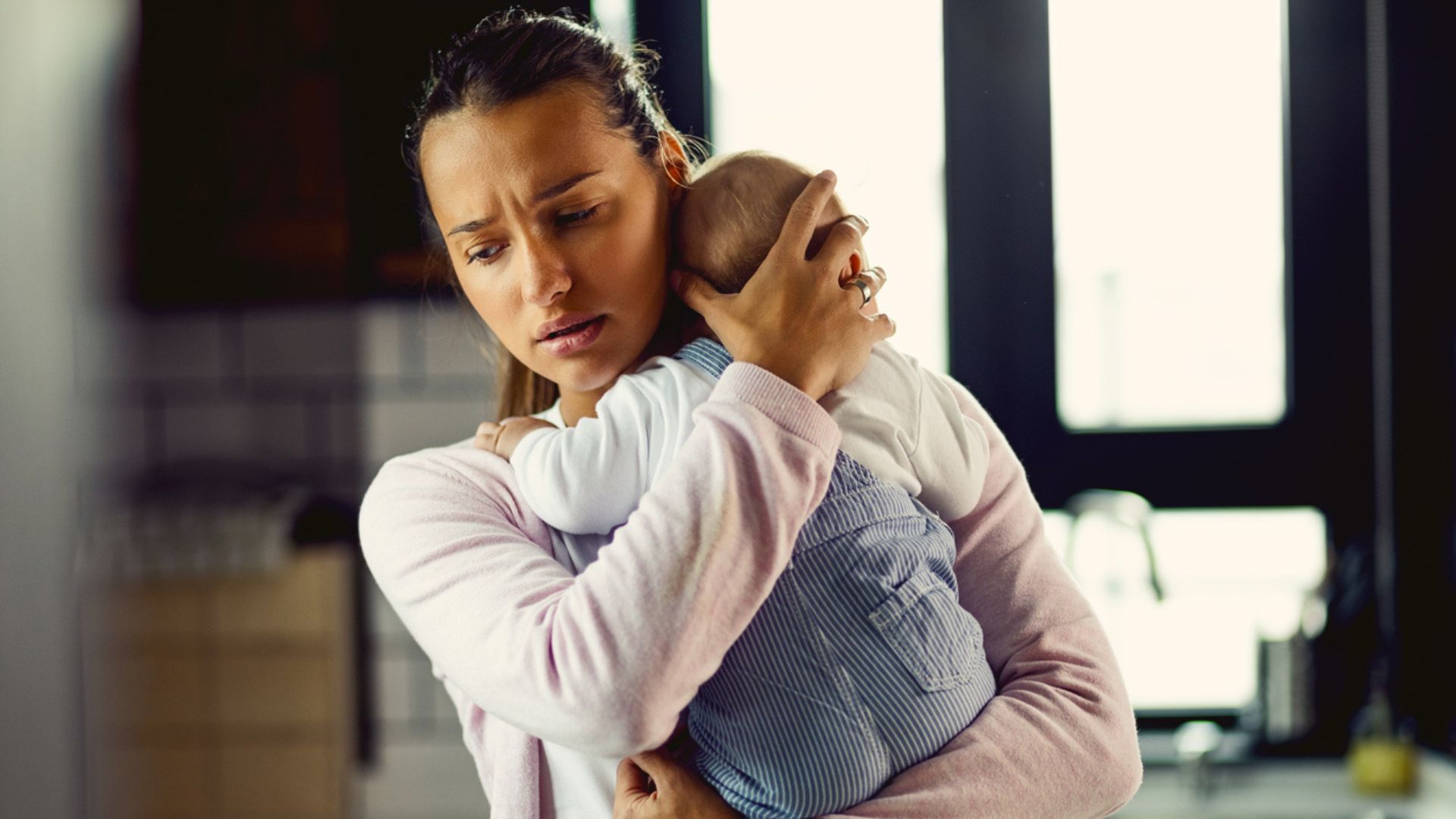
For some parents, all it takes is looking away for a split second for an accident to occur. That’s exactly what can happen when your baby falls off the bed. Something important to keep in mind, especially in the moments after when you’re really beating yourself up, is that it’s actually a fairly normal thing to happen.
According to Cleveland Clinic Health Essentials, it’s “very common” for babies to fall from high surfaces, even those who don’t necessarily know how to “purposefully roll yet.” The health organization explains that though it may be your initial instinct to grab your baby and head directly to their doctor’s office or the ER, it’s important to take a moment to breathe and properly evaluate things.
Luckily, there aren’t a ton of traumatic injuries that come from a baby falling off the bed due to the height, how they fall, and the fact that a baby’s skull is extremely resilient. It is important, though, to watch out for signs of a concussion over the next 24 hours if they hit their head as well as any signs of a broken bone. Cleveland Clinic does warn that if your baby is showing signs of a major head injury, they may have hurt their spine or neck, so as difficult as it may be, you should call for help and avoid picking them upright to comfort them.
If your little one has a seizure after they’ve fallen off the bed and hit their head, this is when you want to call 911 for emergency professionals to come and properly assess your baby. If your baby cried some and they appear to be alert and acting normal, you can likely wait things out at home and assess any symptoms or call their pediatrician for a quick phone appointment.
Baby fell off the bed and hit their head — when should I go to the ER?
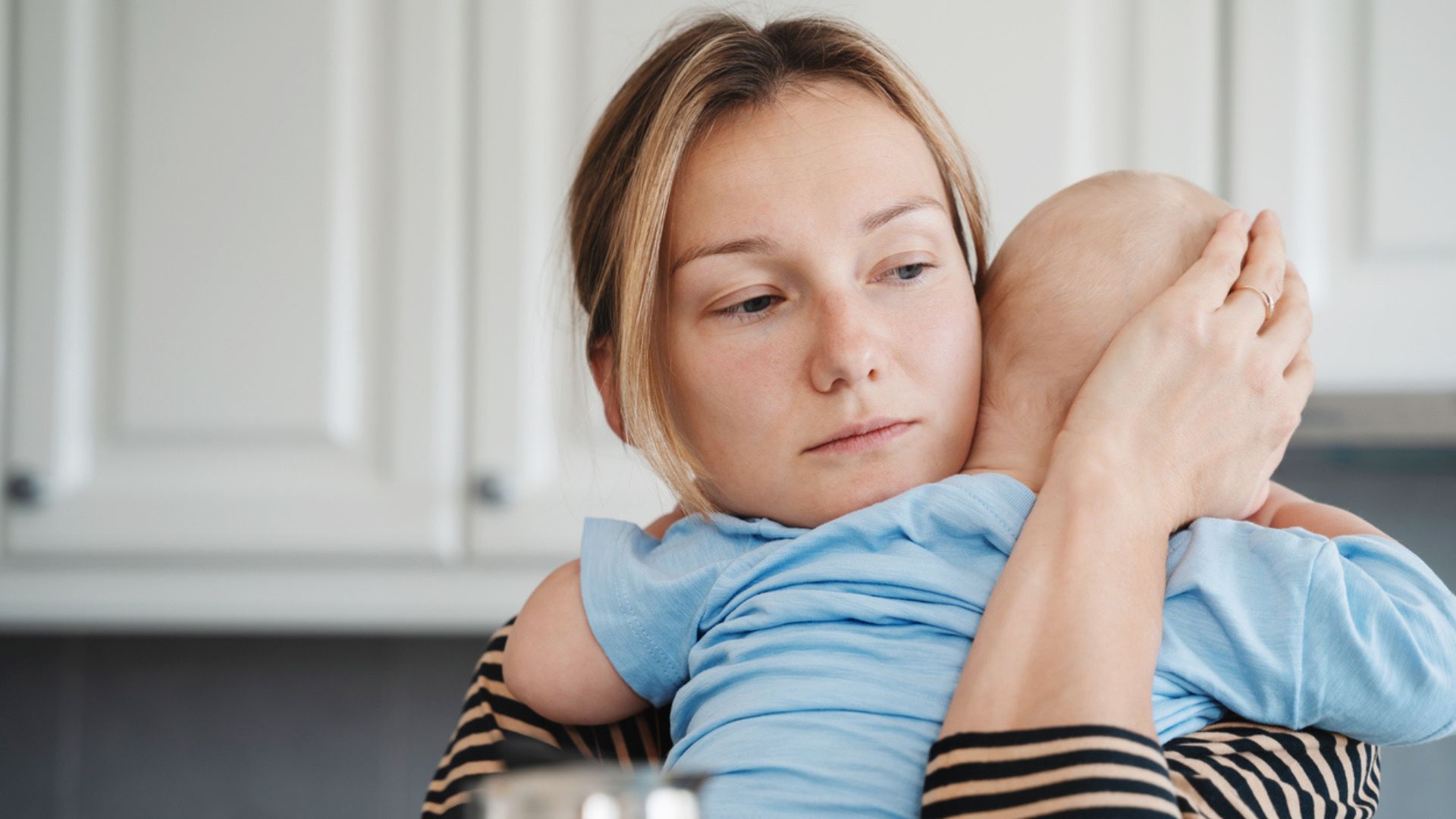
Dr. Christina Johns, who is a licensed and double board certified pediatric physician, advises parents that if they are concerned after their baby has fallen off the bed and hit their head, it’s best to take their infant to get care. She clarifies that it’s a doctor’s job to “evaluate, diagnose, and most often reassure” parents. “Taking your baby into their pediatrician can be an excellent source in helping you triage next steps after a fall,” she says, “because not every situation warrants a visit to the emergency department.”
Again, if your baby is alert and not showing any serious symptoms — like swelling to the head or vomiting — you don’t need to take them in for an unnecessary visit to the emergency room, which could include extensive waiting and possible exposure to airborne illnesses.
Baby fell off the bed — do I need to call 911?
According to Medical News Today, if your baby fell off the bed, you should immediately call 911 without picking your baby up if you observe any of these red flags:
- If they are bleeding profusely.
- If your baby has lost consciousness.
- If you think your baby has suffered from a major head injury.
Dr. Christina Johns explains that if your baby has experienced a mild fall, they can be evaluated at pediatric urgent care, at their pediatrician’s office, or even with a phone or telehealth appointment. However, she advises that if your baby is experiencing “ongoing vomiting, has lost consciousness (however briefly), is not acting like themselves, is difficult to arouse, or has a large bruise on their head,” it’s worth it to seek medical care.
What are the signs of a concussion in a baby after a fall?
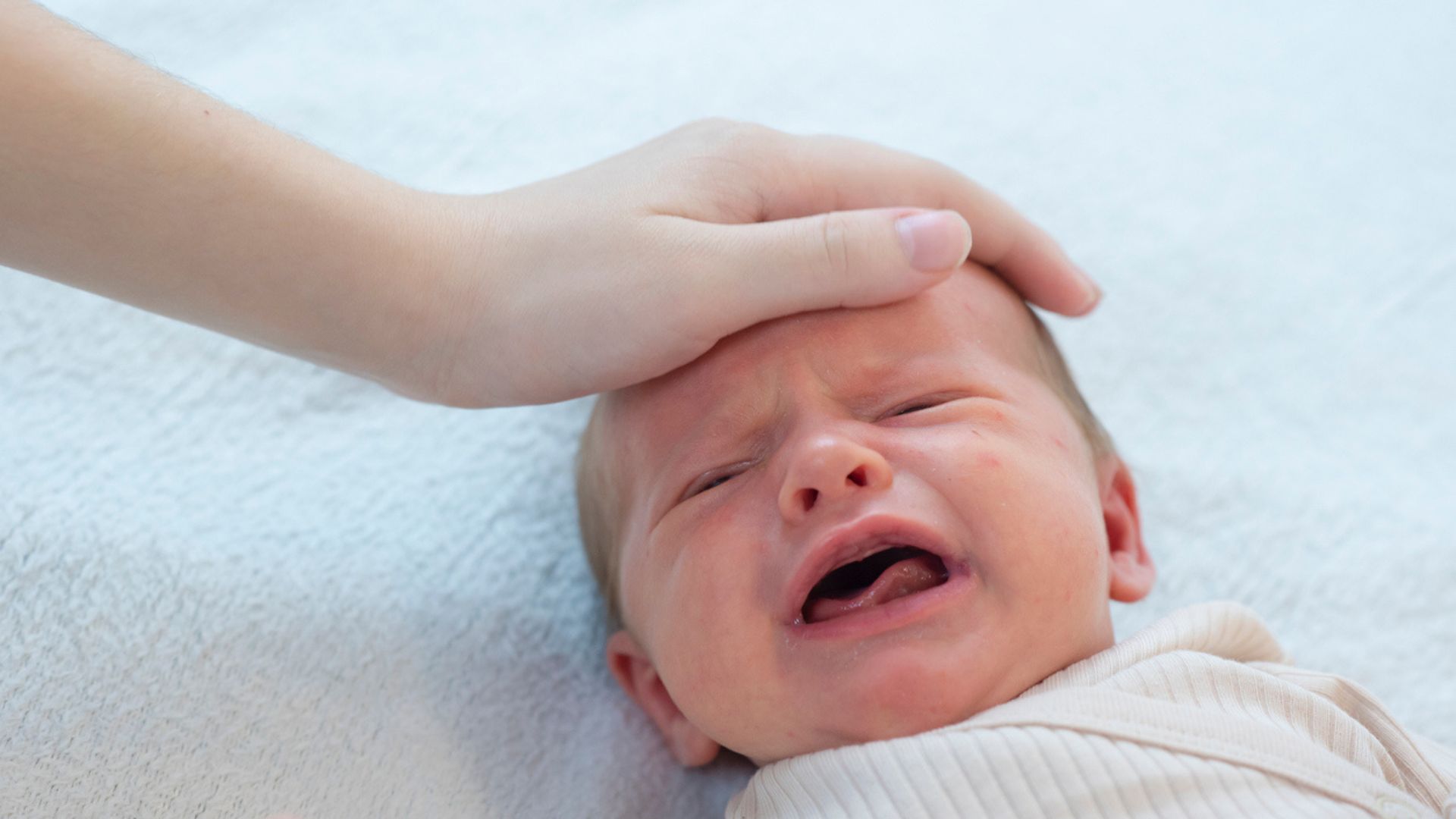
One of the most stressful things that a lot of parents worry about with their babies, especially when they’ve hit their head, is whether or not they have a concussion. It’s also a super stressful thing to manuveur because your little one can’t tell you verbally that their head hurts or they feel off.
Looking at the UCSF Benioff Children’s Hospitals Infant and Toddler Concussion guide, they’ve listed some physical red flag signs you need to watch out for that may signal that your baby has a concussion after they’ve had a fall:
- There’s blood or clear fluid coming from their ears or nose.
- You find a large bump, bruise, or swelling on their head.
- You spot repetitive motions that look like seizures or their eyes are going to one side.
- They’re inconsolable and unable to calm down.
- You can’t seem to wake them up.
- They’ve persistently been vomiting.
- You can see any of these symptoms worsening.
As far as their mood and sleep is concerned, they also note that you might notice some changes there if they have a concussion. For instance, you may notice more irritability or even behavioral changes where they are no longer interested in their favorite activities. Their sleep schedule could also be off as they might experience trouble sleeping, drowsiness, or sleeping more than usual.
Baby fell off the bed and cried, then stopped — is that normal?
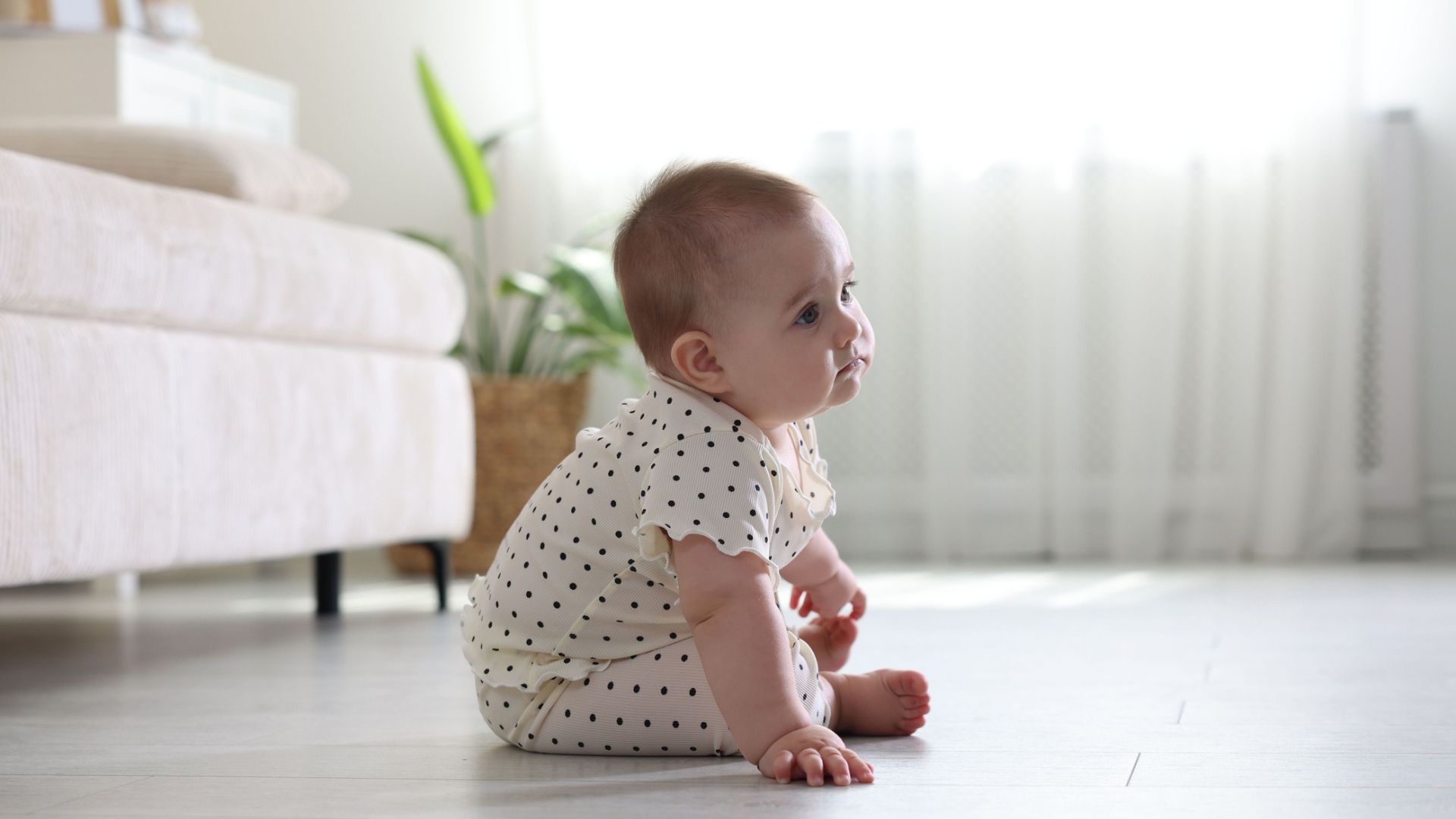
Some parents tend to overthink their baby’s initial response to falling off the bed because it can be alarming to their little body to experience a fall from a height. If you’re worried about what it means if your little one cried at first and then stopped and whether or not that’s actually considered normal in this situation, Dr. Christina Johns advises that “it can be a very normal response.”
“Every individual reacts differently to pain and trauma,” she says, so if you find that your baby is crying and experiencing fussiness after a fall off the bed, that’s normal. If you find that your baby cried directly after and then they were back to their normal selves shortly after the fall, that’s typical as well. Dr. Johns does warn: “Excess irritability should not be ignored and warrants a prompt evaluation.”
Should I keep my baby awake after they hit their head?
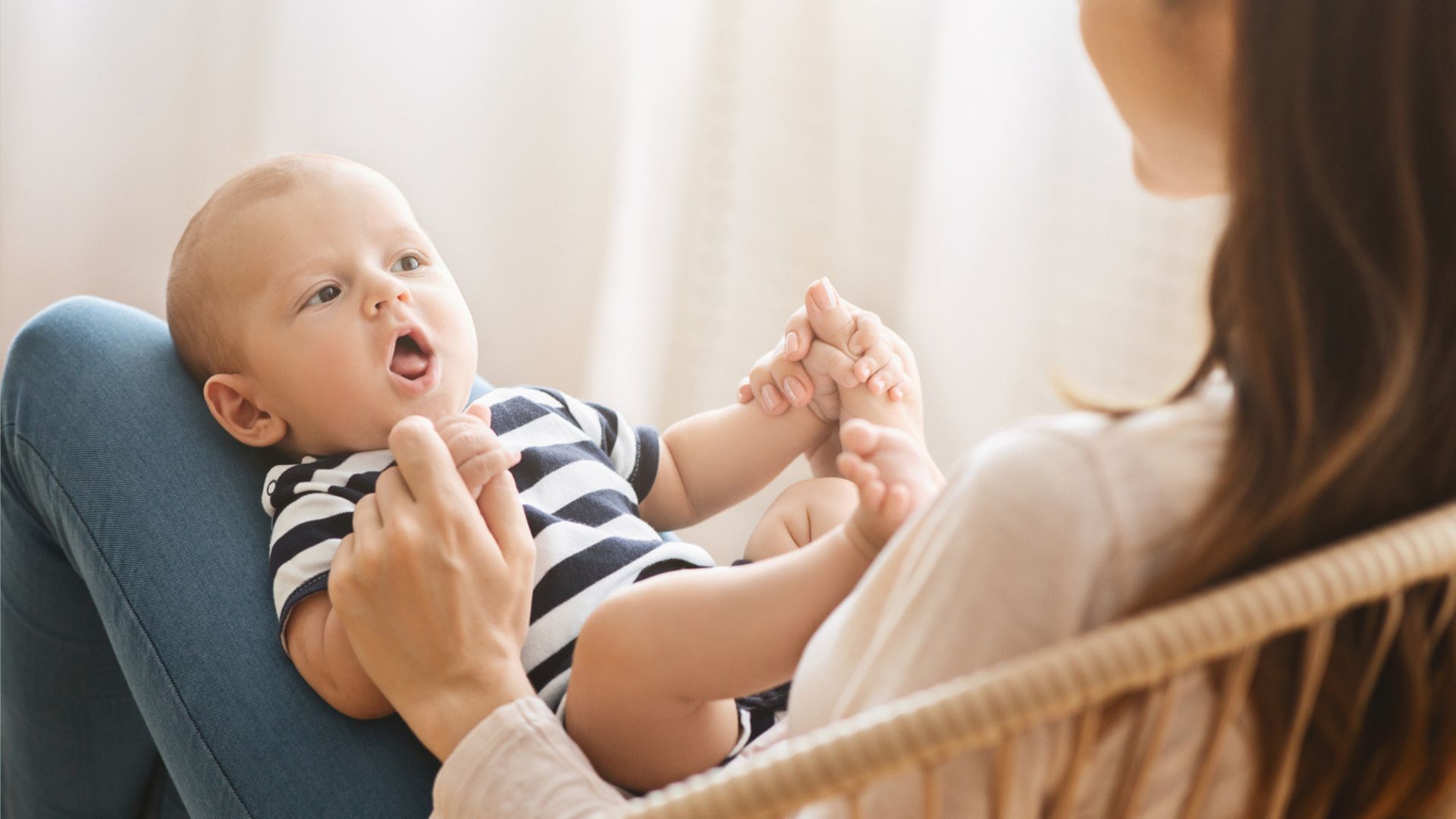
According to Parachute.ca, 71% of concussion injuries in young children are from falls. A lot of parents of babies who have hit their head tend to worry about whether or not their they should try and keep their baby awake because concussions are often referred to as an “invisible injury,” which is only exemplified in a baby who cannot speak.
Dr. Johns, who has been taking care of sick and injured children for more than 25 years, explains that a baby does not need to be kept awake after a fall off a bed. “After a stressful event like that, it’s common for babies to be more tired than they typically are,” she says. However, the pediatric doctor notes that if your baby is having trouble waking up or requires “a lot of stimulation to wake up,” that is something to be concerned about and you should take them to a healthcare practitioner to be evaluated.
Baby fell off a 2-foot bed — is that dangerous?

If your baby has fallen off a 2-foot bed, it’s certainly not something that you want to happen on a routine basis, but it also isn’t a catastrophic event in most cases. According to the Blueberry Pediatrics team, “most short falls under 3 feet onto a soft surface do not cause a serious head injury.”
This team of pediatric healthcare practitioners clarify that if your baby cries at first, that can be a “reassuring sign” because it shows a very normal response to a rather startling physical encounter. It’s only really dangerous if your baby shows loss of consciousness and won’t wake up, begins vomiting, has a seizure, or has any “visible deformity.” Also, they note that if your baby is under 3 months old, it’s worth it to take them in to your pediatrician to be checked.
What should I watch for after my baby hits their head?
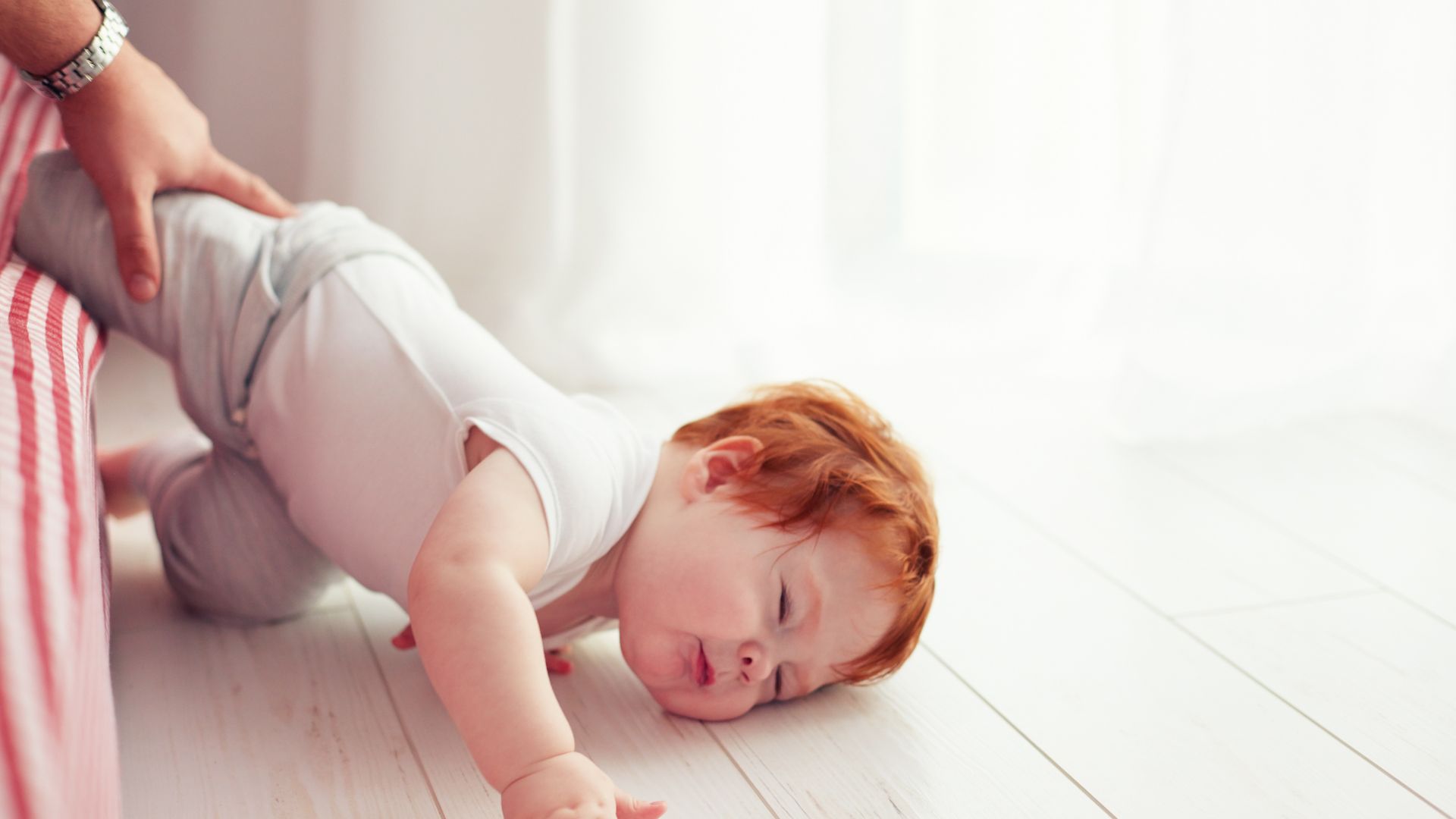
Healthychildren.org recognizes that it can be difficult to recognize signs of a concussion or mild brain injuries in babies and toddlers because they “don’t have the language skills yet to tell you how they feel.” The health organization explains that since most babies and toddlers tend to be “top-heavy” since their bodies are still small and growing, they tend to fall head first.
For younger children, it’s helpful to watch out for “slow changes in their behavior,” which can take you a day or two after the injury, because it might mean they have a concussion. You should also be mindful of any changes to their feeding or sleeping habits and if they’re extra fussy, clingy, or crying a lot.
Dr. Johns reiterates that it’s important to be mindful and notice if your baby is “not acting like they normally do.” This can be key in helping to determine a head injury in babies. Also, she’s always concerned if there is any ongoing vomiting, excessive sleepiness, or irritability after a baby hits their head. Be sure to also watch out for any bumps and bruises anywhere other than the forehead and see a doctor if you spot any of these signs.
Baby fell off the changing table — do I need to call the doctor?
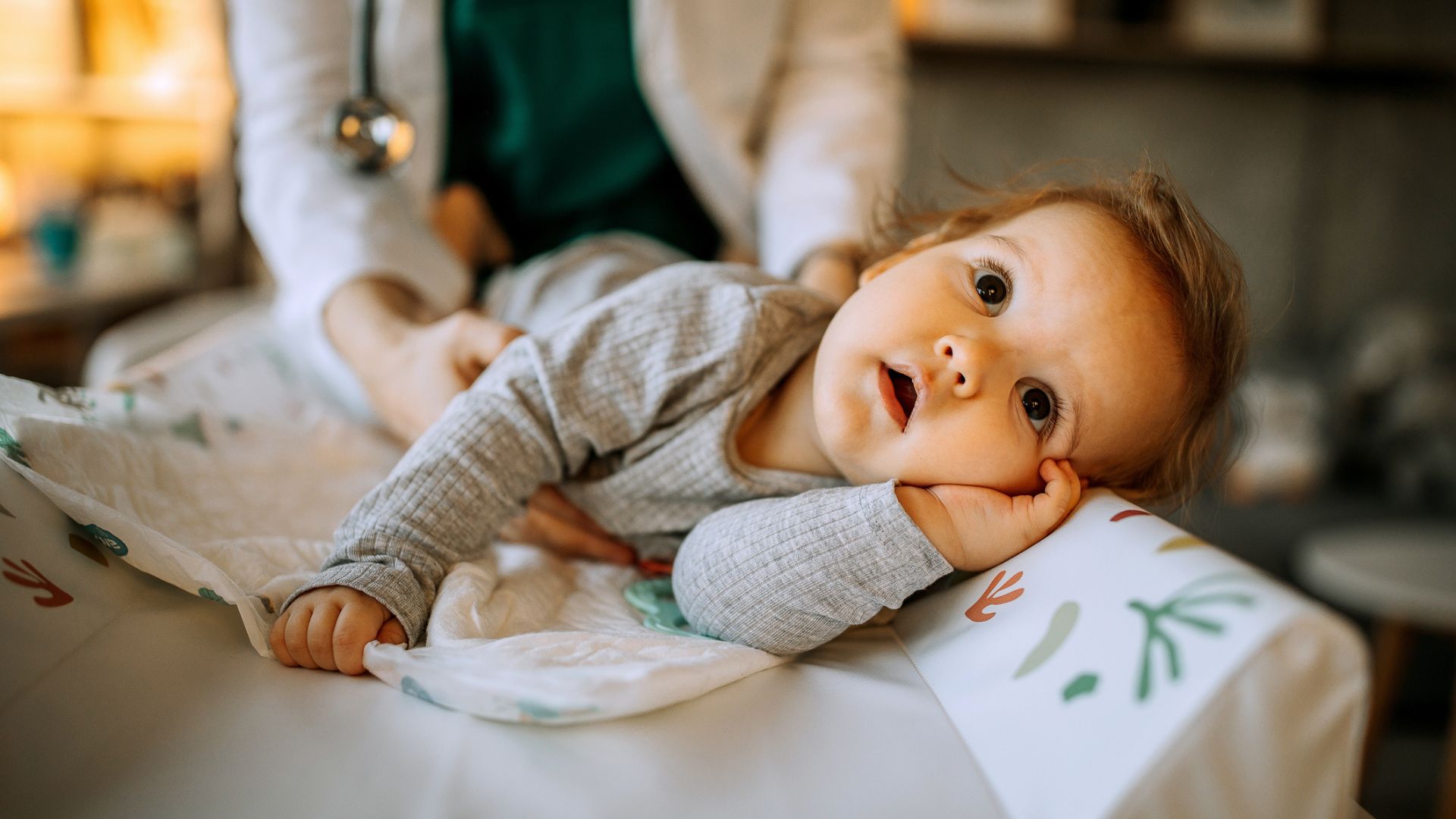
As parents, we’ve all been there when our baby doesn’t want to sit still on their changing table and you’re trying to swiftly and hygienically deal with a dirty diaper. Most of the time, if there’s a quick rollover moment, you’re able to catch them before they take a tumble, but what about the one time when you don’t and they fall off?
According to Miller Children’s and Women’s Hospital Memorial Care, there are three key things to think about if your baby happens to fall off the changing table. The health organization explains that it can be helpful to prevent another fall to determine how they fell in the first place and if you were using the safest method possible while changing their diaper. Secondly, you can stop to ask yourself what surface they landed on. If they landed on a plush carpet or area rug, it’s likely they’re going to be okay. Lastly, you should also examine them to see if they hit anything on the way down.
As it was previously stated, if the fall was 3 feet or less and there’s no sign of a head injury, your baby should recover well. If it was a fall from over 3 feet off the ground, and you can see a visible sign of injury or concern that we’ve previously discussed — like blood coming from their eyes or ears or a bulging soft spot, to name a couple — you should seek immediate medical attention.
How do I know if my baby has a skull fracture after a fall?
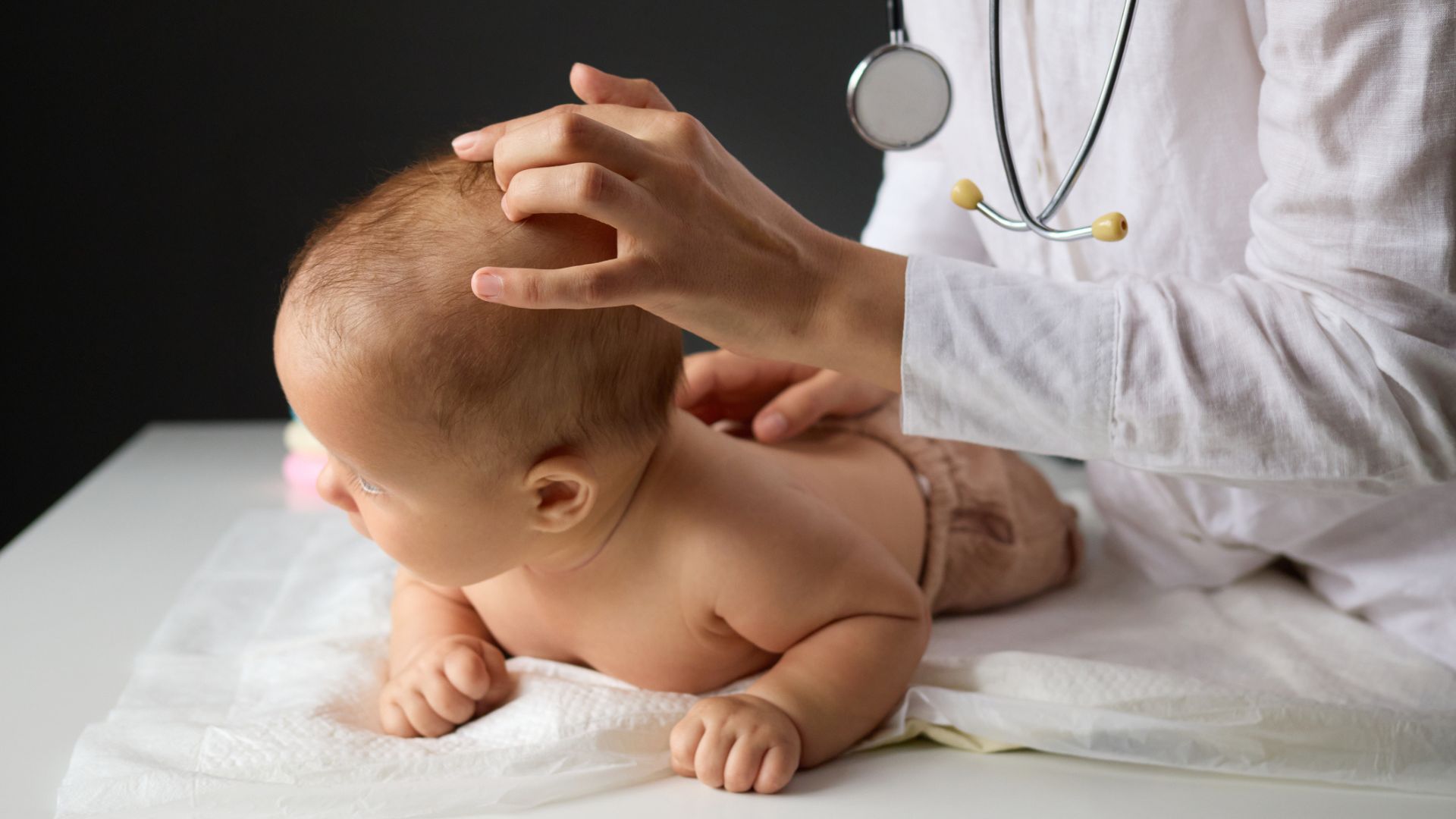
Though it often takes falling from a great height and forcefully hitting your head to result in a skull fracture, it’s always a possibility when there’s a fall.
According to Johns Hopkins Medicine, a skull fracture is classified as a break in the skull bone and there are four major types. A linear skull fracture is “a break in the bone that does not move the bone.” No treatment is necessary as it usually heals on its own. With a depressed skull fracture, “part of the skull is sunken in where the bone is broken.” The health organization explains that this may or may not happen with a cut in the scalp. This type of skull fracture needs surgery to help correct it.
A diastatic skull is “a fracture that occurs along the suture lines in the skull,” which are the jagged lines between the skull bones that grow together (or fuse) as a child develops. This is the type of fracture that’s most often seen in newborns and infants. A basilar skull fracture is a break in the bone at the base of the skull. Johns Hopkins Medicine explains that children with this type of skull fracture will often experience bruising around their eyes and a bruise behind their ear. They may also have clear fluid draining from their nose or ears. This type of skull fracture usually requires the child be watched closely at the hospital.
In terms of physical symptoms to watch out for, the Great Ormond Street Hospital for Children lists these as signs that may signify a skull fracture after a fall:
- Bruising or swelling on the head
- Vomiting
- A lump or dent on the head
- Loss of consciousness
- Confusion (or a change in behavior)
- Clear fluid or blood running out of their nose or ears
- Bruising around the eyes (also known as panda eyes)
Is it normal for a baby to seem fine right after falling off the bed?

Even though that initial panic may quickly set in because you’re worried for your baby after they’ve fallen off the bed, it’s important to remain calm so you can properly assess the situation.
Healthline explains that if your baby seems fine after a fall and they appear to be uninjured, they’re likely going to be just fine. If your baby doesn’t appear to have any physical injuries, you can comfort them while inspecting their head and body. If your baby is under 12 months old, you can always call their pediatrician for some advice or a phone appointment.
If they’ve hit their head and they’re acting fine, it is important to monitor them over the next 24 to 48 hours to be sure no signs of a concussion pop up.
What does a baby's soft spot feel like after a head injury?
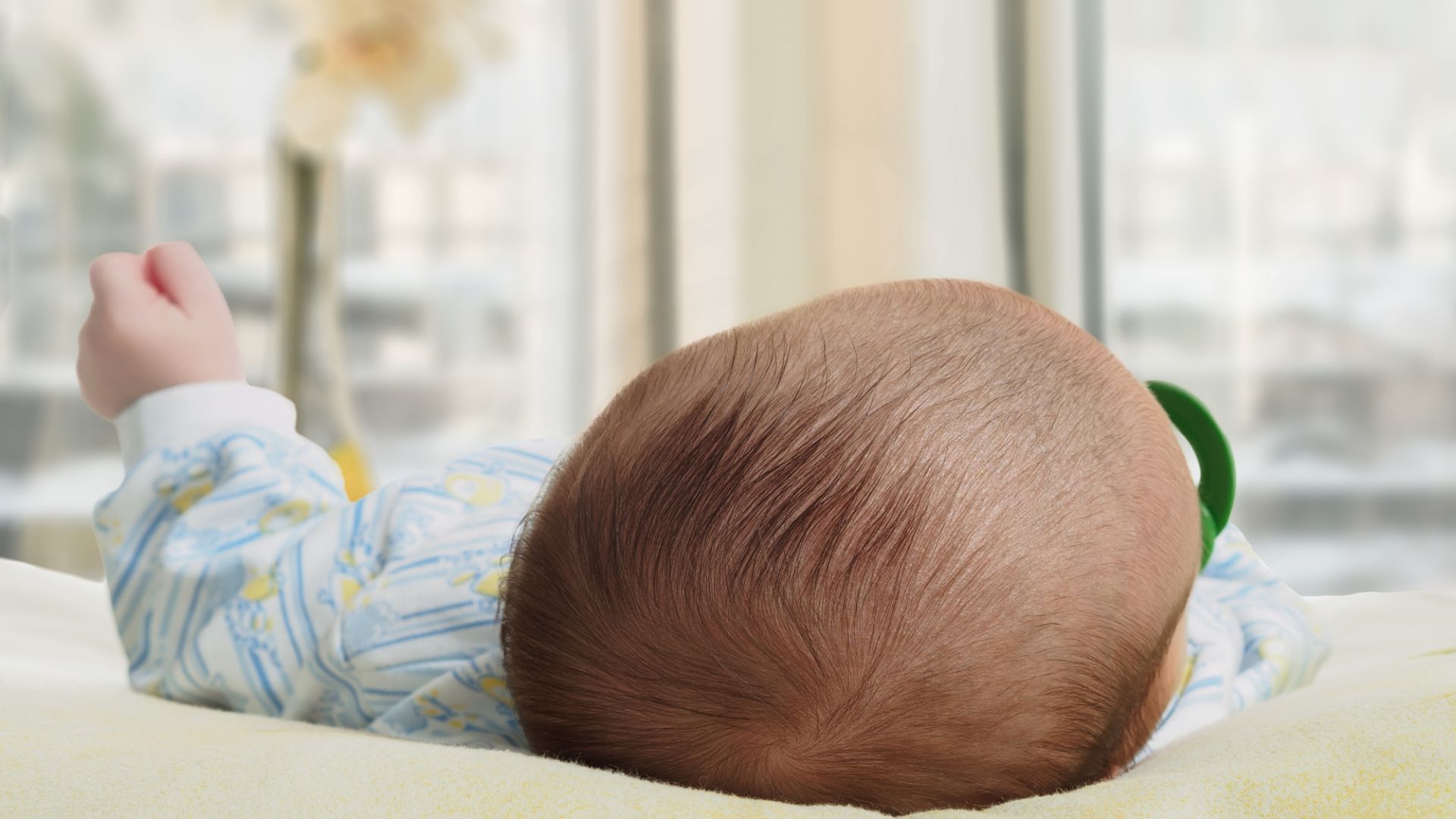
According to Cleveland Clinic Health Essentials, a baby’s soft spots, which can also be called their fontanelles, “rarely require much attention,” but if something changes in their appearance, it may worry you that something is wrong. The health organization notes that a change isn’t necessarily a signifier of a problem, but it can be a good indicator of the baby’s potential hydration status and brain status.
Dr. Johns, who has worked in both general pediatrics and emergency pediatric medicine, explains: “A baby’s soft spot [often] feels the same as it did prior to the injury,” if your baby has fallen and hit their head. She does note that if you notice that their soft spot is bulging or “especially tense and firm,” it’s wise to take your baby in for a clinical exam. “Though, it’s not usually a cause for concern, it is one data point among many that should be considered after a fall off a bed.”