You’re 4 weeks pregnant!
What does 4 weeks equal in months?
Pregnancy math can seem really confusing — especially if you’re used to the popular misunderstanding that a pregnancy is nine months long. In fact, a pregnancy is 40 weeks — and you’re not even pregnant for the first two weeks! (Incidentally, only about 30% of pregnancies reach that 40-week mark.) That’s because pregnancies are calculated from the first day of your last period since that is a definable event most people remember, but few people know the exact day and time of conception or ovulation.
However, because 40 weeks is not easily divisible by three to split into trimesters, you can see why it can get confusing real quick. Each trimester is about 13 to 14 weeks long, and at four weeks pregnant, you’re in your first trimester. Here’s a quick primer for what pregnancy weeks equal to in months during your first trimester:
- Month 1: Weeks 1 to 4
- Month 2: Weeks 5 to 8
- Month 3: Weeks 9 to 13
Your ultrasound
You would not normally be getting an ultrasound in your fourth week of pregnancy because most obstetrical exams and visits for pregnancy are scheduled at about eight to 10 weeks gestation. OB-GYN Dr. Mary Jane Minkin told Mom.com that though you can sometimes see a little bit in the uterus on a transvaginal ultrasound when your period is one week late, “it's better to get a look when you are two weeks late, when you really can start seeing something definitive.”
Your pregnant belly at 4 weeks
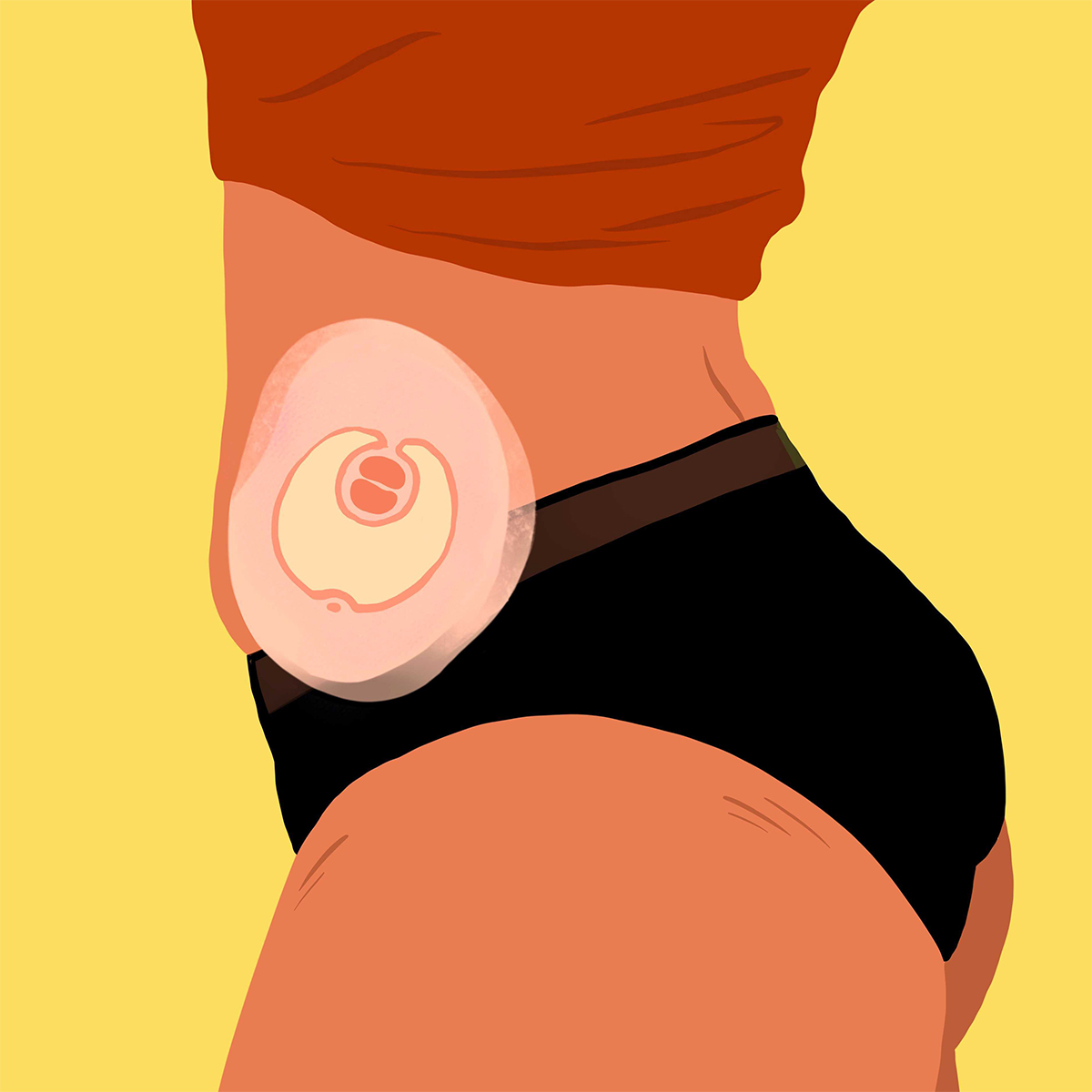
For the next six weeks, your fetus will begin developing its organs, connective tissue, and nervous system. At four weeks and the size of a chia seed (or approximately 1mm), the outer layer of your fertilized egg is implanting itself in your uterine lining. Up to 25% of the time, this burrowing into the uterine wall will cause implantation bleeding — a very slight or light pink, light red, or light brown discharge or bleeding earlier than when you would expect your normal period.
During this implantation, the outer layer of cells will create space to link with your blood supply so your body can provide oxygen and nutrients to your embryo. An amniotic sac (bag of waters) will form around the embryo — along with a yolk sac — and will later become part of your baby’s digestive tract.
The inner layer of embryonic cells will then form two layers — and then three layers — of cells that will eventually develop into specialized parts of your baby. The three layers of the embryo include:
- Endoderm (inner layer) – will become the respiratory (lungs) and digestive systems (stomach, gut, bladder), and liver
- Mesoderm (middle layer) – will become the circulatory system (heart, blood vessels) and musculoskeletal system (muscles and bones), and sex organs
- Ectoderm (outer layer) – will become the central and peripheral nervous system (brain, spinal cord, nerves), hair, eyes, teeth, skin, and nails
Pregnancy tips at 4 weeks
Make an appointment this month with your OB-GYN, midwife, or prenatal care provider to confirm your pregnancy, figure out your estimated due date (EDD), discuss your health care, and schedule out your regular prenatal care visits since oftentimes if you wait, the schedules will fill up (or you will forget).
You can also determine your EDD very easily by yourself. There are many online calculators available — or you can add 40 weeks to the first day of your last period. Keep in mind that the EDD is just that: an estimate. Babies will come when they come — and a normal range is any time between 37 to 42 weeks. Depending on whether this is your first child or not can also influence the delivery date.
Your pregnancy checklist at 4 weeks
At four weeks, if you haven’t already taken a pregnancy test, make sure you take one to confirm whether or not you’re pregnant. If your over-the-counter pregnancy test is positive, make an appointment with your OB-GYN for your first in-person appointment. As with previous weeks, your four week pregnancy checklist contains the following:
- Quit smoking, drinking alcohol, and/or taking drugs.
- Stop (or significantly cut down) consuming excessive caffeine (e.g., more than five cups of caffeine a day).
- Check with your doctor about which medications or supplements are safe to use during pregnancy.
- Consult with your doctor to see if you should get any vaccines such as for the flu, coronavirus, or whooping cough (T-dap) to protect yourself and your baby.
You might also want to avoid secondhand smoke from the people around you — even if you personally do not smoke. According to research, babies born to mothers exposed to secondhand smoke while pregnant are more likely to:
- Have lower birth weights (not be as healthy)
- Die from sudden infant death syndrome (SIDS)
- Have weaker lungs, increasing the risk for a multitude of health problems
Secondhand smoke might also increase your risk of miscarrying, having an ectopic pregnancy, as well as other complications.
What are you eating for you and your baby?
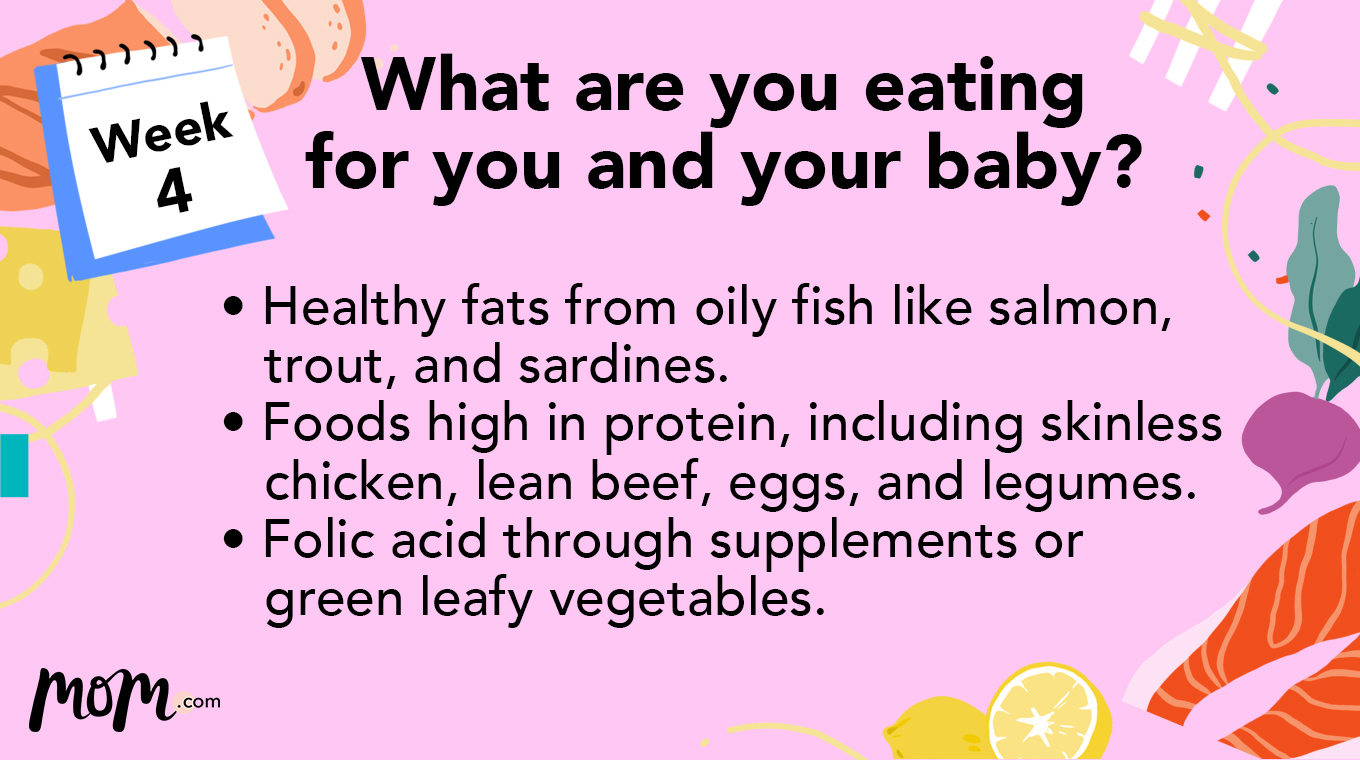
As the sole source of nutrients for your baby, ensuring a healthy diet as well as adding doctor-approved supplements and vitamins is very important to both your and your fetus’ overall health and development.
Here are some nutrients you need to add to your diet now that your baby is dependent on you for growth and development:
Healthy fats
Your baby’s brain and eye development require essential fats like DHA, an omega-3 fatty acid. You can get your DHA from supplements, prenatal vitamins, and even a vegetarian DHA from flaxseed. To get DHA from foods, try fatty, oily fish such as salmon, trout, and sardines, seaweed, dairy, grass-fed meat, or omega-3-enriched or pasture-raised eggs.
Lots of fluids
Because your body is making amniotic fluid, blood, tissue, enhancing digestion, and carrying a lot of nutrients to and waste away from your baby, you will need to up your fluid intake.
Protein
For healthy tissue growth and development, and antibody, hormone, and enzyme production in your fetus, you’ll need to eat three servings of protein a day. Some foods high in protein are skinless chicken, lean beef, eggs, fish, dairy, nuts, or legumes.
Folic acid
Folic acid, a B vitamin, is vital for the development of the neural tube, central nervous system, and brain development. You can get the recommended dosing through supplements or through foods such as green leafy vegetables, broccoli, chickpeas or kidney beans, nuts, and oranges or strawberries.