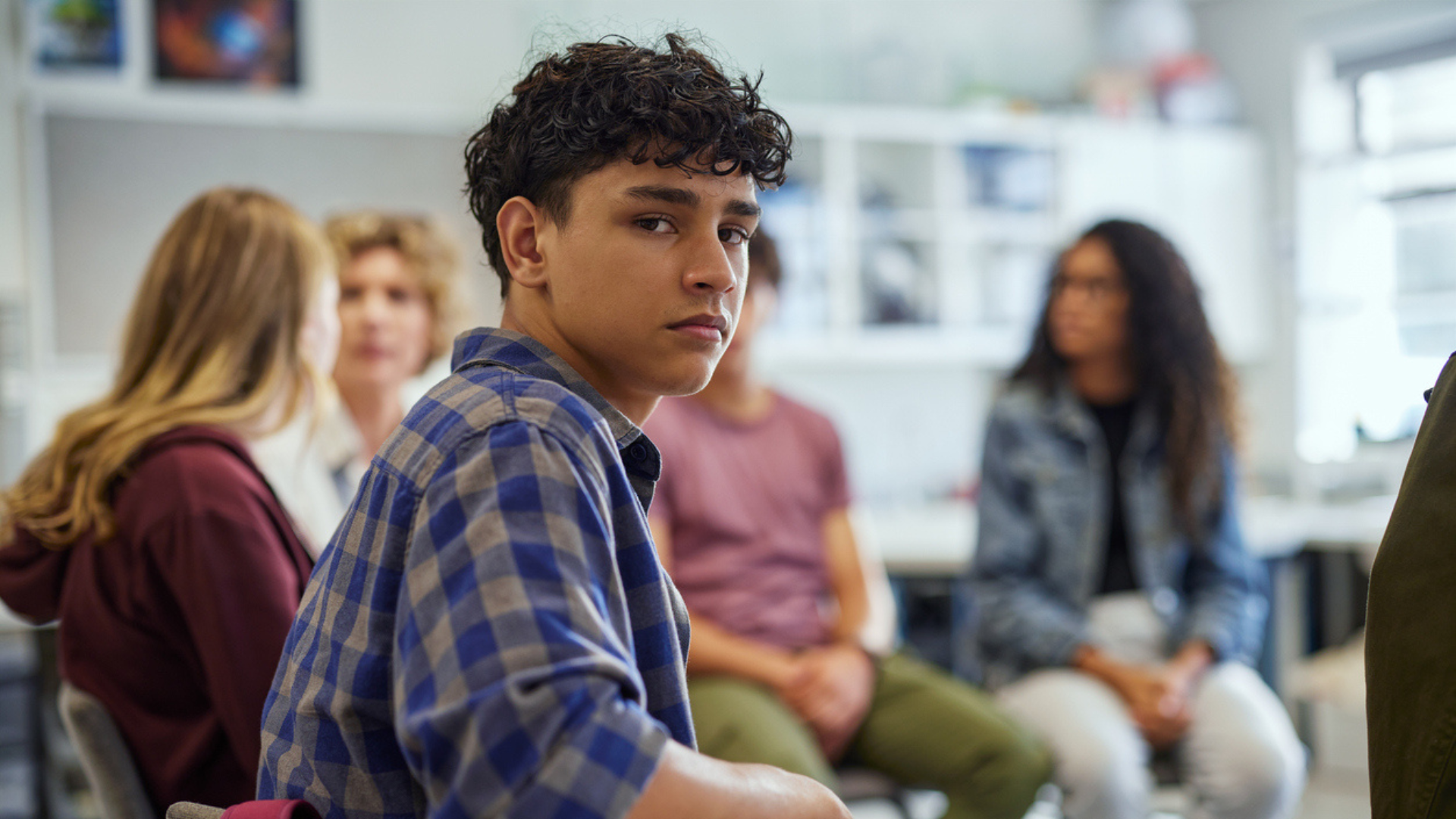
Earlier this year, my family moved into a new apartment complex. We have a 12-year-old son, and living in a place where he could find kids to hang out with was important for us. I was super excited to find out friends from his school also lived in our complex, and hoped that living closer to these kids would encourage him to deepen his friendships. Making friends has always been a challenge for him, and we hoped proximity to kids his age outside of school would help. It seems to be working, but I also wondered if my understanding of having a best friend at this age was too old school. So I asked some experts for their input.
Why does my kid have friends but no best friend? Is it normal for a tween or teen to not have a best friend?
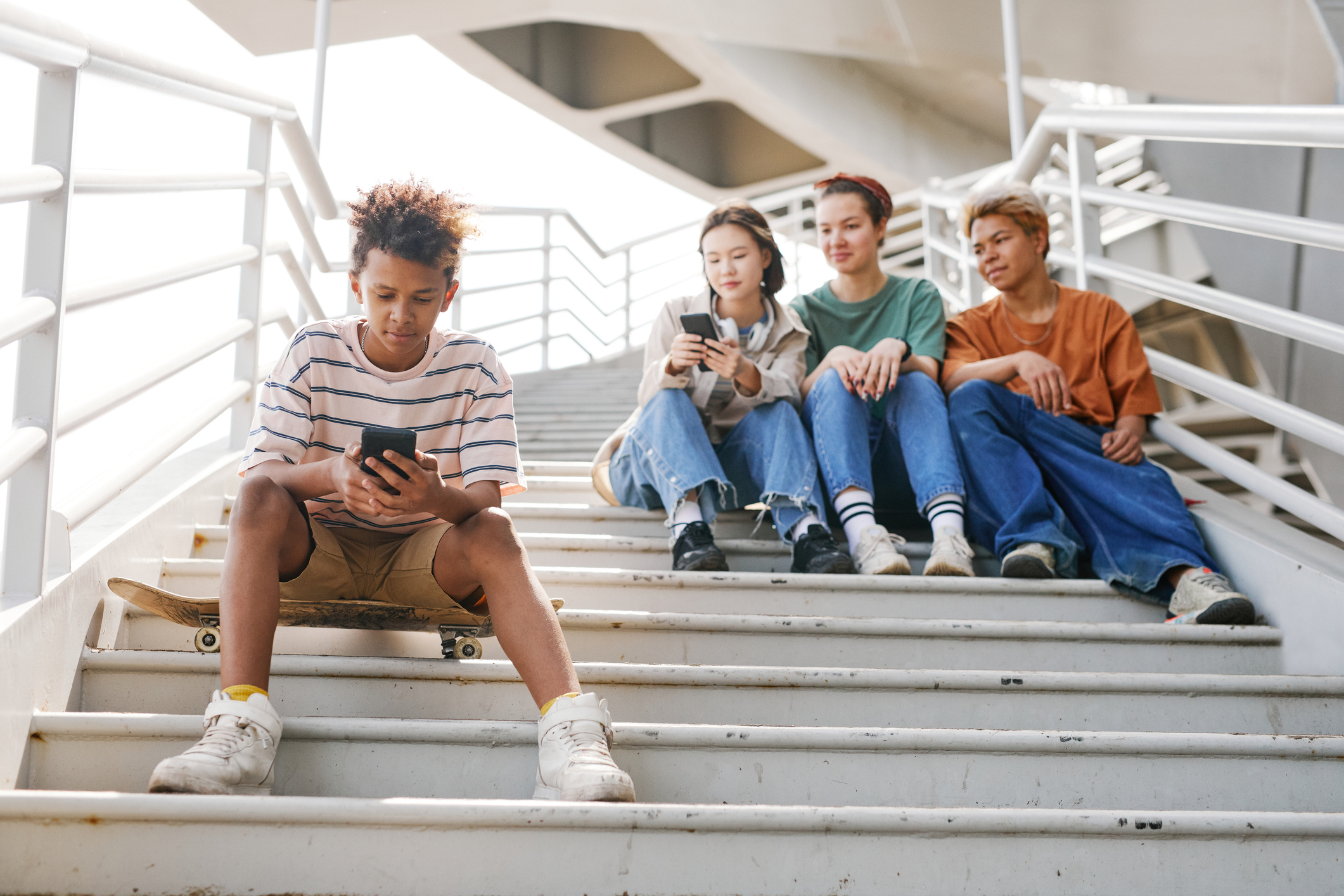
This was one of my biggest questions. At 12, I had several people I called my “best friend.” Some of them are still my friends to this day. And even though I know that my son isn’t me, I still compare our friendship experiences.
“One of the biggest misconceptions parents have is that every tween or teen should naturally have a ‘best friend,’” Dr. Marnee Firestone, Psy.D., Licensed Clinical Psychologist and CEO & Co-Founder, Parents Living Learning Community (PLLC), told me.
As she pointed out, some kids do have the kind of deep, meaningful friendships that constitute a “best” friend. But others simply haven’t gotten there yet. “What matters most is not whether a child has a best friend, but whether they feel connected, accepted, and valued in their relationships,” she said.
So in short, yes, it’s normal if your tween or teen doesn’t have a best friend or best friend group. As Dr. Firestone points out, friendships are changing “dramatically” at this stage in life. “Kids are trying to navigate the question of ‘Who am I?’ through changing interests, social hierarchies, and identity development,” she explained.
While some kids may have found that close-knit group, others may prefer one-on-one interactions, or maybe they just haven’t found their people yet.
Since I have a son, I was curious about the specific ways tween and teen boys handle friendships. Dr. Kamran Eshtehardi, a clinical psychologist in Pasadena, California, says that tween boys are entering “ into the developmental stage that is most concerned with building a sense of identity.”
“Friendships at this age can start to grow deeper than before, with foundations of shared history, interests, humor, and loyalty,” he says.
How did the COVID lockdown affect tweens and teens' ability to make friends? What about video games?
Many tweens and young teens were in their early school years when lockdown and virtual school were their normal. There’s no way that didn’t impact their ability to socialize and make friends, because school teaches them those social-emotional skills.
“There are many social skills that get developed during those years, such as taking turns, reading nonverbal cues, engaging in group play, and handling conflict, frustration, and disappointment, just to name a few,” Eshtehardi says.
According to Eshtehardi, research suggests that tweens and young teens are “younger” socially than kids only a few years older than them. “More specifically, they struggle more with managing emotions, communication, and problem solving with peers. Many also exhibit more internalizing behaviors like anxiety and withdrawal, as well as externalizing behaviors like increased aggression,” he says.
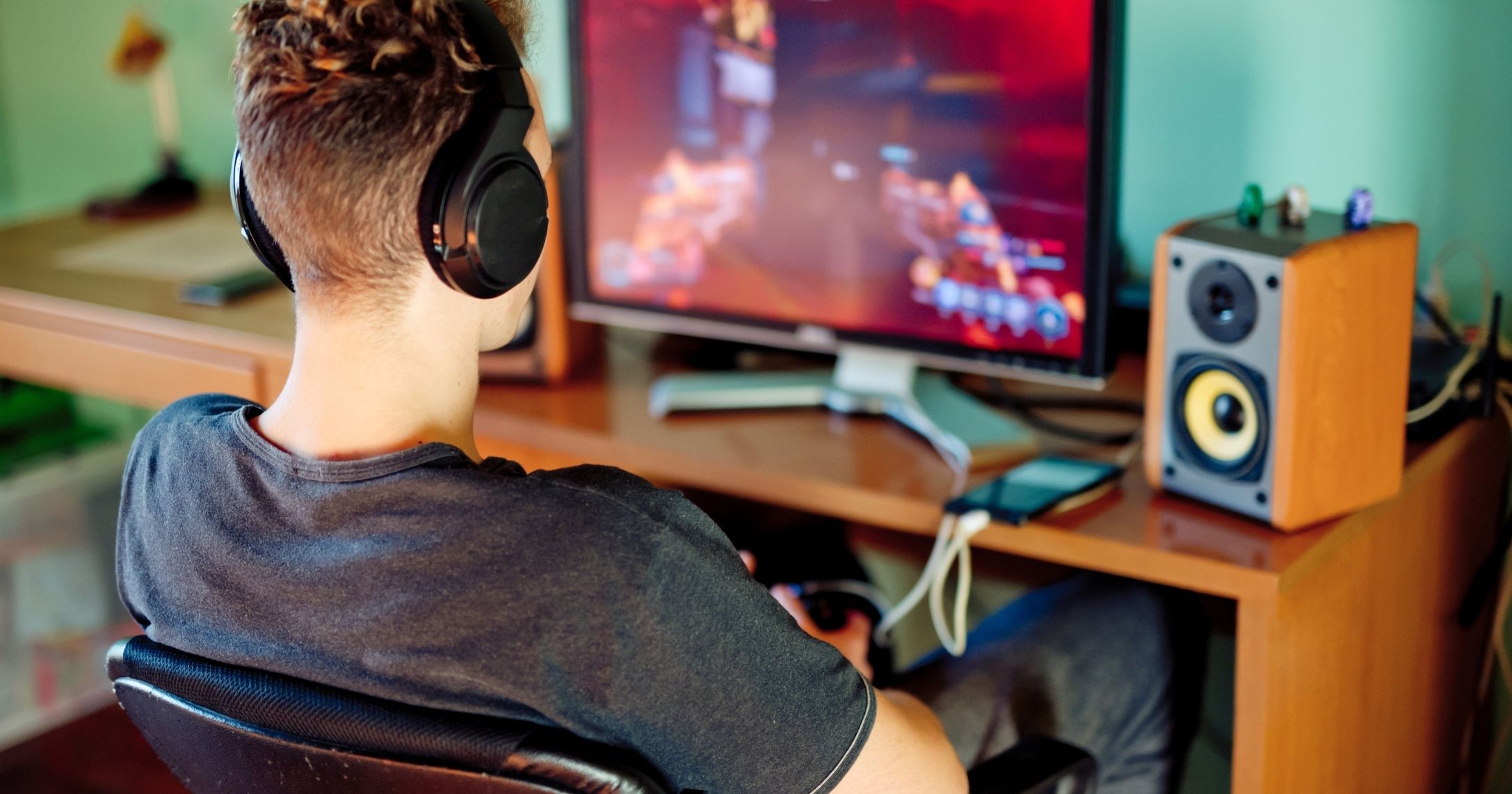
Before my son got his own phone, I noticed that he connected with new friends by asking what video games they played. If they were Roblox users, they often exchanged usernames as a way to keep in touch. He didn’t often ask friends to come over for a playdate, but they would set up times to play together on Roblox.
“Kids who play these games typically adopt a shared language that can help them connect with peers in person. Video games also act as common interests and activities that can spark new in-person friendships or bolster preexisting ones,” says Eshtehardi. He adds that these interactions can translate into in-person interactions.
Of course, there are downsides. Eshtehardi says that videogame interactions can act as an “obstacle” to real life interactions with peers. “Their comfort with socializing online can result in them neglecting real-life socialization,” he says, which creates a “cycle” that leads to them preferring online socialization over real-life socializing.
What's the difference between social exclusion and social drift?
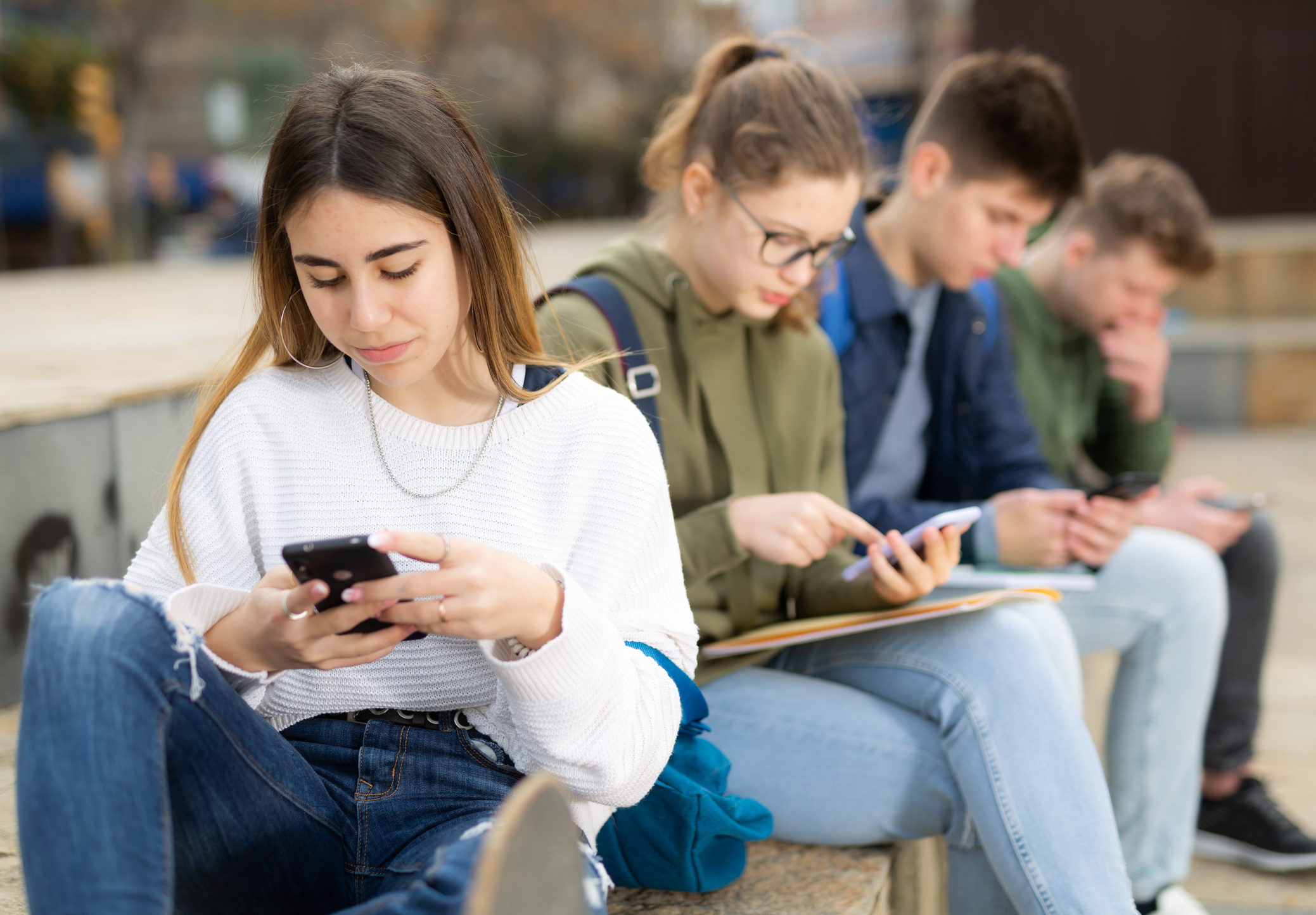
According to Dr. Bonnie Mitchell, DBH, LPCC, and Clinical Director of the Mental Health Treatment and Stabilization Center of Sacramento, it’s incredibly important to know the distinction. Because while they both end with your kid being alone, Dr. Mitchell says they are “vastly different.”
Social exclusion, she explained, is “active, intentional, and often aggressive.” Typically, it occurs when the peer group is locking your kid out of activities on purpose, like not inviting them to a party everyone else is attending, or telling them “you can’t sit with us” at lunch.
As she says, “Exclusion feels like a door being slammed in your face. It carries a high emotional charge because it sends a direct message to the child: ‘We see you, and we do not want you.’”
Social drift on the other hand, is “passive, gradual, and often unintentional.” Kids grow apart for various reasons. Maybe they are no longer involved in the same activities and don’t have things in common anymore. Mitchell says it can also be attributed to maturity levels changing at different times as well.
It doesn’t necessarily feel like an outright rejection, but kids or their parents might notice the distance.
How do I help my child who feels left out but isn't being bullied? When do I need to get involved?
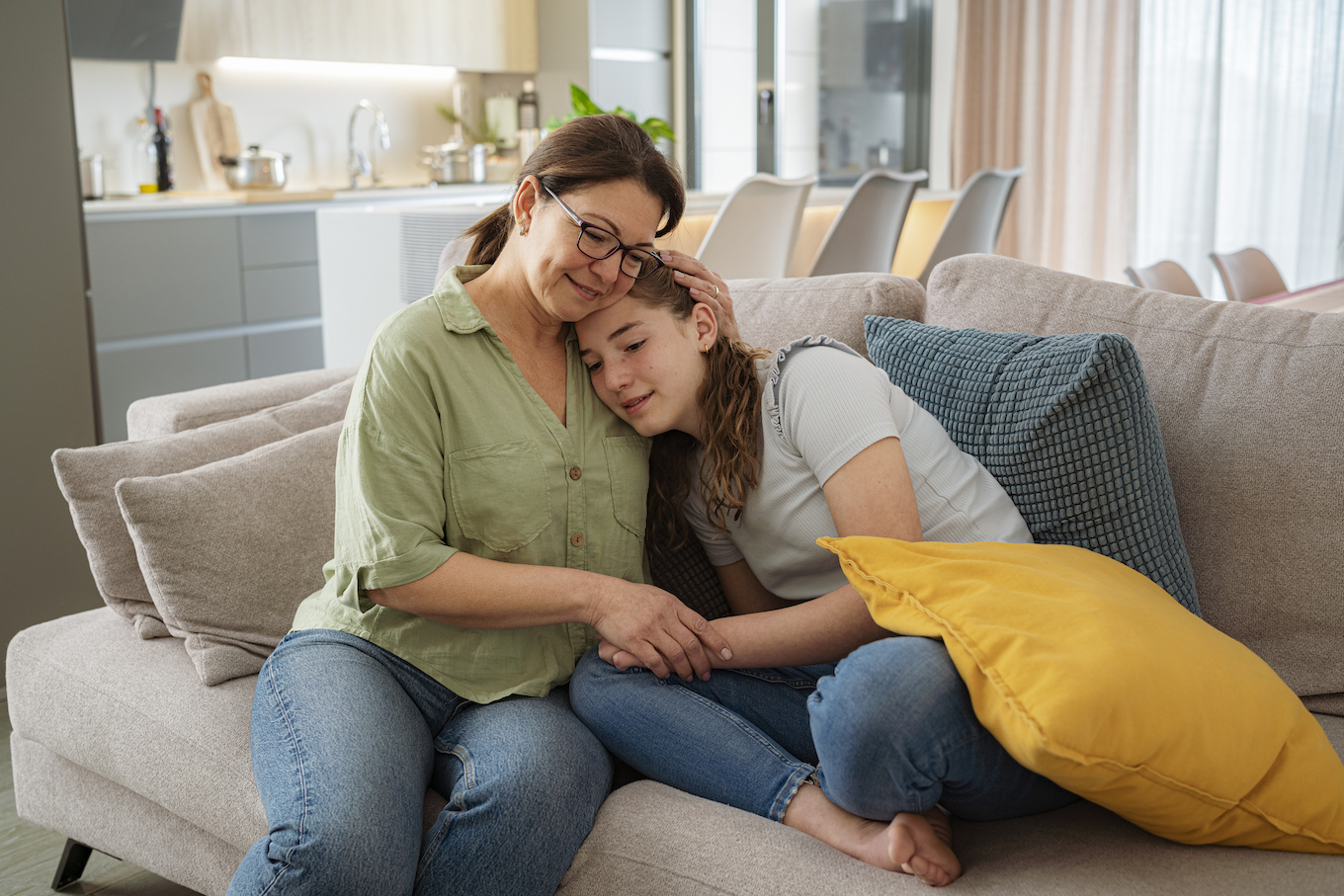
As parents, our natural instinct is to step in and try to fix everything. But we have to remember that they’re not toddlers without the capability to properly express themselves anymore. Our adolescent children need to know that we know how to give them space. Both Dr. Firestone and Dr. Mitchell advise that parents need to take a step back when that urge to help comes in.
First thing is to make sure your child is aware that you’re a safe space. You want them to know they can open up to you.
Next, you want to validate their feelings. Mitchell suggests leading with empathy (ex. “That sounds incredibly lonely, and I’m so sorry you’re dealing with this”). Firestone suggests asking if they just want to vent, or if they want you to offer feedback. If they want your input, follow Mitchell’s suggestion of asking open ended questions (ex. “How do you want to handle this?” or “What do you think a good friend looks like right now?”).
Both also recommend giving your child the tools to put their feelings into words, whether that’s creating a script for them to confront their friends, or just being able to name their feelings.
If you have the time and the means, you can use this as an opportunity to get them into an activity where they may meet kids who have similar interests, like a club or a team away from the preexisting drama.
However, Mitchell did share a list of “red flags” where intervention is necessary:
- Prolonged distress: Isolation or sadness that lasts longer than a week or two.
- Behavioral shifts: A drop in grades, loss of interest in hobbies, changes in sleep or eating habits, or school avoidance.
- Signs of bullying: If the exclusion crosses into harassment, cyberbullying, or physical threats.
- Total withdrawal: If they are pulling away from everyone, including family, not just their peers.
There is no easy fix to make sure your tween has a close friend or group of friends. All we can do is provide space for our kids to share their feelings and give them support. Eventually, they will find their people.