
When you’re a parent, you make it through the toddler years and you think you know a lot. But then you become the parent of a tween, and you realize you know nothing. Things are so much more complicated, mainly because you have to toe the fine line between giving them more autonomy and telling them what to do. It’s most apparent when it comes to friendships. As parents, we want to be the fixers, and if you don’t like your kid’s friend for any reason, you want that kid gone. But it’s not that simple, experts say. There is a way to navigate this delicate subject, and it is entirely based on the relationship you’ve built with your tween, according to the experts.
Is it normal to be worried about your tween's friendships?

Of course it is! Friendships are such a crucial part of a tween’s development. At this age, they’re starting to assert independence, and friendships are part of that. In middle school, it’s common that parents are less present, so you may not know all of the kids they’re friends with like you did when they were in elementary school.
“As a parent, the key to this stage is to stay connected, keep communication open, and remember that your relationship with your child remains one of their strongest protective factors,” Dr. Marnee Firestone, Psy.D., Licensed Clinical Psychologist and CEO & Co-Founder, Parents Living Learning Community (PLLC) says.
“As a parent or caring adult, our natural instinct is to protect,” Estepha Francisque, LCSW, psychotherapist and founder of Forward Ethos says. “We fully understand the power that a tween’s friends can have over them, and as they reach this age, it is one of the biggest threats that can open the door to major issues or life altering setbacks. The impulse to be worried is a natural protective mechanism that should be acknowledged and acted upon, but doing it strategically will ensure that it works!”
What do I do if I don't like my kid's friend?

The first thing you need to do is take a beat. Yes, there is something there, but you need to pause before charging forward. Firestone says to “ask yourself what specifically concerns you” about the friendship.
Do you believe the friendship is unhealthy, or is this kid someone you wouldn’t have expected your child to befriend?
Francisque says to “never ignore your instincts,” and trust your gut, but again, there are questions you must ask yourself about why you feel this way.
Is it that this kid triggers your own negative experiences or trauma? Could they be a reflection of your own relationship dynamics? “There may be a genuine values clash where they engage with your child in a way that is toxic, unhelpful, or possibly even dangerous,” Francisque says.
At the same time, Firestone says: “Parents should focus on your child’s behaviors and their impact rather than judging the friend.”
How do I talk to my tween about a bad influence without pushing them away?
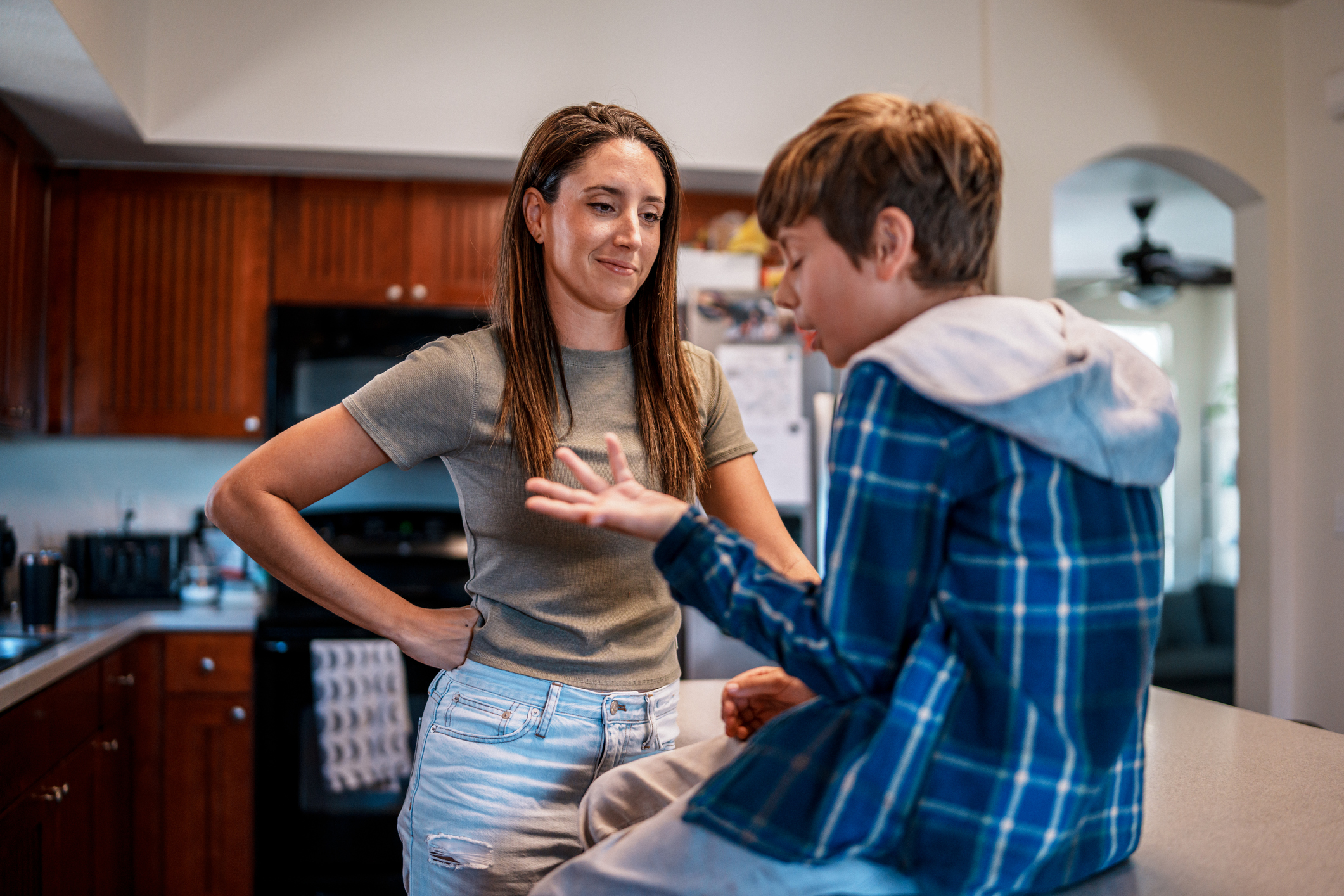
Firestone acknowledges how “hard” it may be to keep your feelings to yourself, but she advises that parents should “avoid criticizing the friend directly.” She believes you should ask them, “How do you feel when you’re with them?”
“Helping tweens reflect on how a friendship affects them is often more effective than telling them who to avoid,” she says.
Francisque believes that parents can be more “influential” with their children if they have a strong relationship, and believes that parents should “always” lead with the strength of that relationship.
“How much interest do you show in their world? Do you respond to their bids for connection, like sharing their interests even if they may seem weird to you?” If you have a strong relationship with your child, you can “gently share concerns with them.” It is “more likely they will listen” to your concerns, Francisque says.
And if you have a strong relationship, there is also a better chance of your tween coming to you if they have concerns or need advice about the friend.
Should I tell my daughter I'm worried about her friend?

Both Firestone and Francisque believe that you should absolutely talk to your daughter about your concerns. But you have to approach the situation with care so you do not make things worse and your daughter will actually be receptive to what it is you’re trying to share.
Firestone wants parents to “lead with observation, definitely not an accusation.” If you say, “I’ve noticed you’ve seemed more stressed lately,” she says it “invites conversation, while attacking the friend often shuts it down.”
You need a “delicate touch,” which “is extremely important, especially as kids get older and assert their own autonomy increasingly,” Francisque says. He points out that this behavior is “extremely developmentally normal and appropriate!”
“Try to talk to her about healthy friendship dynamics in general,” he says. “Dr. Shefali Tsabary talks about the ‘marble jar friend,’ one who doesn’t just take from you, but also makes deposits back into the relationship. Your daughter will be less likely to get defensive hearing about general principles and concepts rather than a direct comment on her friend.”
How do you warn a tween about the company they keep?

It may feel obvious, but you have to teach your kids what a good, healthy friendship looks like. Maybe you’re using your own close friendships as an example. My own child has asked me questions about friendships I had at his age, and I try to be as honest as possible. I explain that friendships aren’t always easy, but there’s a difference between a rough patch and someone who drains you or makes being their friend hard.
“When tweens understand trust, respect, and the natural give-and-take of healthy friendships, they’re better able to recognize unhealthy relationships,” Firestone says.
According to Francisque, the relationship you have with your child has a direct impact on how they will respond if you don’t like your kid’s friend. “Tweens respond very poorly to direct comments and perceived critiques, unless they feel truly connected with you and trust you as a parent,” he says.
If you have a strong connection with your child and continue to actively work on your connection, it will have a positive impact.
“It is massively important you do not dilute the power of your voice,” Francisque warns. “Pick your battles. Hold the less important comments about small things, so that they will not tune you out for the very important matters like their friend group.”